


TEHRAN/WASHINGTON (Agencies) –
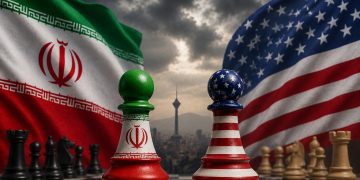
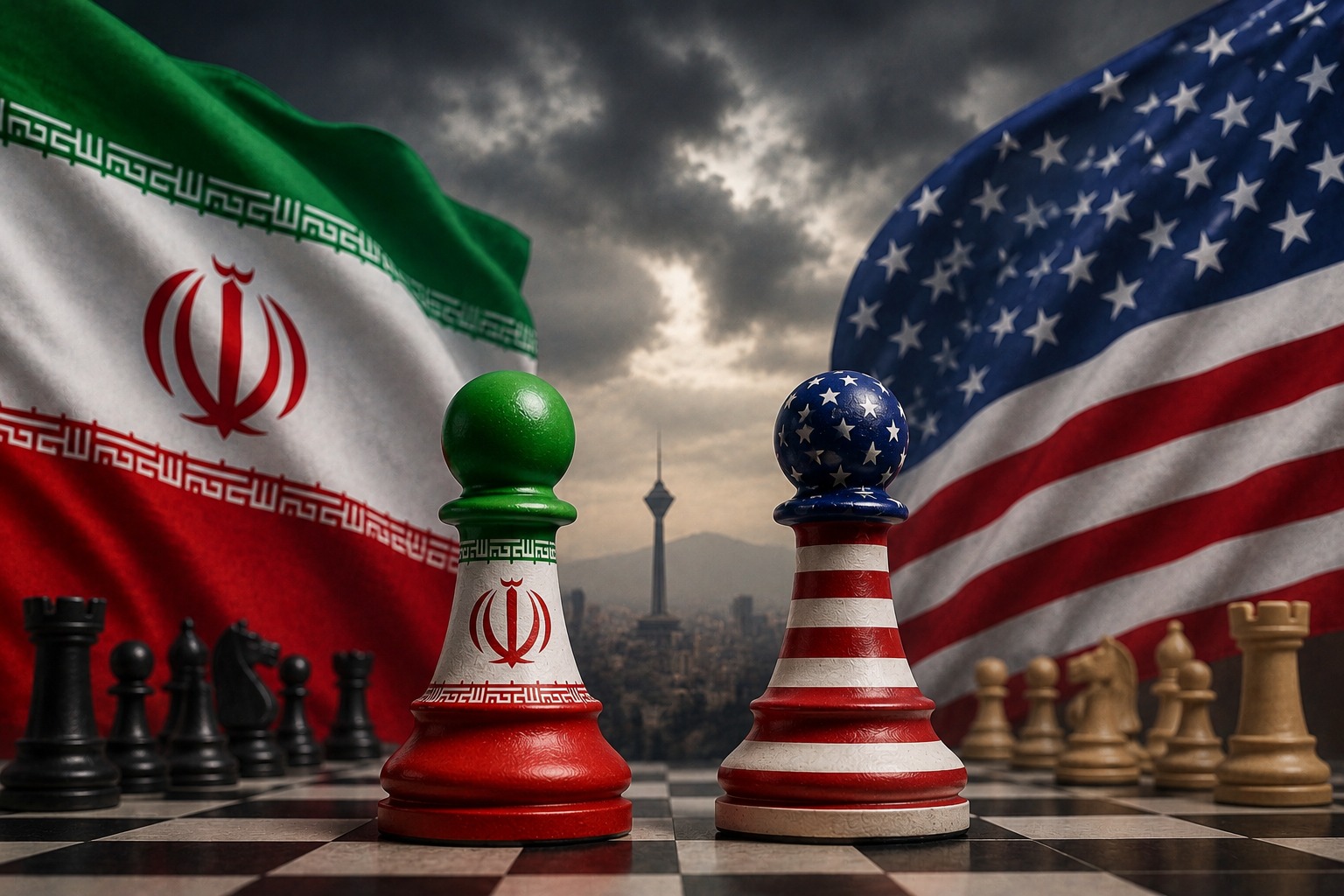
Iran’s leadership appears to be banking on outlasting US President Donald Trump in ongoing peace efforts, even as a fragile ceasefire remains under strain, analysts say.
Tensions persist months after a US-Israeli military campaign against Iran, with Washington expressing frustration over Tehran’s response to a proposed settlement. The truce, officials warn, could collapse if negotiations fail.
Despite internal challenges following the killing of longtime leader Ayatollah Ali Khamenei, Iran’s leadership is described as ideologically driven and committed to preserving the Islamic Republic.
Experts believe Tehran is using its control over the Strait of Hormuz as leverage, given its importance for global oil shipments. Restricting traffic through the route has added pressure on international energy markets.
Analysts say Iran hopes rising fuel prices and domestic political pressure ahead of US midterm elections will push Washington toward compromise.
However, experts caution that this strategy carries risks. Iran faces economic strain, public dissatisfaction and infrastructure damage from recent conflict, raising concerns about its ability to sustain prolonged tensions.
Meanwhile, figures such as Mohammad Bagher Ghalibaf have taken a leading role in negotiations, insisting Tehran’s proposals remain the only viable path forward.
Observers note that while neither side appears eager for renewed war, miscalculations could lead to escalation. Some analysts argue Washington may underestimate Iran’s ideological stance, while others warn Tehran could be overplaying its hand.
The situation reflects a high-stakes diplomatic standoff where both sides are testing each other’s limits without fully committing to peace or conflict.
Uncertainty continues to affect global oil markets and regional stability, with risks of sudden escalation.
Negotiations are likely to continue, but the possibility of renewed confrontation remains if either side hardens its position.