


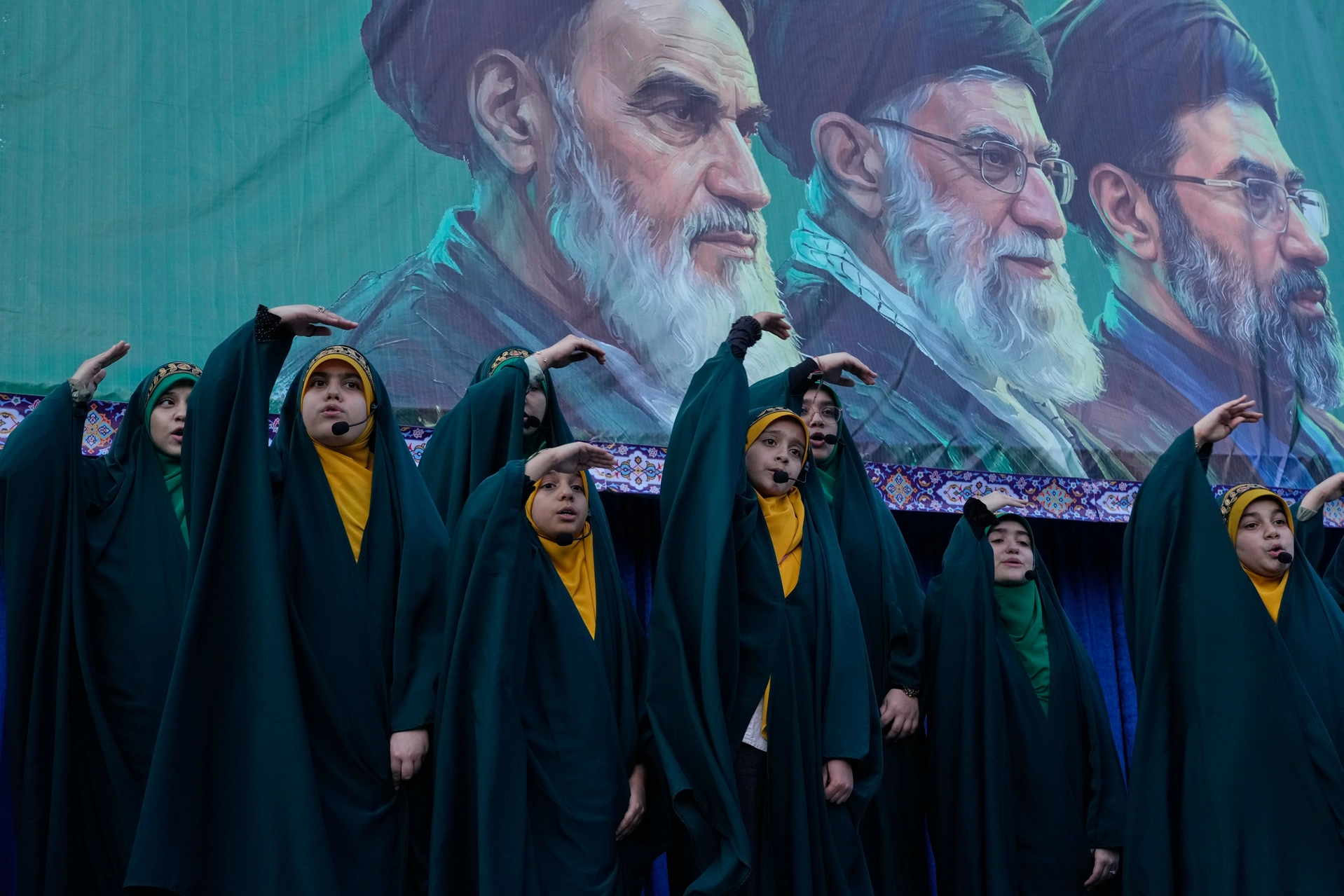
DUBAI, United Arab Emirates (Web Desk) — Iran’s Supreme Leader Mojtaba Khamenei has issued a firm and defiant message, declaring that the country will continue to safeguard its nuclear and missile capabilities despite mounting international pressure and an increasingly fragile regional ceasefire.
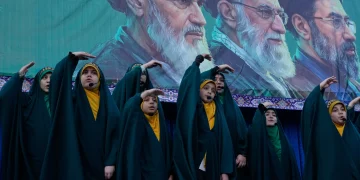
In a statement delivered via state television, Khamenei emphasized that Iran’s strategic and technological advancements are integral to its national identity and sovereignty. He suggested that the region is entering a “new chapter,” reflecting a shift in geopolitical dynamics following weeks of heightened tensions and conflict. Notably, the Iranian leader has not appeared publicly since assuming office after the killing of his predecessor during the early days of the war, adding an element of uncertainty to Iran’s internal political climate.
Economic strain and global oil disruption
Iran’s economy is currently under severe strain, largely as a result of a U.S.-led naval blockade aimed at curbing its oil exports. The blockade has significantly limited Tehran’s ability to sell crude oil, a crucial source of national revenue. This pressure has reverberated far beyond Iran’s borders, contributing to instability in global energy markets.
A key factor in this disruption is Iran’s continued influence over the Strait of Hormuz, one of the world’s most critical oil transit routes. Approximately one-fifth of global crude oil passes through this narrow waterway, making any disruption there a matter of international concern. As tensions have escalated, oil prices have surged, with Brent crude climbing to around $126 per barrel, reflecting market fears over supply constraints.
The ripple effects of rising oil prices are being felt globally, placing additional pressure on energy-importing nations and complicating economic recovery efforts in various regions.
U.S. response and maritime strategy
In response to the evolving situation, Donald Trump has outlined a strategy aimed at restoring stability to international shipping lanes while maintaining pressure on Iran. The proposed plan involves continuing the blockade on Iranian ports while working closely with allied nations to ensure that global energy supplies can move freely and securely.
Central to this effort is a coordinated initiative often described as a “maritime freedom construct,” which seeks to uphold international navigation rights and deter actions that could impede commercial shipping. U.S. officials have framed the initiative as a defensive measure designed to protect the global economy rather than escalate conflict.
Diplomatic cables indicate that Washington has been actively engaging partners worldwide to build support for this approach, highlighting what it describes as a shared interest in maintaining open and secure sea lanes.
Ceasefire under pressure
Despite efforts to stabilize the region, the ceasefire remains tenuous. The ongoing blockade has reportedly forced dozens of commercial vessels to turn back, creating logistical bottlenecks and increasing uncertainty in global trade. Analysts warn that prolonged disruptions could lead to further economic consequences, particularly if tensions intensify around key maritime routes.
Iran, for its part, has signaled that it intends to maintain a strong presence in the Strait of Hormuz, asserting its right to manage security in the area. However, this position has drawn criticism from several countries, which view the waterway as an আন্তর্জাতিক passage that should remain open and free from unilateral control.
Diplomatic channels and mediation efforts
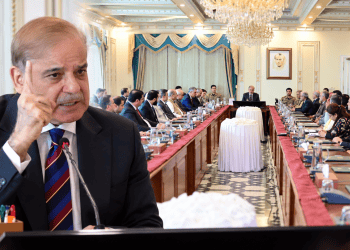
Amid the rising tensions, Pakistan has stepped forward as a facilitator of indirect dialogue between Washington and Tehran. Officials in Islamabad have reiterated their commitment to easing tensions and have encouraged both sides to engage in more direct communication.
According to diplomatic sources, Pakistan believes that real-time discussions—potentially even at the leadership level—could help bridge gaps in negotiations and reduce the risk of further escalation. While no formal breakthrough has been announced, the continued involvement of neutral intermediaries is seen as a positive sign by observers.
Internal and regional developments
Within Iran, authorities have intensified internal security measures following recent unrest, reflecting concerns about domestic stability amid external pressures. Human rights organizations have expressed alarm over reports of increased crackdowns and limited transparency in judicial proceedings.
Elsewhere in the region, sporadic clashes continue despite ceasefire agreements, particularly in areas where armed groups remain active. These developments underscore the complexity of achieving lasting peace in a region marked by overlapping conflicts and competing interests.
A critical moment for global stability
The current situation represents a pivotal moment not only for the Middle East but for the broader international community. The intersection of military tensions, economic pressures, and diplomatic efforts has created a highly volatile environment with far-reaching implications.
As Iran maintains its stance on preserving its strategic capabilities and the United States pursues a combination of pressure and diplomacy, the path forward remains uncertain. Much will depend on the success of ongoing negotiations and the willingness of all parties to seek de-escalation.