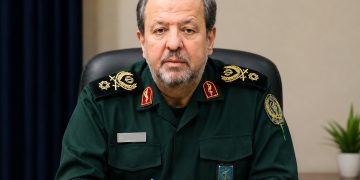



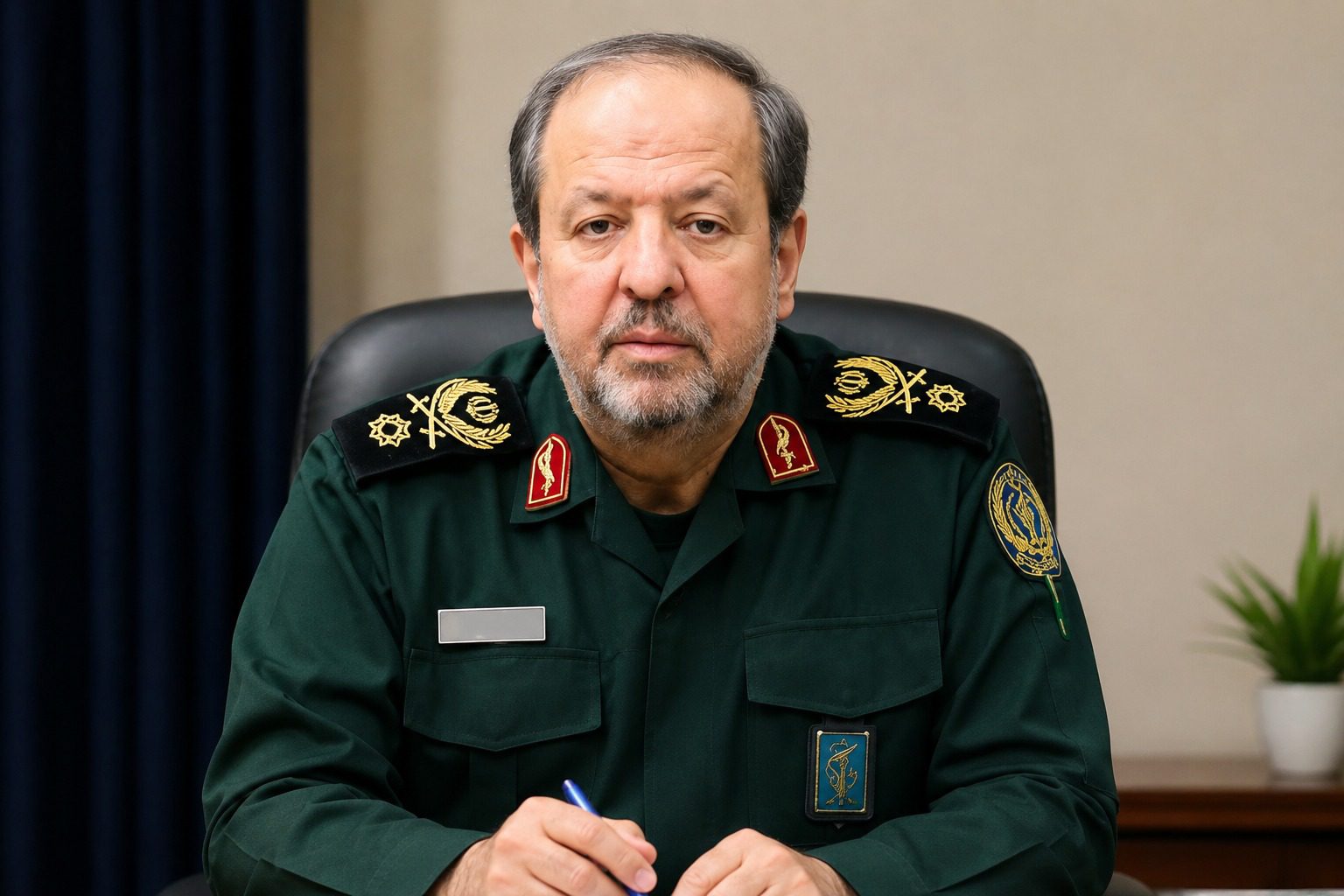
TEHRAN (Web Desk) – Iran’s Deputy Defence Minister Sardar Ibn al-Reza has claimed that the United States and Israel gained a comprehensive understanding of Iran’s military capabilities during the recent Middle East war, but warned that the weapons and systems displayed during the conflict represented only a limited part of Tehran’s defence strength.
According to Iran’s state-linked Fars news agency, Ibn al-Reza said the battlefield provided an opportunity to assess and test newly developed military technologies, suggesting that Iran used the conflict as a platform to evaluate the effectiveness of its advanced defence systems.
“What you have seen and heard is only a fraction of our power. What you have not yet seen is much greater,” the deputy defence minister was quoted as saying.
His remarks come amid continued regional tensions involving Iran, Israel and the United States, with military capabilities, missile systems and defence technologies remaining at the centre of strategic competition in the Middle East.
Iran highlights military advancements
Ibn al-Reza’s comments reflect Tehran’s long-standing position that it has significantly expanded its indigenous defence capabilities despite international sanctions and restrictions on military imports.
Iran has repeatedly claimed that it has developed advanced missile technology, unmanned aerial vehicles (UAVs), air defence systems and electronic warfare capabilities through domestic research and development.
The deputy defence minister said that the conflict allowed Iran to assess the performance of its systems under real combat conditions, describing the battlefield as “a good place to test the new systems”.
Military analysts say modern conflicts often provide countries with opportunities to evaluate weapons effectiveness, identify weaknesses and improve future strategies. Real-world combat experience can influence the development of missile accuracy, drone operations, intelligence gathering and electronic warfare.
Message directed at regional rivals
The statement appears to be aimed at Iran’s regional adversaries, particularly Israel and the United States, which have closely monitored Tehran’s military programmes for years.
Israel has repeatedly expressed concerns over Iran’s missile capabilities and regional influence, while Washington has maintained pressure on Tehran through sanctions and diplomatic measures.
Iran, meanwhile, argues that its defence programme is designed to protect national sovereignty and deter possible attacks.
The latest remarks suggest that Tehran wants to project confidence and demonstrate that its military capabilities extend beyond what has been publicly revealed.
Regional security concerns
The Middle East has witnessed growing security challenges in recent years, with tensions involving Iran and Israel frequently raising concerns about a wider regional confrontation.
Military exchanges, drone operations, missile deployments and cyber capabilities have transformed the nature of modern warfare in the region.
Experts believe that statements from senior Iranian officials are also part of a broader strategic communication effort designed to influence both domestic and international audiences.
By highlighting undisclosed military strength, Tehran aims to strengthen deterrence and discourage potential military action against its interests.
Future outlook
Iran’s continued focus on military development indicates that defence technology will remain a key element of its national strategy.
The country is expected to continue investing in missile programmes, drone technology and other defence systems while facing ongoing pressure from Western countries.
At the same time, Iran’s rivals are likely to continue monitoring its military activities and adapting their own defence strategies.
The latest comments by Ibn al-Reza underline the continuing arms competition in the Middle East, where military capability, technological advancement and strategic deterrence remain central factors shaping regional security.
Pakistan angle
Pakistan has traditionally supported regional stability and called for peaceful resolution of disputes in the Middle East. Any escalation between Iran and its rivals could have economic and security implications for neighbouring countries, including Pakistan.
Changes in regional tensions may affect energy markets, trade routes and diplomatic relations, making developments involving Iran closely watched in Islamabad and other regional capitals.