


By Abdul Qayyum
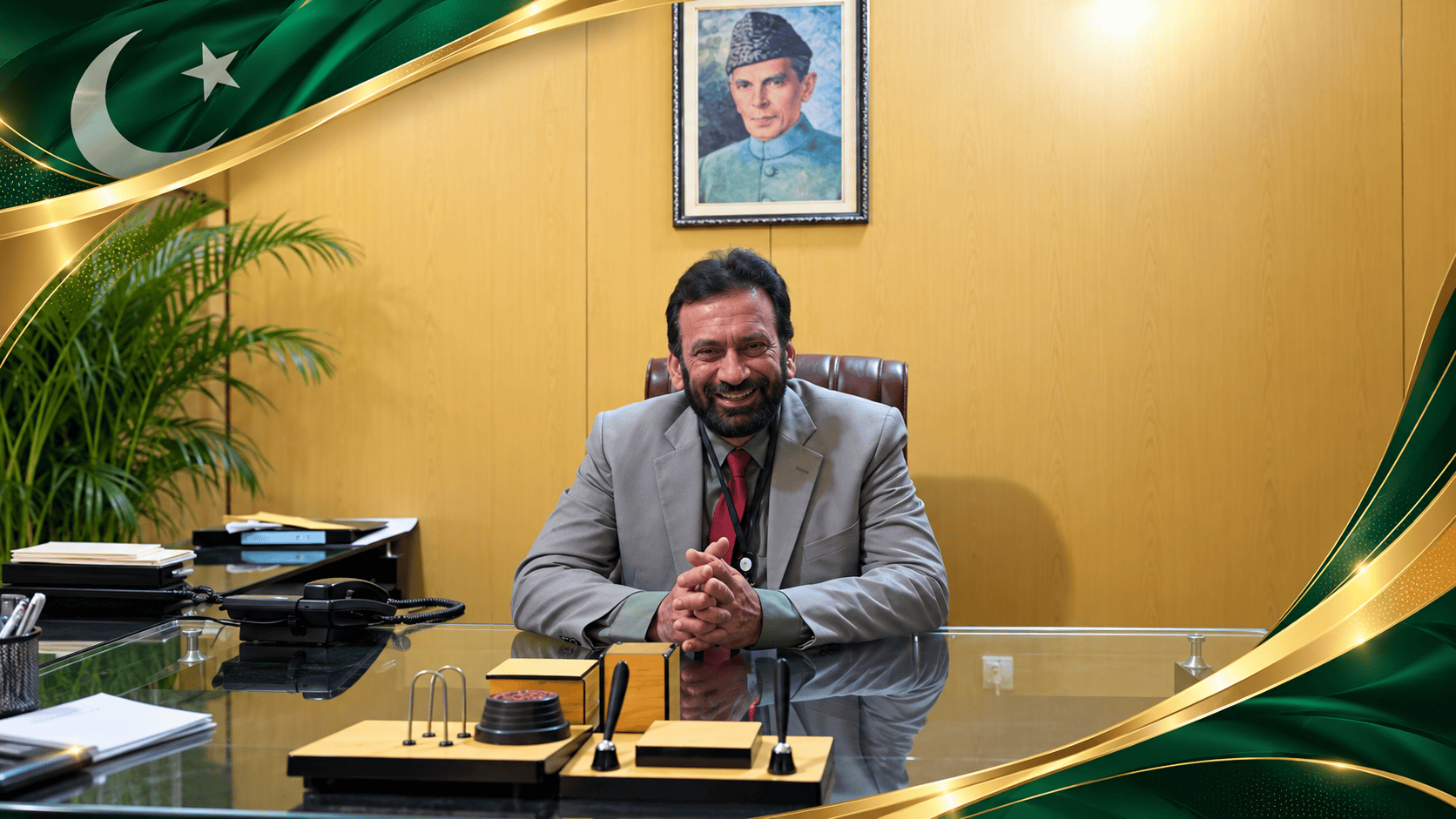
Pakistan’s kabaddi legacy cannot be judged by a single tournament in which the national team failed to win a medal, Pakistan Kabaddi Federation Vice President Muhammad Ramadan Ghuman has said, stressing that sustained training, adequate funding, merit-based selection and modern sports science are essential to restoring the country’s international standing.
In an interview, Ghuman said Pakistan had traditionally won medals in international kabaddi competitions, but the failure to secure a medal at the Asian Games should serve as an opportunity to identify shortcomings and introduce meaningful reforms.
“Pakistan’s kabaddi has not ended simply because we failed to win a medal once. We have always won medals, but the circumstances and demands of international competition have changed,” he said.
Short training camps undermine performance
Explaining the reasons behind Pakistan’s disappointing performance at the Asian Games, Ghuman pointed to the short duration of training camps organised before major international tournaments.
He said the national team was often expected to deliver medals after training together for only a few weeks, despite facing opponents who benefited from long-term preparation, regular international exposure and modern training facilities.
According to Ghuman, the national team should remain in training throughout the year to maintain fitness, improve coordination and develop tactical understanding among players.
However, he acknowledged that the federation lacked the financial resources required to organise extended training camps.
“Pakistan has won medals despite financial constraints, but we can no longer expect the same results through short training camps, limited funding and participation in international events without adequate preparation,” he said.
He added that the defeat should prompt the federation and relevant authorities to assess the team’s weaknesses and develop a comprehensive strategy for future competitions.
Management, coaches and players share responsibility
Ghuman said responsibility for the failure to win a medal could not be placed entirely on financial constraints or inadequate preparation.
He argued that management, coaching staff and players all had a role in the team’s performance and must collectively examine what went wrong.
According to him, success in international sports ultimately depends on merit and hard work, while quality coaching, sufficient funding and professional management provide the support necessary to achieve results.
“Merit and hard work are the fundamental principles of winning. Good coaches and adequate financial resources are also essential, but every individual associated with the team must fulfil their responsibility,” he said.
He emphasised that selection decisions should be based on players’ abilities, performance and fitness rather than considerations unrelated to sporting merit.
Ghuman said a transparent selection process would help build a competitive national team capable of challenging leading international opponents.
Pakistan must embrace modern sports science
Highlighting the changing nature of international competition, Ghuman said sports had evolved considerably, with scientific training, physical conditioning, injury management and professional coaching becoming increasingly important.
He regretted that Pakistan continued to rely on traditional methods while other countries had invested in modern sports science and specialised facilities.
He said international teams increasingly used physiotherapists and other qualified professionals to treat injured players and ensure their safe return to competition.
According to Ghuman, Pakistan needed to move beyond outdated approaches and adopt a scientific training system that addressed players’ individual physical requirements, injury prevention and recovery.
He also stressed the importance of providing coaches with the resources and facilities required to prepare athletes for the demands of modern kabaddi.
Iran offers lessons for Pakistan
Citing Iran as an example, Ghuman said the country’s rise in international kabaddi demonstrated what sustained investment, long-term coaching and systematic player development could achieve.
He recalled that Pakistan Kabaddi Federation Secretary Rana Muhammad Sarwar had played a role in developing Iranian kabaddi.
According to Ghuman, Iran’s progress was driven by extended training programmes, disciplined preparation and a systematic approach to player selection.
He said Iran’s players benefited from regular training and competitive opportunities, helping the country establish itself among the leading teams in international kabaddi.
Ghuman also highlighted Iran’s infrastructure, claiming that indoor kabaddi gymnasiums were available in districts across the country.
He said Pakistan should study this model and invest in grassroots facilities, particularly to identify and develop talented players outside major urban centres.
“Other countries have moved forward by adopting modern training methods and investing in their players. Pakistan must also combine merit with hard work if it wants to regain its position in international kabaddi,” he said.
Women’s team won bronze despite financial constraints
Ghuman also highlighted the achievements of Pakistan’s women’s kabaddi team, which won a bronze medal at the World Championship despite limited preparation and financial difficulties.
He said he had served as the team’s manager and personally paid for the players’ tickets and other expenses to ensure Pakistan could participate in the competition.
According to him, the federation did not have sufficient funds, while government assistance was not forthcoming at the time.
Ghuman said he decided to bear the expenses himself because withdrawing from the championship would have damaged Pakistan’s reputation in international sports.
“Had I not paid these expenses, Pakistan might not have been able to participate. I did it for the honour of the country, and I thank Allah that our women won a bronze medal despite having only a few days of training,” he said.
He maintained that the women’s team had been developed under his initiative and subsequently undertook three foreign tours, providing players with valuable international exposure.
However, he regretted that no further women’s team had been formed after those activities.
He said the absence of sustained opportunities for female players represented a missed opportunity to develop women’s kabaddi in Pakistan.
Funding and long-term planning are essential
Ghuman argued that the achievements of Pakistan’s kabaddi teams should be assessed in the context of the financial resources available to them.
He said winning medals despite limited funding was a significant accomplishment, but the country could not depend indefinitely on individual sacrifices and the determination of players.
He called for a coordinated approach involving the federation, government and relevant sports authorities to ensure regular training, improved facilities, professional coaching and participation in international competitions.
He added that young players needed consistent opportunities to demonstrate their abilities, while national teams required sufficient preparation time before major tournaments.
Ghuman said Pakistan still had the talent and potential to compete against the world’s leading kabaddi nations, but that potential could only be realised through structural improvements.
He stressed that the Asian Games setback should become a turning point rather than a reason for disappointment.
For Pakistan to reclaim its place among the leading kabaddi nations, he said, the priorities must be clear: merit-based selection, hard work, modern sports science, long-term training and adequate financial support.