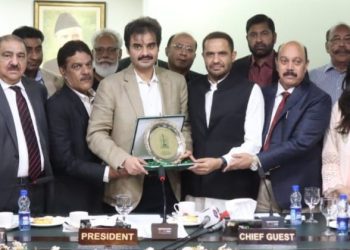




By Commerce Reporter
LAHORE: High electricity prices and what he described as excessive taxation are putting Lahore’s industrial sector under mounting pressure, with the government urged to take immediate and practical measures to protect businesses and prevent further damage to industrial activity.
Read also: Rameez Dewan thanks business community for support and cooperation in LCCI polls
Ramiz Dewan, president of the Daroghawala Industrial Owners Association, warned that rising operating costs were making it increasingly difficult for industrialists to sustain their businesses. He called for major policy decisions to address the challenges facing manufacturers and restore confidence among the business community.
“Lahore’s business activity is at risk,” Diwan said, highlighting expensive electricity and what he termed harsh taxation as major obstacles to industrial growth.
He stressed that the government needed to move beyond assurances and introduce concrete measures to ease the burden on businesses. Without timely intervention, he warned, industrial enterprises could face further difficulties.
High energy costs squeeze manufacturers
Electricity prices remain a key concern for industrial operators because energy is an essential input in manufacturing. Higher power costs can increase production expenses, reduce profit margins and make locally manufactured goods more expensive.
For businesses competing in domestic and international markets, rising input costs can weaken their ability to offer competitive prices. Manufacturers may also find it difficult to absorb additional expenses without passing some of the burden on to customers.
Diwan’s remarks reflect concerns within the industrial community about the combined impact of energy costs and taxation on business sustainability.
Industrial units also have to manage other operating expenses, including raw materials, transportation, wages and financing. When several costs rise simultaneously, businesses can face difficult decisions about production levels, investment and expansion.
Taxation and business confidence
Diwan also identified taxation as a major challenge for industrialists, arguing that the existing burden required urgent government attention.
Businesses need predictable tax policies and a system that allows them to plan investment, manage cash flows and expand operations. Uncertainty over costs and obligations can complicate long-term planning, particularly for small and medium-sized industrial enterprises.
A more supportive business environment, according to the concerns raised by the association’s president, would require practical steps to reduce pressure on manufacturers while maintaining a sustainable fiscal framework.
Any policy response would need to balance government revenue requirements with the need to keep industrial production viable and encourage private investment.
Call for immediate government action
Diwan urged the government to take major and effective decisions rather than allowing the problems confronting businesses to persist.
Measures aimed at improving electricity affordability, reviewing the impact of industrial taxation and providing greater policy certainty could help address some of the concerns raised by manufacturers.
A stronger industrial base is important for employment generation, investment and economic activity. Industrial businesses also support networks of suppliers, transport operators, distributors and other service providers, meaning difficulties in manufacturing can affect a wider range of economic participants.
However, the extent of the current pressure on Lahore’s industrial sector would need to be assessed through production, investment, employment and business closure data.
No specific policy proposals, cost estimates or supporting economic figures were provided in Diwan’s statement. The government’s response to the concerns was also not included.
The association’s president maintained that urgent and practical decisions were necessary to protect businesses, warning that continued pressure from electricity costs and taxation could threaten the sustainability of industrial enterprises.