


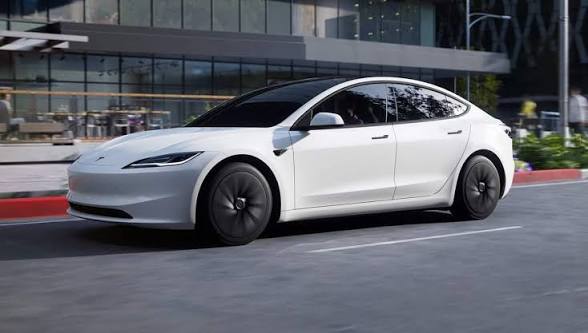
Web Desk:-Tesla’s ambitious push into autonomous ride-hailing is facing growing scrutiny as early tests of its robotaxi service reveal operational challenges and inconsistent performance. While the company recently expanded the service to Dallas and Houston, firsthand experiences from Reuters reporters suggest the technology is still far from delivering the seamless transportation revolution promised by CEO Elon Musk.
In Dallas, one reporter attempting to travel from Southern Methodist University to City Hall encountered repeated delays and limited vehicle availability. A journey that would normally take around 20 minutes stretched close to two hours due to long booking waits and inefficient routing.
The Tesla Robotaxi app repeatedly displayed messages about high demand or unavailable vehicles before finally assigning a car after more than half an hour of searching.
Once the ride began, the experience remained frustrating. Instead of using the city’s main freeway route, the vehicle relied on slower surface streets, extending travel time significantly.
The car eventually dropped the passenger at a parking lot located roughly a 15-minute walk from the intended destination. A remote support agent later explained that parts of the area were still considered restricted because the service remained in a beta-testing phase.
Additional rides in downtown Dallas exposed navigation issues. In one case, the robotaxi selected drop-off points far from destinations, including one that forced the passenger to walk beneath freeway overpasses in an unpleasant area.
Another ride highlighted the system’s struggles with complex intersections, as the vehicle repeatedly failed to execute a left turn before eventually succeeding after intervention from a remote attendant.
Tesla’s Houston operations also appeared limited. Reuters reported that only a small suburban area on the city’s northwest side was being serviced. One reporter managed to complete a single ride, but later attempts were canceled after long waits, forcing her to rely on Uber instead.
Even Austin, where Tesla’s robotaxi program has been active for nearly a year, continues to experience inconsistent service.
Reuters tracked wait times over several weeks and found that delays exceeding 15 minutes were common, while more than a quarter of ride requests required waits of at least 25 minutes. In many cases, no vehicles were available at all.
Despite the setbacks, Tesla continues to promote its vision of large-scale autonomous transportation. Investors still see robotaxis as central to the company’s future valuation.
However, the slower-than-expected rollout and persistent operational issues suggest that achieving widespread adoption may take longer than originally anticipated.