


UAE (Agencies) – A fragile ceasefire in the Middle East came under renewed strain on Friday as the United Arab Emirates reported intercepting an Irani missile and drone barrage, while the United States confirmed direct military action against Iranian targets in the strategically vital Strait of Hormuz.
According to the UAE’s defence authorities, air defence systems engaged two ballistic missiles and three drones launched from Iran, leaving three people injured. Officials urged residents to avoid any debris from intercepted projectiles as emergency measures remained in place.
Simultaneously, the US military said it had thwarted attacks on three naval vessels in the Strait of Hormuz and carried out retaliatory strikes on Iranian military installations linked to the assault. It also reported disabling two Iranian tankers attempting to breach an American blockade of Iranian ports.
The escalation marks one of the most serious flare-ups since a month-old ceasefire was brokered following hostilities that began on February 28. Iran has since largely restricted access to the Strait of Hormuz — a critical artery for global energy supplies — sending shockwaves through international oil markets and pushing fuel prices higher.
US President Donald Trump downplayed earlier exchanges, describing them as limited strikes, but warned of a return to large-scale military action if Tehran refuses to reopen the strait and curb its nuclear ambitions.
Meanwhile, Marco Rubio said Washington is awaiting Tehran’s response to ongoing diplomatic efforts, expressing cautious hope for a “serious offer” to de-escalate tensions.
Iran, however, condemned the US actions as a violation of the ceasefire, with its foreign ministry accusing Washington of “hostile aggression”. Iranian media also reported clashes near Qeshm Island and heightened defensive activity in Tehran.
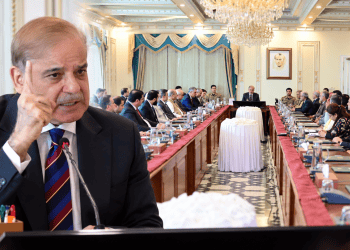
Amid the military escalation, Pakistan’s Prime Minister Shehbaz Sharif confirmed Islamabad is maintaining round-the-clock diplomatic engagement with both Washington and Tehran in an effort to salvage the truce and prevent a broader conflict.
Adding to global concerns, satellite imagery revealed a massive oil spill near Iran’s Kharg Island export terminal, spreading across nearly 95 square kilometres in the Persian Gulf. Environmental experts have warned of potential damage to sensitive marine ecosystems if the slick continues to drift.
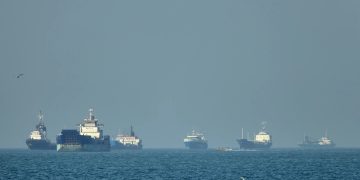
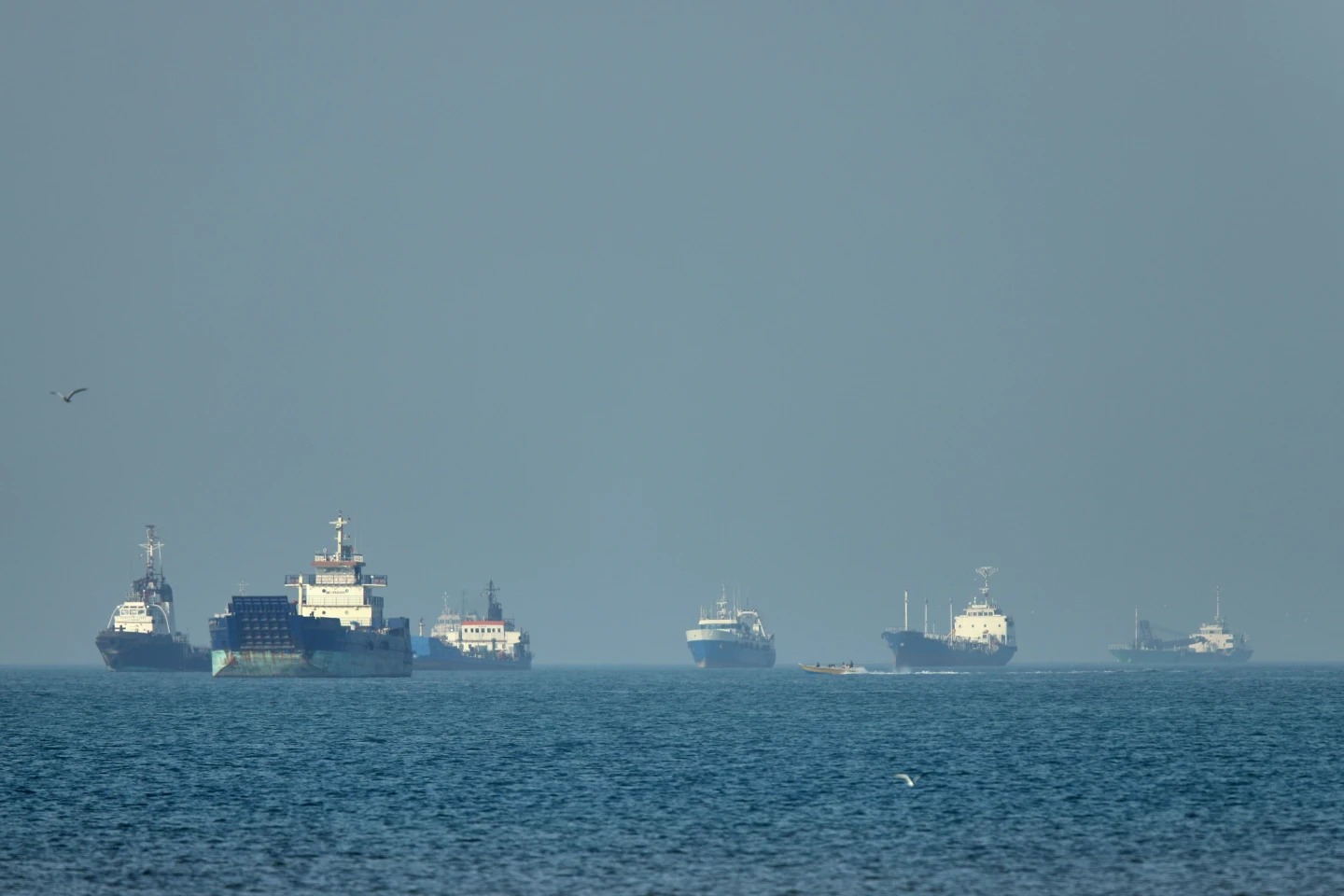
Further complicating the crisis, reports indicate Iran has moved to formalise control over the Strait through a new regulatory authority, raising alarm among global shipping operators. Hundreds of commercial vessels remain stranded in the Gulf, unable to transit the chokepoint.
The Strait of Hormuz, through which a significant portion of the world’s oil and gas supplies passes, remains effectively paralysed — intensifying fears of prolonged economic disruption and a wider regional confrontation.