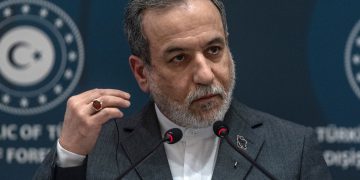



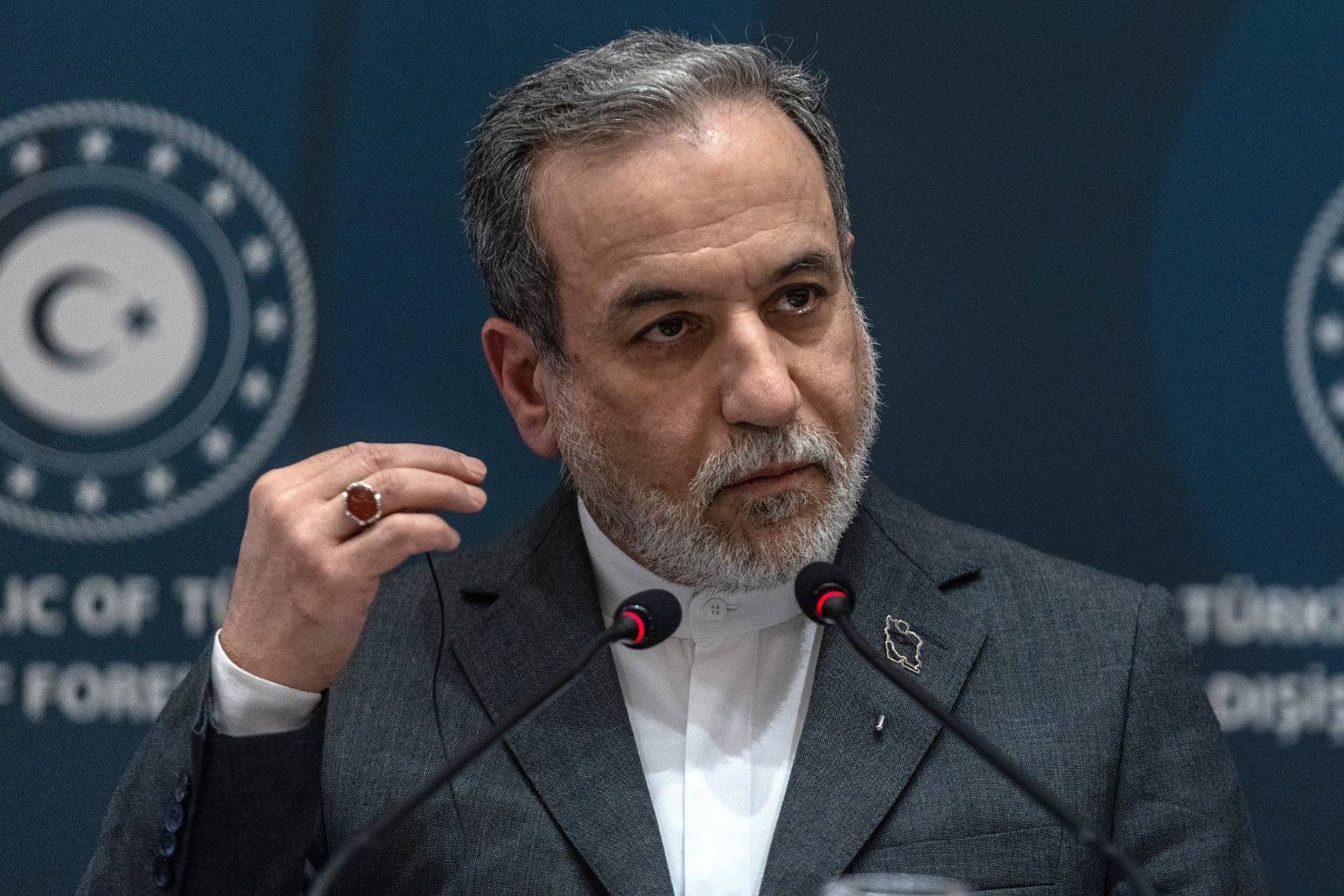
NEW DELHI (News Desk) – Abbas Araghchi has said that a deep lack of trust between Tehran and Washington is the main obstacle preventing progress in negotiations aimed at ending the ongoing conflict with the United States.
Speaking to reporters during a visit to India, Araghchi said conflicting and inconsistent messages from the American side have raised doubts about its true intentions. He stressed that Iran remains open to dialogue but warned that meaningful progress would only be possible if the United States demonstrates seriousness and a willingness to reach a “fair and balanced” agreement.
His remarks come after Donald Trump publicly rejected Iran’s latest proposal, reportedly calling it inadequate despite indications that Tehran had offered limited concessions regarding its nuclear programme. Washington has continued to demand stricter curbs, including the removal of highly enriched uranium from Iranian territory and guarantees that Iran will not develop nuclear weapons.
Tehran, however, maintains that its nuclear programme is solely for peaceful purposes and insists it has the sovereign right to enrich uranium. Araghchi described the issue of Iran’s enriched uranium stockpile as one of the most complex and sensitive aspects of the negotiations, suggesting that it remains a key stumbling block in any potential agreement.
Despite a temporary ceasefire, tensions remain high across the region. Iran continues to assert influence over the strategically critical Strait of Hormuz, a key maritime corridor through which a significant share of the world’s oil supply passes. At the same time, the United States has imposed restrictions affecting Iranian maritime activity, further escalating the standoff.
Araghchi indicated that Iran would welcome diplomatic support from other countries, particularly China, citing Beijing’s previous success in mediating regional agreements. However, China has so far shown limited public enthusiasm for playing a more active role, even as discussions between Trump and Xi Jinping have touched on the issue.
Meanwhile, Pakistan has confirmed it is continuing diplomatic efforts to help ease tensions, although officials have not disclosed details of ongoing discussions. Islamabad has maintained that the diplomatic process remains active despite the current deadlock.
In parallel developments, Israel and Lebanon have agreed to extend their ceasefire by 45 days to allow further negotiations, although sporadic exchanges of fire continue. Regional tensions have also spilled into maritime incidents, including Iran’s recent seizure of a Chinese-linked vessel for inspection.
Additionally, the United Arab Emirates is accelerating work on a new oil pipeline designed to bypass the Strait of Hormuz, highlighting broader concerns about energy security and supply disruptions linked to the conflict.
The ongoing mistrust between Iran and the US underscores how political divisions are obstructing diplomatic solutions, even as technical negotiations continue.
Prolonged tensions risk destabilising the Middle East further, disrupting global energy markets and increasing uncertainty for economies dependent on oil imports.
Progress is likely to depend on renewed diplomatic engagement, potential third-party mediation, and compromise on key issues such as uranium enrichment and sanctions.
Pakistan’s quiet diplomatic involvement reflects its strategic interest in regional stability, particularly given its reliance on Gulf energy supplies and broader geopolitical ties.