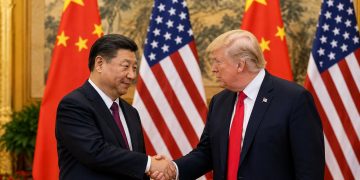



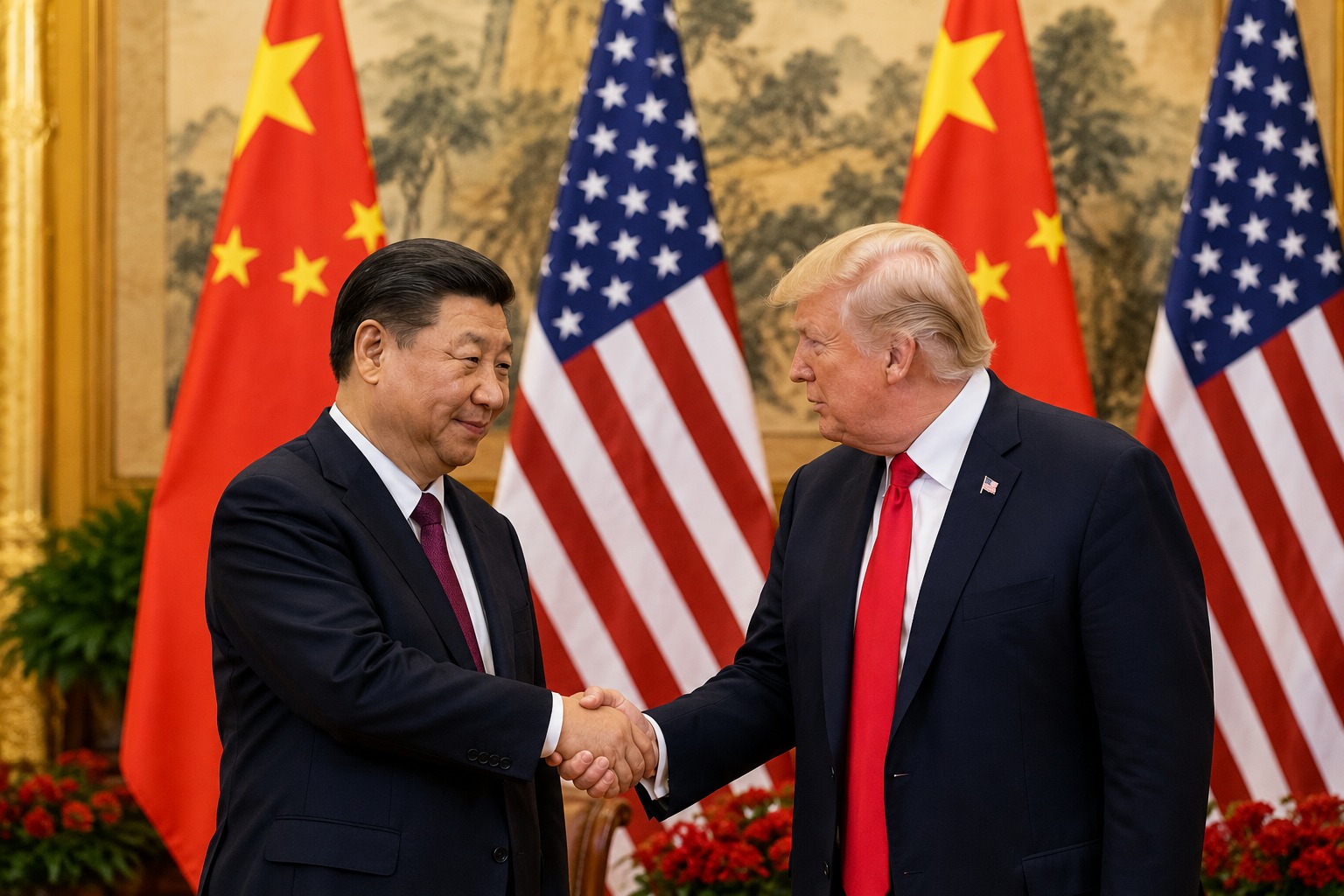
BEIJING (Agencies) -A high-stakes meeting between Xi Jinping and Donald Trump revealed a striking contrast in tone on Thursday, as Beijing issued a stern warning over Taiwan while Washington emphasized friendship and cooperation.
During closed-door talks in Beijing, Xi cautioned that mishandling the Taiwan issue could push the two nations toward confrontation, underscoring deep strategic mistrust despite outward diplomatic warmth.
The summit, marked by ceremonial grandeur and symbolic gestures, highlighted persistent divisions between the United States and China on key global issues, including Taiwan, trade and the Iran conflict.
While Trump projected optimism about bilateral ties, Xi’s remarks pointed to underlying tensions that continue to define relations between the world’s two largest economies.
According to China’s Foreign Ministry, Xi described Taiwan as the “most important issue” in China-U.S. relations, warning that failure to manage it carefully could result in “clashes and even conflicts.”
Trump, in contrast, praised Xi publicly, calling him “a great leader” and expressing confidence that ties between the two countries would improve further.
Xi also invoked the concept of the “Thucydides Trap,” referring to the historical tendency for conflict when a rising power challenges an established one, signaling Beijing’s concern over strategic rivalry with Washington.
Despite the sharp differences, both leaders stressed the importance of maintaining stable relations. Xi noted that cooperation benefits both nations, while confrontation would harm global stability.
Following their talks, Xi hosted Trump at the Temple of Heaven and later at a state banquet, where both leaders struck a more conciliatory tone, emphasizing mutual benefits and global responsibility.
Trump announced that Xi is expected to visit the White House on September 24, signaling continued diplomatic engagement.
The White House said discussions included expanding economic cooperation, increasing Chinese investment in U.S. industries and ensuring stability in global energy routes, particularly the Strait of Hormuz amid tensions linked to Iran.
However, Taiwan remains a major sticking point. China opposes U.S. arms sales to the island, while Washington maintains its commitment to support Taiwan’s self-defense, keeping the issue at the center of geopolitical friction.
Trade also featured prominently, with both sides indicating willingness to deepen economic ties, including potential Chinese purchases of U.S. agricultural products and continued negotiations to ease tariff tensions.