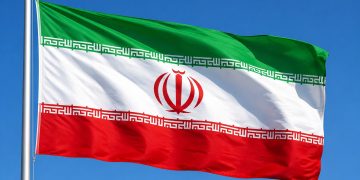



TEHRAN (Web Desk) – Iran is reviewing the latest ceasefire proposal put forward by the United States as tensions across the Middle East continue to escalate, raising fears of a broader regional conflict.
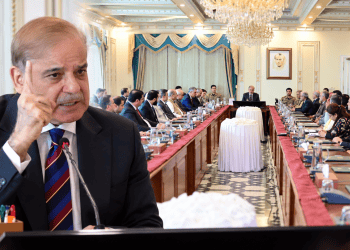
According to Iran’s Foreign Ministry, Tehran is examining Washington’s latest response to a proposed peace framework after several rounds of indirect message exchanges mediated by Pakistan. The diplomatic contacts come amid increasing military activity and rising political pressure in the region.
US President Donald Trump once again vowed to secure Iran’s stockpile of highly enriched uranium, stressing that Washington would not allow Tehran to retain material capable of being used for nuclear weapons development.
However, an Iranian official said Tehran intends to “downblend” the uranium itself, a process that would reduce the enrichment level of the nuclear material without handing it over to foreign powers.
The latest developments have further intensified concerns over a possible military confrontation involving Iran, Israel and the United States, particularly as hostilities continue to spread across the region.
In southern Lebanon, Israeli air strikes reportedly killed more than 20 people despite an extension of the fragile ceasefire arrangement between Lebanese and Israeli officials. Analysts say the truce largely exists “in name only” as cross-border violence continues.
Meanwhile, Iran’s newly established Persian Gulf Strait Authority announced the creation of a special “supervision area” in the strategically vital Strait of Hormuz. Under the new measures, vessels travelling through the waterway would require permits for transit.
The move immediately drew criticism from President Trump, who declared that “no tolls” would be allowed in the crucial shipping lane, through which a significant portion of the world’s oil supply passes each day.
Energy markets and global investors are closely monitoring the situation, with fears that any disruption in the Strait of Hormuz could trigger a sharp spike in oil prices and deepen economic uncertainty worldwide.
Diplomatic observers say Pakistan’s mediation efforts could play an important role in reducing tensions, although prospects for a breakthrough remain uncertain as mistrust between Tehran and Washington continues.
The renewed crisis comes at a time when the wider Middle East is already facing instability linked to conflicts in Lebanon, Gaza and the Persian Gulf, increasing the risk of a broader geopolitical confrontation.