


By Commerce Reporter
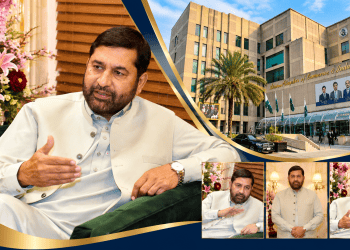
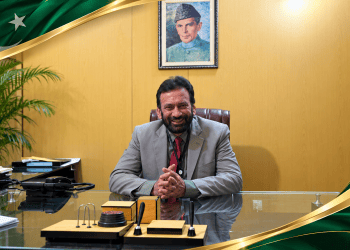
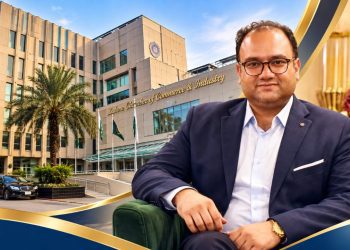
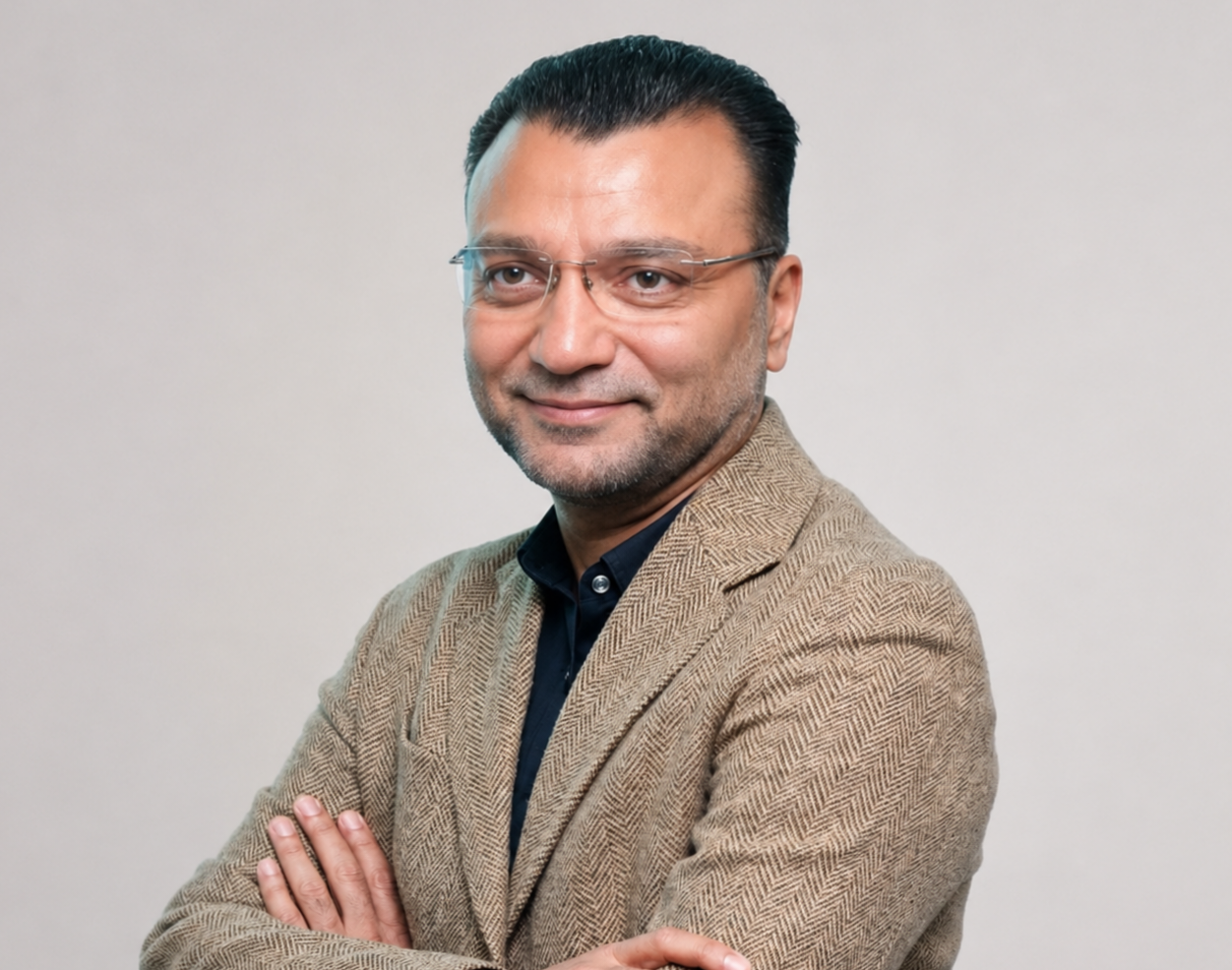
LAHORE: President Progressive Group and former Senior Vice President of Lahore Chamber of Commerce and Industry has said that Pakistan’s economic crisis is mainly the result of poor long-term planning, flawed IPP agreements, rising energy costs, and inconsistent economic policies that have badly affected industries and businesses across the country.
In a special interview with the publication, he said successive governments failed to adopt a sustainable economic strategy and instead focused on short-term decisions aimed at temporary relief.
“Pakistan has been facing economic instability because policymakers never introduced a long-term roadmap for growth and industrial development,” he said.
He termed the agreements with Independent Power Producers (IPPs) one of the biggest economic mistakes in the country’s history, saying these contracts had placed an unbearable burden on the national economy.
“The wrong IPP agreements increased electricity prices abnormally, making it difficult for industries to survive,” he said. “High energy costs have damaged Pakistan’s exports, industrial productivity, and overall business environment.”
He stressed that the people responsible for such agreements should be held accountable so that similar mistakes are not repeated in the future.
Discussing Pakistan’s ongoing programme with the International Monetary Fund, he said the IMF mainly demands an increase in revenue collection, but governments usually choose the easiest option by imposing heavy taxes on fuel and electricity instead of introducing structural reforms.
“Whenever the government increases petroleum levies and electricity tariffs, inflation rises further and production costs become unbearable for businesses,” he stated.
He added that indirect taxation had severely impacted the common citizen as well as the business community, resulting in slower economic activity and reduced purchasing power.
Talking about Pakistan’s industrial crisis, he said the country’s manufacturing sector was rapidly shrinking because imports were being prioritized over local industries.
“Factories are shutting down due to high electricity bills, expensive raw materials, and inconsistent policies,” he said. “At the same time, imported products continue entering the market, creating additional pressure on local manufacturers.”
He warned that unemployment was increasing at an alarming pace as millions of young people enter the job market every year without sufficient opportunities being created.
“Pakistan needs at least seven percent economic growth annually to generate enough jobs for the youth,” he said, adding that sustainable industrial expansion was essential for economic stability.
The business leader said the economic crisis could not be blamed on one institution alone, calling it the collective failure of politicians, bureaucracy, and powerful circles that influenced policymaking over the years.
“This crisis is the outcome of decades of poor governance and lack of accountability,” he remarked. “If serious reforms are not introduced immediately, the economic situation may worsen further.”
He emphasized the need for structural economic reforms, export-led growth, industrial incentives, and investment-friendly policies to revive the economy.
Speaking about the role of the Lahore Chamber of Commerce and Industry, he said the trader community had voted for the current leadership in the 2024 elections with the hope that the chamber would become an effective voice for businesses rather than remaining limited to a select group.
“We worked to highlight the issues faced by traders and industrialists despite difficult economic conditions,” he said. “The chamber also succeeded in convincing the government to withdraw several harsh conditions affecting businesses.”
He added that chamber resources were utilized for the collective benefit of the business community and efforts were made to strengthen the relationship between policymakers and traders.
Regarding the upcoming 2026 elections, he said their focus remained on resolving the issues of the business community instead of election politics.
“Our priority is not politics but the protection of traders, industries, and Pakistan’s economy,” he said while expressing confidence that the Progressive Group would secure another major victory due to its performance and connection with the business community.