


By Our Correspondent
LAHORE: Stakeholders has called for stronger child rights implementation following UN Review of Pakistan.
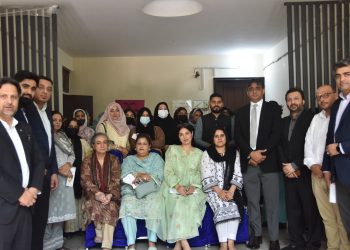
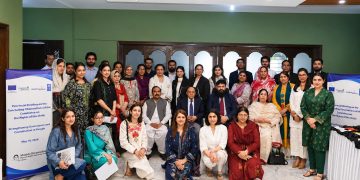
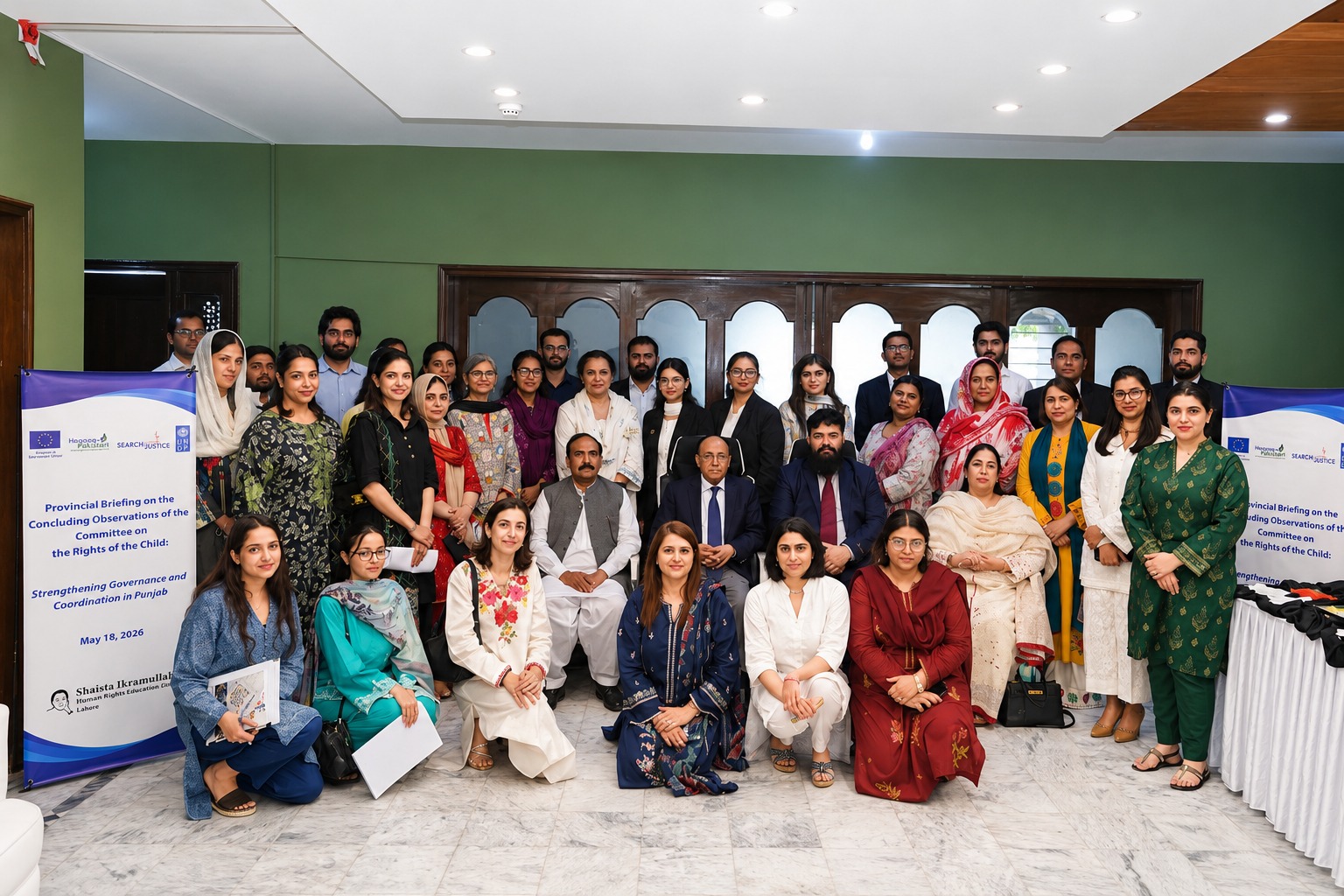
A briefing session was conducted on the Concluding Observations issued to Pakistan by the United Nations Committee on the Rights of the Child (CRC Committee) highlighted the need for stronger institutional coordination, accountability, and implementation mechanisms to advance children’s rights in Pakistan. The session was organized at the Shaista Ikramullah Human Rights Education Centre, Lahore, under the Haqooq-e-Pakistan II Project funded by the European Union and implemented by UNDP Pakistan, in collaboration with Search for Justice.
The briefing brought together representatives from government departments, human rights institutions, academia, civil society organizations, and experts to discuss the recommendations issued to Pakistan following its 2026 review by the CRC Committee and to explore pathways for strengthening implementation and institutional follow-up. The discussion emphasized the significance of the CRC Committee’s Concluding Observations as an important international accountability framework for advancing children’s rights in Pakistan.
Iftikhar Mubarik, Executive Director of Search for Justice, provided an overview of the Concluding Observations and key recommendations issued to Pakistan by the CRC Committee following the country’s review under the Convention on the Rights of the Child.
Participants were briefed on key issues highlighted by the Committee, including violence against children, child labour, child justice, child participation, mental health, education, online safety, climate vulnerability, harmful practices, and strengthening child protection systems.
Participants noted that while the CRC Committee had acknowledged several positive legislative and policy developments, including the National Commission on the Rights of the Child, the Juvenile Justice System Act 2018, and the Punjab Child Protection Policy 2025, many recommendations continued to recur across successive review cycles due to persistent implementation and coordination challenges.
Referring to the CRC Committee’s recommendations on violence against children and child labour, the discussion highlighted the importance of strengthening child-friendly reporting systems, coordinated referral pathways, labour inspection systems, access to education, social protection measures, and comprehensive child labour eradication strategies informed by child labour surveys conducted in different provinces and the Islamabad Capital Territory (ICT).
Participants also discussed the CRC Committee’s recommendations relating to child and adolescent mental health, online safety, and climate vulnerability, emphasizing the need for school and community-based psychosocial support systems, stronger digital safety frameworks, and child-centred climate adaptation and disaster response measures.
The discussion further emphasized the importance of stronger monitoring, coordination, and follow-up mechanisms at both federal and provincial levels. Participants highlighted the important role of National Human Rights Institutions and civil society organizations in monitoring progress towards the protection and realization of children’s rights.
The discussion also explored the importance of establishing a standing national follow-up mechanism for coordinating implementation and tracking progress on treaty obligations and recommendations.
Representatives from the Treaty Implementation Cell, Punjab Social Protection Authority, Labour & Human Resource Department, Punjab Police, Planning & Development Department, Human Rights Commission of Pakistan (HRCP), Justice Project Pakistan (JPP), leading universities, and other relevant institutions participated in the session.
The discussion emphasized the importance of treating the CRC Committee’s Concluding Observations not merely as reporting outcomes, but as a practical roadmap for strengthening governance, accountability, coordination, and implementation systems relating to children’s rights in Pakistan.