


By Asim Shahzad
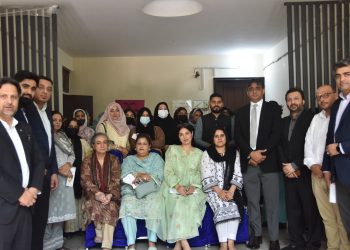
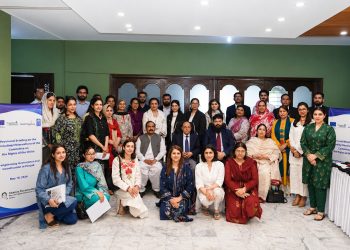
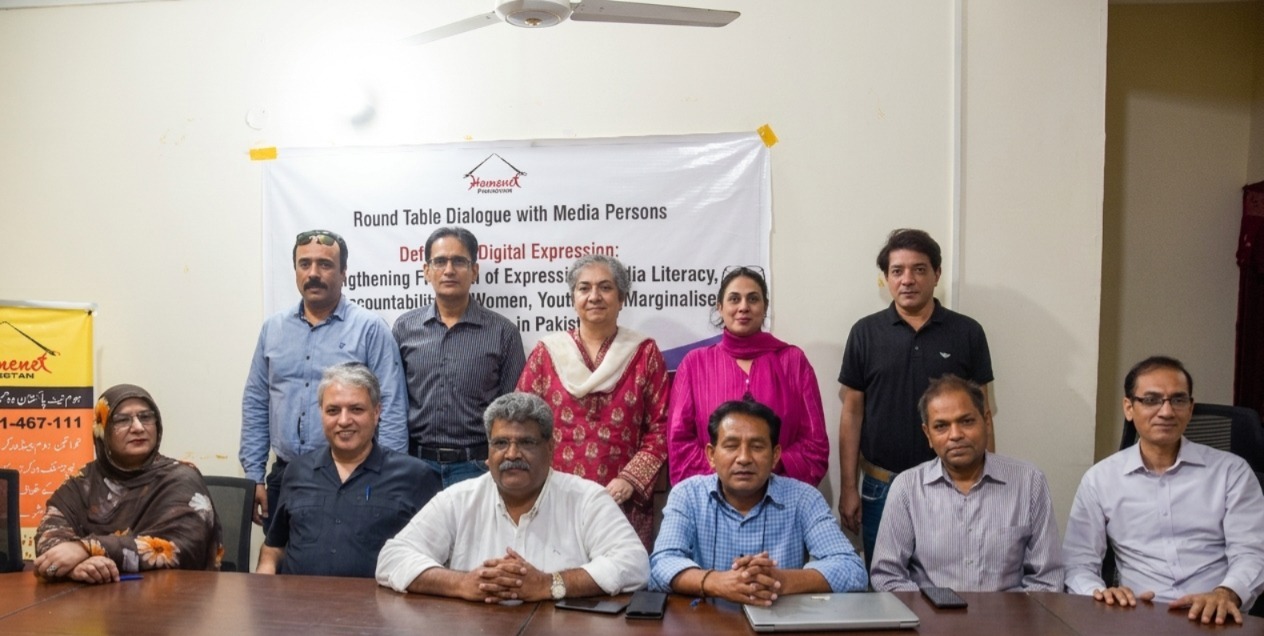
LAHORE: A roundtable dialogue organized by HomeNet Pakistan (HNP) brought together media professionals and civil society representatives to deliberate on protecting digital expression, strengthening media literacy, and promoting accountability for women, youth and marginalized communities in Pakistan.
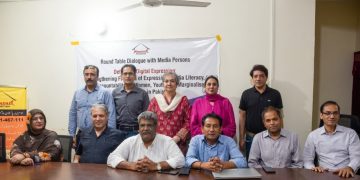
Held at HNP’s Lahore office, the dialogue titled “Defending Digital Expression: Strengthening Freedom of Expression, Media Literacy, and Accountability for Women, Youth, and Marginalized Communities in Pakistan” served as a platform for robust discussions on digital rights, ethical journalism, online safety and the regulatory implications of the Prevention of Electronic Crimes Act (PECA).
The session was attended by journalists, editors and media analysts from Daily Quwat, Daily Asaas, Daily Tribune International, Minute Mirror, Daily Pakistan, Cyril News and The Truth News Network, alongside civil society representatives including Ch. Ishtiaq and Dr. Javed Gill.
Opening the discussion, HomeNet Pakistan representative Humera Aslam outlined the objectives of the roundtable, stressing the need to deepen understanding of digital rights and responsible digital engagement. She underscored the importance of creating safe, inclusive and gender-sensitive digital spaces, particularly for vulnerable communities often excluded from mainstream policy discourse.
She said digital freedom must go hand in hand with ethical standards, accountability and stronger protections against online abuse.
Speaking on the growing significance of digital platforms, Ume Laila Azhar described online spaces as powerful tools for awareness, civic engagement and economic participation. However, she pointed to serious gaps in political and digital literacy, particularly among marginalized groups and informal workers.
She called for evidence-based policy interventions to address digital exclusion and noted that while concerns around PECA remain valid, issues such as digital violence and online harassment also demand urgent attention.
“Freedom of expression and protection from harm must advance together,” she said, urging stronger institutional capacities, effective accountability mechanisms and constructive engagement between the state and civil society.
Azhar also highlighted the gendered dimensions of digital spaces, raising concerns over the disproportionately high levels of online harassment faced by women and the low rate of reporting such incidents.
She questioned whether existing legal frameworks, including PECA, adequately distinguish between cybercrime and technology-facilitated gender-based violence (TFGBV), while drawing attention to the exclusion of home-based workers, informal workers and rural women from digital safety awareness and complaint mechanisms.
Addressing the role of the media, she said responsible journalism must move beyond reporting incidents and focus on ethical coverage, avoiding victim-blaming and enabling safer participation in digital spaces.
Civil society representative Ch. Ishtiaq emphasized the urgent need to educate women about online safety, including protection from cyberbullying, exploitation and harassment.
Referring to Article 19 of the Constitution, he reaffirmed freedom of speech as a fundamental right while stressing the importance of understanding legal boundaries under PECA. He called for improved communication practices, stronger media ethics and regulatory approaches that protect constitutional freedoms.
Participants also underscored the media’s critical role in promoting accountability, ethical reporting and public awareness. They stressed that fact-based and responsible journalism is essential for safeguarding democratic values and human rights in an increasingly digital world.
Concerns were raised over the expansion of state powers without adequate accountability safeguards, as well as the risk of criminalizing speech instead of addressing actual harm. Participants pointed to vague legal definitions and weak alignment with constitutional and human rights protections as areas requiring urgent review.
The roundtable featured expert inputs, open discussions and experience sharing on issues ranging from digital inclusion and content creation to responsible reporting and the challenges facing independent journalism in a changing regulatory environment.
Speakers highlighted the need to foster inclusive digital spaces that ensure equal participation, safety and rights protection for all citizens, especially those historically marginalized.
HomeNet Pakistan also shared details of its community-based grievance mechanisms and ongoing efforts to promote inclusive, rights-based digital engagement, particularly for women home-based workers operating in the informal economy.
Concluding the session, Humera Aslam thanked participants for their valuable contributions and highlighted key outcomes, including enhanced understanding of digital rights challenges and identification of pressing concerns affecting women, youth and marginalized groups.
The dialogue concluded with a collective commitment to continue fostering inclusive engagement on digital regulation, media freedom and accountability, with participants emphasizing that a balanced and rights-based digital environment is essential to ensuring safety, transparency and the protection of fundamental freedoms in Pakistan.