


By Asim Shahzad
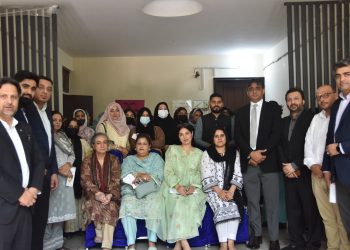
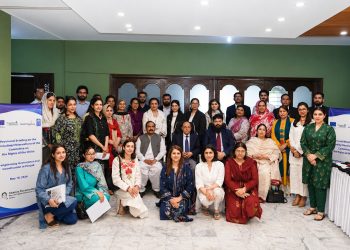
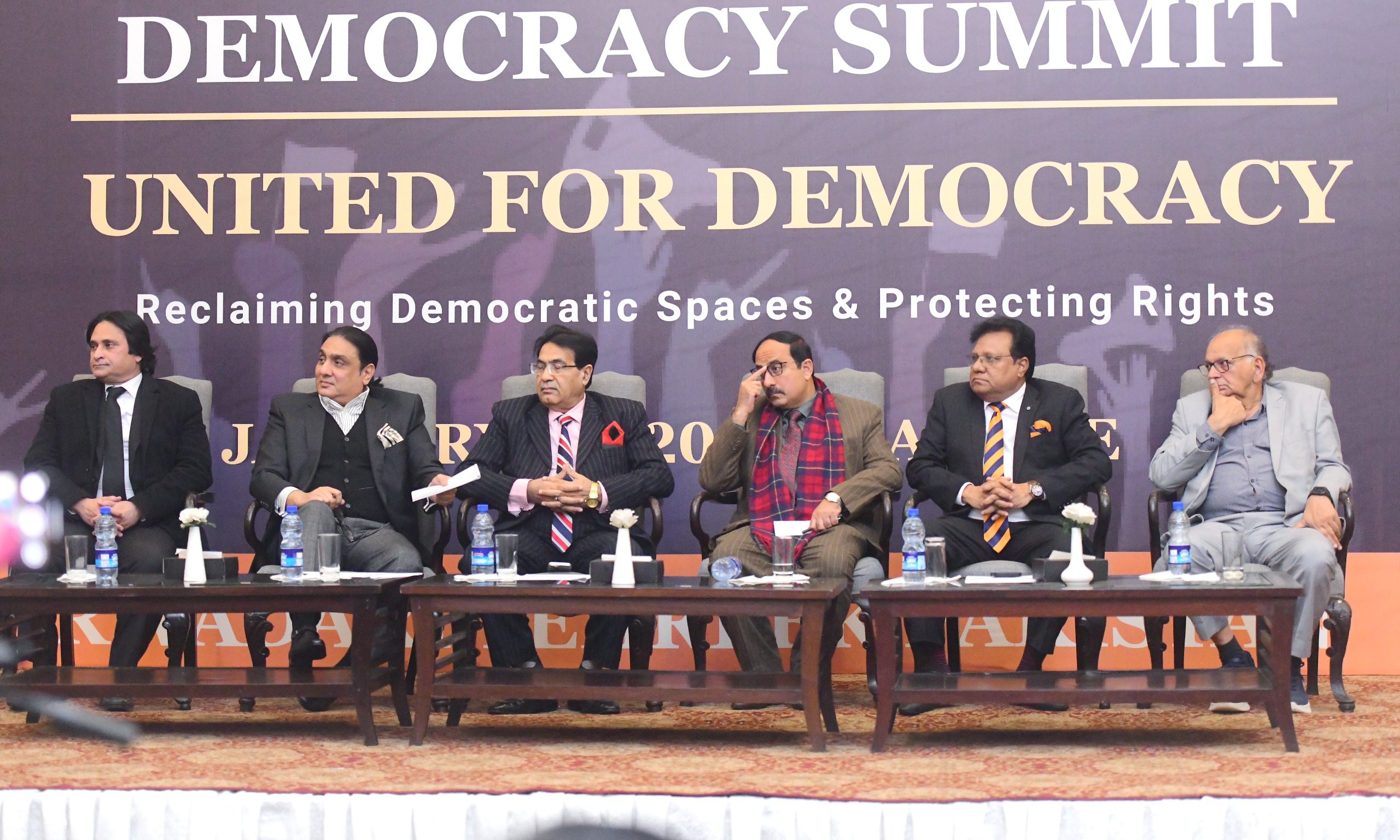
LAHORE: Rwadari Tehreek Pakistan organised a Democracy Summit on January 8, 2026, in Lahore, aimed at reconnecting and reimagining collective action to strengthen democratic values, institutional frameworks, and the protection of fundamental rights.
The summit brought together democracy advocates, civil society representatives, academics, youth leaders, journalists, and human rights defenders to deliberate on Pakistan’s pressing democratic challenges. The forum provided space for discussions on key issues including electoral reforms, political inclusion, institutional strengthening, and youth engagement.
Mr Deedar Ahmed Mirani, Vice Chairman of Rwadari Tehreek, and Ms Shiba Gill, journalist and CEO of XP Blue Zone TV, moderated the proceedings, while Mr Samson Salamat, Chairman of Rwadari Tehreek, delivered the inaugural address.
Prominent panelists and speakers included Jami Chandio, scholar, writer and co-founder of Rwadari Tehreek Pakistan; Irfan Mufti, human rights defender and convener of the Joint Action Committee for Peoples Rights; Ajmal Jami, journalist and TV anchorperson; Professor Dr Taimoor Rehman, political science teacher at LUMS and secretary general of the Mazdoor Kisan Party; Professor Dr Mehboob Hussain, dean of the Faculty of Arts and Humanities at Punjab University; Advocate Rabbiya Bajwa, former vice president of the Lahore High Court Bar Association; Rana Arshad, Chief Whip of the Punjab Assembly; Barrister Amir Hassan, deputy information secretary of PPP Punjab; and Khurram Latif Khosa, advocate and representative of PTI’s lawyers’ wing.
Under the theme “United for democracy: reclaiming democratic spaces and protecting rights,” participants reaffirmed their commitment to defending civic freedoms, freedom of expression and assembly, resisting repression and exclusion, and opposing authoritarianism, discrimination, and the silencing of dissenting voices.
At the conclusion of the summit, participants issued the “Lahore Declaration,” outlining a set of recommendations for democratic advancement and human rights protection in Pakistan.
The declaration called for initiating a comprehensive political dialogue to address Pakistan’s political, economic, and security challenges through a unified and inclusive approach. Participants stressed the need to de-escalate political tensions, restore calm, and adopt a whole-of-nation strategy for sustainable development.
Speakers urged state institutions to remain within their constitutional mandates and avoid authoritarian overreach, while political parties were advised to make the system more inclusive and people-centric by strengthening civic participation, rule of law, transparency, and accountability.
On electoral reforms, the summit noted that Pakistan’s electoral framework provides adequate safeguards, but transparency is compromised when state institutions lose neutrality. Participants recommended consensus-based reforms to ensure free, fair, and transparent elections.
The declaration also emphasised the need for meaningful provincial autonomy, arguing that national cohesion in a federal system is strengthened when provinces exercise greater control over their affairs. Empowering provinces was described as essential for long-term stability, economic growth, and national unity.
Participants urged citizens to uphold democratic values, respect differences of opinion, avoid blind political loyalty, verify information before sharing it, and reject violence in political and social struggles. Political leaders were also advised to refrain from inflammatory rhetoric and abusive language that could fuel intolerance and violence.
The summit demanded the immediate removal of restrictions on freedom of expression, association, and assembly, stating that such measures have been used to suppress dissent under the pretext of security and public order.
The declaration further called for strict action against extremist groups and individuals inciting violence and hatred against minorities under the guise of blasphemy laws. Participants proposed a grand parliamentary dialogue to address misuse of these laws, prevent false accusations and mob violence, and ensure legal protection for religious minorities. They also urged a review of the proportional representation system for minorities, which they said has failed to allow minorities to elect their own representatives, particularly in Punjab’s local government system.