


By Muhammad Mohsin Iqbal
In the grand tradition of democratic governance, where the elected voices of the people gather in solemn assembly to chart the course of nations, parliament stands as the sacred forum for debate, aspiration, and the pursuit of a brighter tomorrow. It is here that the grievances and hopes of ordinary citizens find expression, and the foundations of stability and progress are laid with care and foresight. Across the world, this parliamentary system commands profound respect, serving as a beacon of collective wisdom. Thus, it was that the Speaker of the Iranian Parliament, Mohammad Baqir Qalibaf, came to lead important peace discussions in the Middle East alongside the United States, demonstrating how legislative voices can bridge divides even in the most delicate matters of statecraft. In like manner, nations have long recognised the value of uniting their parliaments in common cause, and none more so than through the esteemed Inter-Parliamentary Union, that venerable body which provides a global stage for addressing the pressing concerns of our age.
Read also: Power struggle in Afghanistan and India’s expanding role
The recently concluded 152nd session in Istanbul, hosted by Türkiye’s Grand National Assembly, offered a telling illustration of both the promise and the limitations of parliamentary diplomacy in an era marked by unresolved conflicts and shifting power dynamics. The assembly’s overarching theme — nurturing hope, safeguarding peace and ensuring justice for future generations — struck a resonant chord amid ongoing global turmoil. Discussions spanned post-conflict governance, the restoration of lasting peace, and the imperative of building a fairer, more sustainable global economy, including measures to curb corporate tax avoidance. These topics underscored a broader recognition that parliaments must move beyond rhetoric to play a more substantive role in bridging divides and shaping multilateral responses.
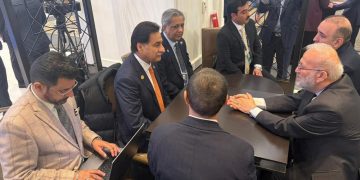
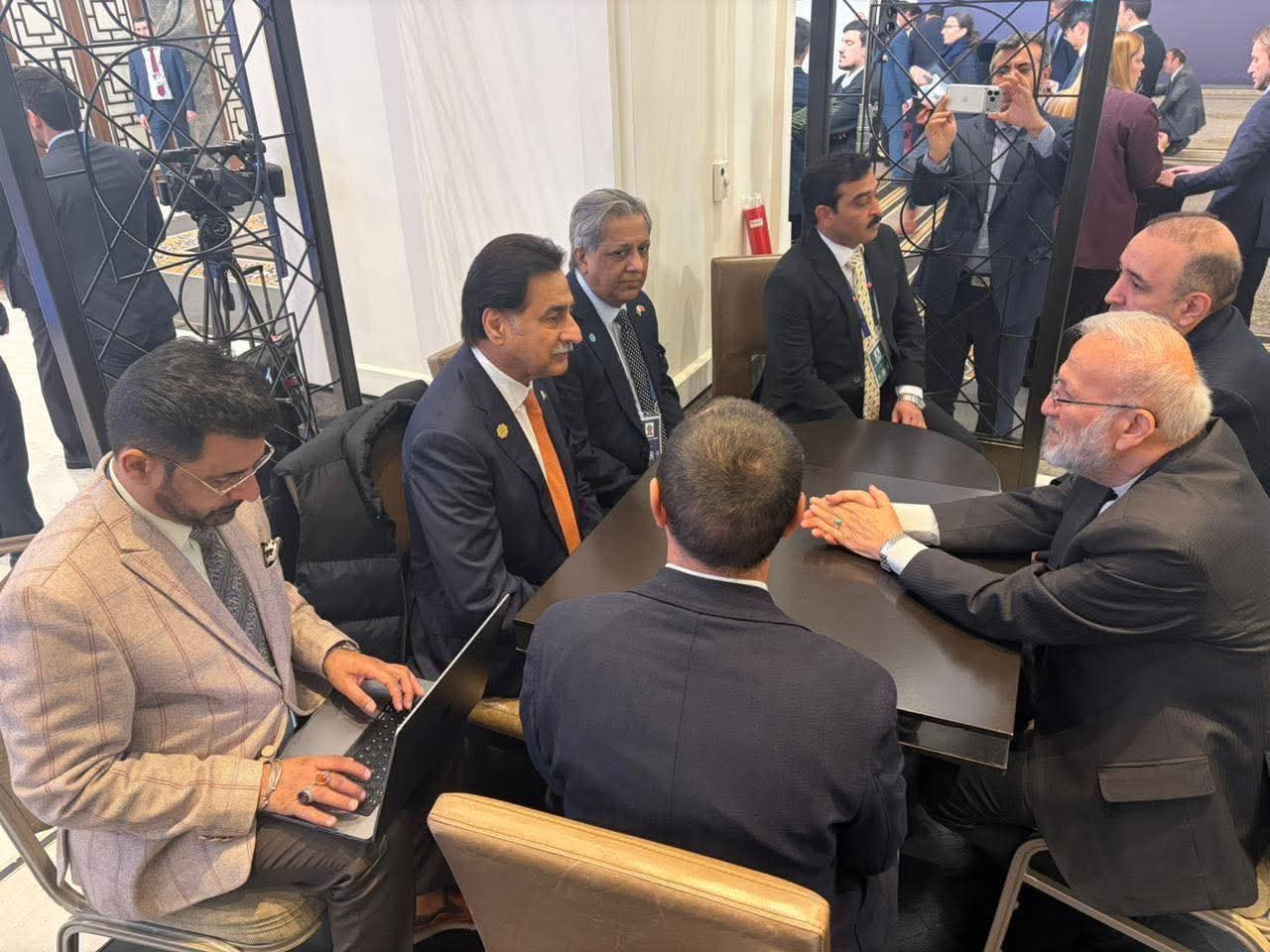
Yet, as Speaker of Pakistan’s National Assembly Sardar Ayaz Sadiq aptly observed in his address, the international system established eight decades ago now stands at a critical inflection point. Persistent wars, forced displacements and selective application of UN Charter principles continue to erode trust in global institutions, highlighting the urgent need for more consistent and inclusive diplomatic mechanisms. Pakistan’s participation reflected a principled yet pragmatic approach to these challenges. Accompanied by Pakistan’s legislators, Speaker Ayaz Sadiq used the forum to articulate Islamabad’s longstanding positions with clarity and conviction.
On Jammu and Kashmir, he reiterated that the disputed territory’s final status must be determined through UN Security Council resolutions and the aspirations of the Kashmiri people, while criticising unilateral measures and aggressive posturing. Sardar Ayaz Sadiq always speaks with a voice firm in resolve and unwavering in conviction on the question of Kashmir. It is the same Sardar Ayaz Sadiq who, in 2015, declared without hesitation that Pakistan’s principled position on Kashmir outweighed the considerations of the Commonwealth Parliamentary Association (CPA) meeting. With equal clarity, he affirmed that the Speaker of the Assembly of Indian-occupied Kashmir would not be invited to Islamabad.
Speaker Sadiq remarks on the Indus Waters Treaty — describing the decision to hold it in abeyance as irresponsible and a violation of international norms — carried particular weight, given the treaty’s foundational role in regional stability. The weaponisation of shared resources, he warned, risks escalating tensions in an already volatile South Asia.
The Speaker’s intervention on Palestine was equally forthright. Highlighting the staggering human cost — over 71,000 Palestinians killed in the past two years, predominantly women and children — he drew attention to the realities of occupation, dispossession and systemic violence. At the same time, he acknowledged emerging diplomatic pathways, including recent UN initiatives and efforts toward a Gaza peace plan supported by the United States and several Arab and Islamic states, including Pakistan. Islamabad’s consistent stance, he emphasised, remains anchored in the establishment of a viable, independent Palestinian state on pre-1967 borders with Al-Quds Al-Sharif as its capital. These positions align with Pakistan’s broader commitment to the right of self-determination and the peaceful resolution of disputes through multilateral frameworks.
Speaker Ayaz Sadiq reaffirmed Pakistan’s unwavering faith in parliamentary diplomacy as a vital instrument for cultivating trust, encouraging cooperation, and preventing or resolving strife. He insisted that the core tenets of the United Nations Charter – the renunciation of force, the right of self-determination, sovereign equality, respect for territorial integrity, non-interference in internal affairs, and the peaceful settlement of disputes – must remain the unshakeable pillars of international conduct. True and lasting peace, he observed, cannot spring from displays of power, but only from patient dialogue, mutual respect, and inclusive engagement. Regrettably, the Charter’s mechanisms for amicable resolution have too often lain dormant or been applied with regrettable selectivity.
A particularly noteworthy aspect of Pakistan’s engagement was its emphasis on recent diplomatic breakthroughs. Speaker Sadiq commended the positive responses from Iran and the United States to the ceasefire call advanced by Prime Minister Shehbaz Sharif, Deputy Prime Minister Ishaq Dar and Chief of Defence Forces Field Marshal Asim Munir. The Islamabad talks of April 11-12 were described as a historic step, conducted in a constructive atmosphere that could pave the way for sustained regional dialogue. This initiative underscores Pakistan’s evolving role as a credible interlocutor capable of facilitating engagement between adversaries — a capacity rooted in its strategic location, historical ties and policy of balanced relations.
On Afghanistan, the Speaker struck a note of cautious realism, expressing concern over the persistent threat posed by terrorist sanctuaries while reaffirming Pakistan’s preference for dialogue alongside its right to defensive measures. Similarly, his remarks on climate change highlighted Pakistan’s acute vulnerability and national efforts — such as ecosystem-based flood management and green economy initiatives — as contributions to a shared global responsibility. These points illustrated a holistic foreign policy perspective that integrates security, development and environmental imperatives.
Beyond the plenary, Speaker Sadiq’s bilateral meetings on the sidelines added depth to Pakistan’s parliamentary outreach. Engagements with counterparts from Uzbekistan, Oman, Qatar, Türkiye, Maldives and Russia reinforced longstanding fraternal ties, particularly within the Muslim world, while eliciting appreciation for Islamabad’s peace initiatives. Leaders from Oman and Qatar, for instance, viewed Pakistan’s efforts as a source of pride for the Ummah and a model for fostering unity amid divisive regional tensions. Such interactions suggest that parliamentary diplomacy can serve as a valuable complement to traditional state-to-state channels, building trust and opening avenues for cooperation even when formal negotiations face hurdles.
Analytically, Pakistan’s performance at the IPU session reveals both strengths and strategic nuances. By consistently invoking UN principles while highlighting selective enforcement, Islamabad positions itself as a defender of a rules-based order that often falls short in practice. Its mediation role in the Iran-US context, though modest, demonstrates the value of quiet diplomacy and goodwill in a polarised landscape. At the same time, challenges remain; translating rhetorical commitments into tangible outcomes requires sustained follow-through, robust domestic consensus and skilful navigation of great-power rivalries.
In an age where multilateral forums risk becoming echo chambers, the Istanbul gathering served as a reminder that parliamentary engagement can still inject fresh perspectives into global discourse. For Pakistan, the session offered an opportunity to project a mature, peace-oriented foreign policy while advancing core national interests on Kashmir, Palestine and regional security. Whether these efforts will translate into concrete progress depends not only on the eloquence of speeches but on the collective political will of nations to move from declarations to deeds. In that sense, the true test of nurturing hope and ensuring justice lies in the actions that follow such gatherings.