


By Our Correspondent
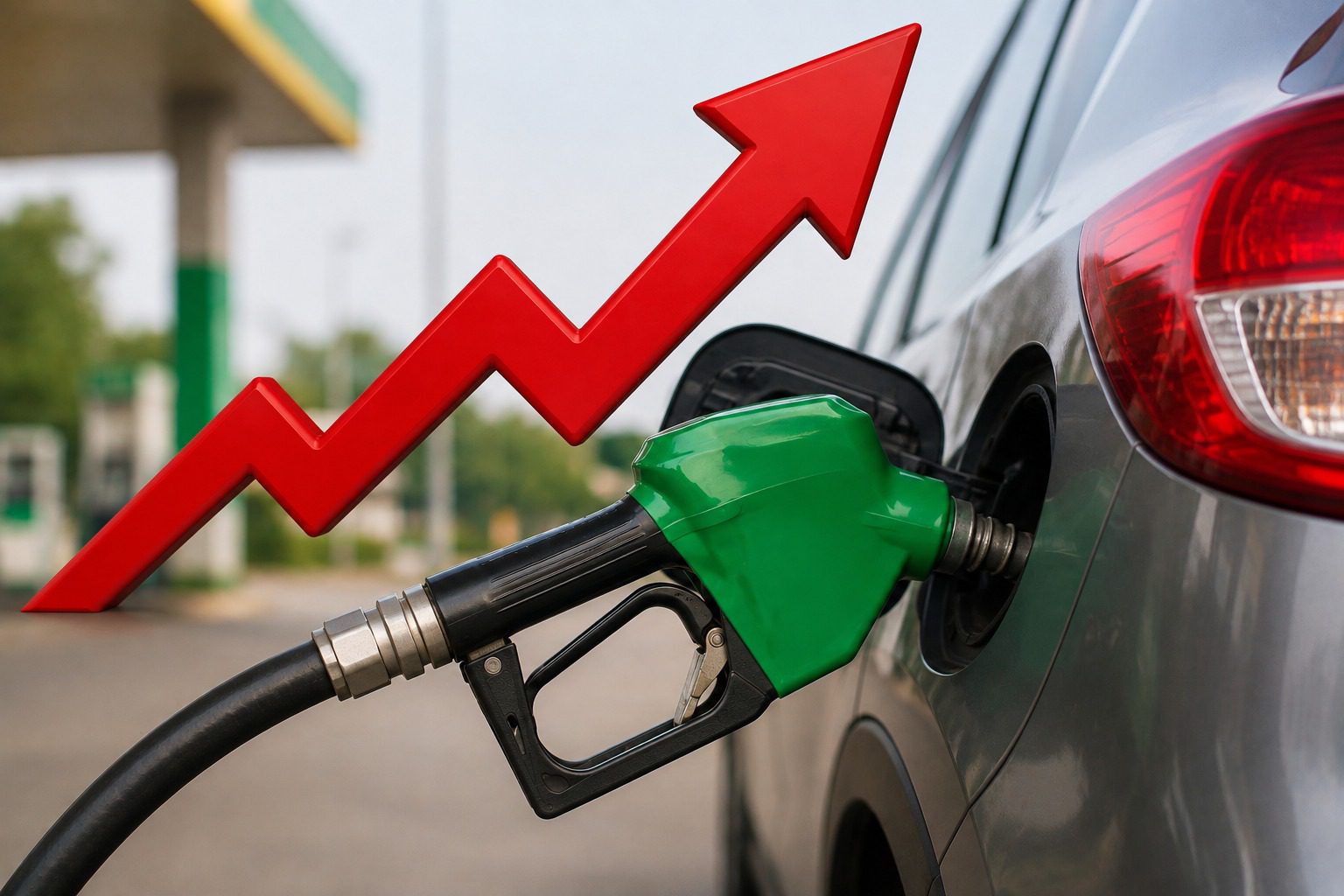
ISLAMABAD: Petrol prices surged further on Wednesday as the government raised the rate by Rs5.58 per litre, taking the new price to Rs364.35 per litre, while high-speed diesel (HSD) increased by Rs4.18 to Rs385.95 per litre.
According to a Petroleum Division notification, the revised prices took effect on Sept. 9.
The latest increase comes despite a substantial retreat from the record fuel prices witnessed earlier this year during severe volatility in international energy markets following the outbreak of the US-Iran conflict.
HSD had climbed to a peak of Rs520.35 per litre on April 3 after rising from around Rs281 per litre following the outbreak of hostilities on Feb. 28. Petrol similarly reached a record Rs458.41 per litre on April 3 after beginning its upward climb from around Rs266 in the first week of March.
Despite prices falling considerably from those peaks, motorists continue to face historically high fuel costs. The government is currently collecting around Rs114 per litre in taxes and duties on petrol and Rs100 per litre on diesel.
The latest adjustment is expected to add further pressure on household and transportation expenses. Petrol is widely consumed by motorcycles, rickshaws, cars and other small vehicles, making price changes particularly significant for middle- and lower-income households.
Higher diesel prices have broader inflationary implications because HSD is extensively used by heavy transport, commercial vehicles, agricultural machinery, power plants and large generators. An increase in diesel costs can therefore feed into freight charges and ultimately the prices of food and other goods transported across the country.
The government has shifted to a daily fuel-price adjustment mechanism amid continued volatility in global oil markets. Petroleum Minister Ali Pervaiz Malik announced on July 17 that prices would be determined daily in response to international market movements following renewed hostilities between Iran and the United States.
The government had earlier moved to weekly fuel-price revisions in March as authorities sought to respond more quickly to rapidly changing international prices and concerns over possible disruptions to oil supplies from the Middle East.
Under the new arrangement, the Oil and Gas Regulatory Authority (Ogra) has been assigned responsibility for determining daily fuel prices on the basis of international market trends.
Petrol and HSD remain the country’s principal petroleum products and major sources of government revenue. Their combined consumption runs into hundreds of thousands of tonnes every month, meaning even relatively small price changes have significant implications for consumers, businesses, transport costs and government receipts.


