

By Commerce Reporter
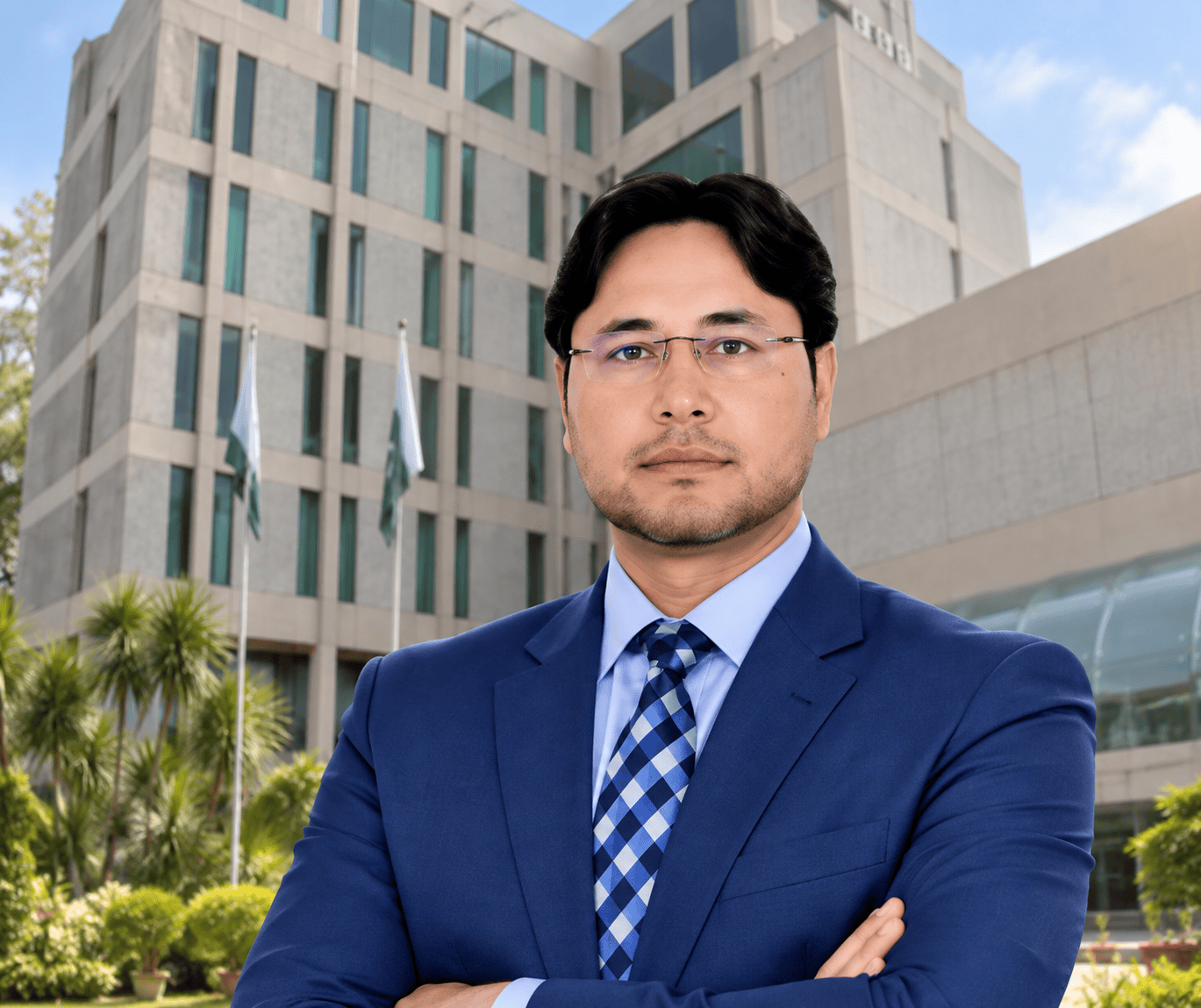
LAHORE: Lahore’s traders and industrialists need an accessible and effective chamber that can take their genuine problems to policymakers and pursue practical solutions, says Mardan Ali Zaidi, former Executive Committee member of the Lahore Chamber of Commerce and Industry (LCCI) and a candidate in the upcoming LCCI Executive Committee election.
In an interview ahead of the LCCI elections on September 23 and 24, Zaidi said rising business costs, taxation and compliance requirements, expensive energy, infrastructure shortcomings and difficulties experienced by businesses in dealing with regulatory authorities were among the issues requiring sustained institutional attention.
He said the chamber should work as a bridge between the business community and government, while respecting the law and encouraging constructive engagement with public institutions.
What should be the priority of the incoming LCCI Executive Committee?
Mardan Ali Zaidi: The basic responsibility of LCCI is to represent the legitimate interests of its members effectively. Traders and industrialists invest capital, generate employment, pay taxes and contribute significantly to economic activity. Their concerns deserve serious representation.
As a former Executive Committee member, I understand that raising an issue is only the first step. There has to be follow-up. Members should be able to approach their chamber, explain a genuine problem and know that their representatives will make a serious institutional effort to take it to the appropriate forum.
My priority is straightforward: make LCCI more accessible and useful to its members.
Businesses frequently complain about high taxes and compliance costs. What can LCCI realistically do?
Businesses recognise that taxation is necessary for running the state. The issue is how the tax system operates and whether compliant businesses are being provided an environment in which they can grow.
The chamber should advocate simplification, predictability and greater consultation. Businesses should clearly understand their tax and regulatory obligations without having to deal with unnecessary complexity.
We should also encourage broadening of the tax base so that the burden does not continue falling disproportionately on already documented sectors.
Where businesses identify overlapping taxes, fees or procedures that they believe unnecessarily increase their operating costs, LCCI should examine those concerns, develop evidence-based proposals and take them to the relevant authorities.
How serious is the electricity issue for Lahore’s industry?
Energy cost is directly linked with industrial competitiveness.
If electricity and other input costs keep increasing, manufacturers face greater difficulty in pricing their products competitively. This affects production, investment, employment and ultimately consumers.
LCCI cannot determine electricity tariffs itself, but it can collect data from affected industries, study the impact and present a strong case before the federal government and relevant institutions.
The chamber’s advocacy becomes more effective when it is supported by facts rather than simply statements.
We need an environment where an industrialist is thinking about expansion, technology, exports and employment rather than constantly worrying about the next increase in production costs.
You have also spoken about parking and infrastructure. Why are these business issues?
Anyone operating in Lahore’s commercial centres understands their importance.
Traffic congestion, accessibility and inadequate parking can affect customers, employees, suppliers and the overall commercial environment. These may appear to be municipal issues, but they also have economic consequences.
LCCI should engage with the Punjab government, local administration, traffic authorities and other relevant agencies to discuss practical solutions for major commercial areas.
Where technically and financially feasible, better traffic planning, organised parking and modern parking facilities should be considered. A successful commercial centre has to be accessible.
Some traders have expressed concerns about enforcement actions by PERA and other government departments. What is your position?
Every business must comply with the law, and government departments have statutory responsibilities that must be respected.
At the same time, if traders believe that a particular enforcement action or procedure is unfair, disproportionate or unnecessarily disruptive, they should have access to a lawful and institutional mechanism for raising their grievance.
LCCI should neither obstruct legitimate enforcement nor encourage violations of law. Its role should be to document genuine complaints, understand the position of all sides and, where appropriate, take up members’ concerns with the competent authorities.
Dialogue can often resolve problems before they turn into serious disputes.
Would you support a dedicated grievance mechanism at LCCI?
Yes. I believe a stronger business facilitation and grievance mechanism can be extremely useful.
A member facing an issue with a government department should be able to approach the chamber and receive guidance about the appropriate forum and procedure.
Where an issue affects a larger section of the business community, LCCI can compile the relevant facts and seek institutional engagement with the authority concerned.
This should be a professional mechanism based on documentation and law. The objective should be resolution rather than confrontation.
What should LCCI do for industrial areas?
We need to move from general discussion towards identifying problems area by area.
Different industrial clusters can face different challenges involving roads, drainage, electricity, gas, transportation, security, environmental compliance and other infrastructure or regulatory matters.
LCCI should maintain regular interaction with industrial associations and compile their priority issues. Those matters can then be pursued systematically with the relevant agencies.
Protecting existing investment is as important as attracting new investment.
What about SMEs and smaller traders?
They are at the heart of Lahore’s economy.
A large company may have dedicated teams dealing with taxation, finance, technology and compliance. A small businessman often has to manage everything himself.
That is where the chamber can make a difference.
LCCI can strengthen facilitation relating to finance, taxation awareness, digitalisation, skills development, government programmes and market opportunities. It can also connect smaller businesses with larger enterprises and potential buyers.
Today’s small entrepreneur could become tomorrow’s major manufacturer or exporter.
How important are exports and technology?
Both are essential for Pakistan’s economic future.
Lahore has tremendous entrepreneurial capacity. We should encourage businesses to look beyond traditional markets, understand international standards, improve product quality and explore export opportunities.
Technology is equally important. Digitalisation is changing manufacturing, retail, services and international trade.
LCCI should strengthen interaction among established businesses, startups, universities, technology companies and young entrepreneurs. We need to prepare our businesses for the economy of tomorrow rather than simply protecting yesterday’s business models.
You have previously served on the LCCI Executive Committee. How does that experience affect your approach?
Previous experience teaches you that members expect results and accessibility.
An Executive Committee member should not disappear after an election. He should remain available to the people who elected him and to the wider business community.
I believe issues raised before government departments should also be followed up. Members deserve to know whether progress has been made, whether an issue remains pending and what further steps are possible.
Representation must be continuous.
What would you say to the government?
Consider the business community a partner in economic development.
Government needs investment, employment, exports and revenue, while businesses need stability, infrastructure, transparent regulation and predictable economic policies.
Greater consultation before important taxation or regulatory measures can help identify unintended consequences before they affect economic activity.
LCCI should maintain constructive relations with government, but constructive relations do not mean remaining silent. Where a policy genuinely harms trade or industry, the chamber should present the business community’s case firmly, respectfully and with evidence.
Why should LCCI members vote for you?
I would ask them to judge me on accessibility, experience and commitment to their legitimate issues.
I am not promising that an Executive Committee member can solve every problem confronting Lahore’s business community. Many economic decisions lie with federal, provincial or local authorities.
What I can promise is serious representation.
If elected, I want traders and industrialists to know that their genuine concerns will be heard, documented and taken to the appropriate forums.
The ultimate objective is to reduce unnecessary barriers to business, encourage investment and help Lahore’s trade and industry become more competitive.
A strong LCCI should not merely speak about businessmen. It should stand with them, represent them and work continuously to make their voice heard.