


By Our Correspondent
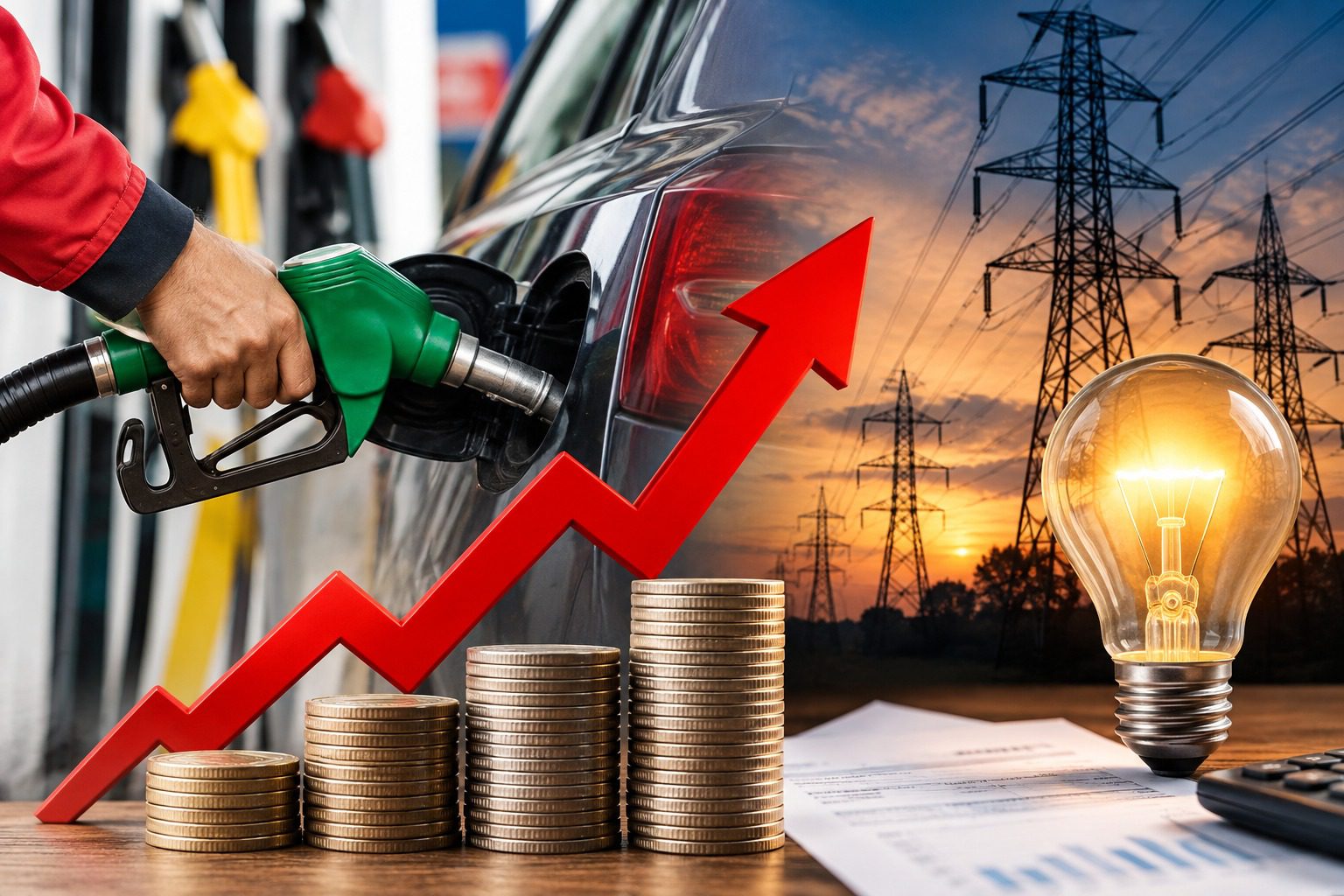
ISLAMABAD: The government on Thursday announced another increase in petroleum prices, raising petrol by Rs3.05 per litre and high-speed diesel (HSD) by Rs5.37 per litre as volatility in international oil markets continues to affect domestic fuel costs.
Following the latest revision, petrol will sell at Rs370.80 per litre, up from Rs367.75, while HSD will rise from Rs392.67 to Rs398.04 per litre.
The revised prices will take effect on September 11, according to a notification issued by the Petroleum Division.
The latest adjustment comes just a day after petrol and diesel prices were increased for September 10, highlighting the impact of Pakistan’s new daily petroleum pricing mechanism amid rapidly changing global energy markets.
Daily fuel pricing mechanism takes effect
The Oil and Gas Regulatory Authority (OGRA) has started publishing daily petroleum prices as part of the government’s new framework designed to pass changes in international oil markets on to domestic consumers more quickly.
Petroleum Minister Ali Pervaiz Malik has said daily prices are calculated using a seven-day average of international market prices, a mechanism intended to smooth short-term fluctuations while reflecting broader movements in global rates.
Under the new system, OGRA is authorised to announce daily ex-depot prices for petrol and high-speed diesel without seeking prior approval from the prime minister or federal government for every revision.
Prices announced on Fridays will remain applicable on Saturdays and Sundays, according to the framework.
The mechanism replaces the earlier system under which petroleum prices were revised every fortnight. A weekly review system had subsequently been introduced following heightened volatility in international energy markets.
Middle East tensions drive oil volatility
The move towards more frequent fuel-price adjustments comes against the backdrop of renewed hostilities in the Middle East and disruption risks surrounding the Strait of Hormuz, a strategically important route for global oil and gas shipments.
The conflict that erupted after US and Israeli attacks on Iran on February 28 triggered severe disruption in regional energy markets. A fragile truce later reduced some immediate pressure, but renewed hostilities have again raised fears over the security of Gulf energy supplies.
For Pakistan, which relies heavily on imported petroleum products and crude oil, sharp movements in global energy prices can quickly increase the import bill and put pressure on inflation, transport costs and the external account.
OGRA given greater pricing role
Under the cabinet-approved framework, domestic petroleum prices are calculated using average international market rates recorded during the preceding seven days.
OGRA will also publish relevant international reference prices as part of efforts to increase transparency in petroleum pricing.
The petroleum levy, however, cannot be increased beyond the limit approved by the federal cabinet. Any change in the levy rate requires approval from the Finance Division.
The daily pricing mechanism also extends to kerosene oil and light diesel oil, according to the framework.
Fuel import rules revised
The government has also revised petroleum import arrangements for fiscal year 2026-27.
Under the new framework, imports of high-speed diesel will be handled exclusively through Pakistan State Oil (PSO), while oil marketing companies will be permitted to import petrol according to their respective market shares.
Companies failing to fulfil their import Pakistan has raised petrol by Rs3.05 to Rs370.80 per litre and high-speed diesel by Rs5.37 to Rs398.04 as global oil volatility continues to feed into daily domestic fuel prices.commitments or required product upliftment obligations could be denied fresh import permissions for up to nine months.
The latest price revision leaves diesel just below the psychologically significant Rs400-per-litre level, while petrol has climbed above Rs370, increasing concerns among consumers and businesses about transport and production costs.
With global oil markets remaining volatile, Pakistan’s daily pricing mechanism means movements in international petroleum prices could now be reflected in domestic rates considerably faster than under the previous fortnightly system.
