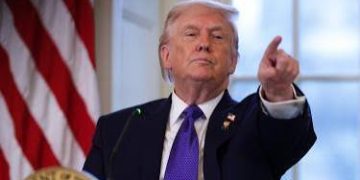



NEW YORK (Web Desk)-The collapse of the Middle East ceasefire has sent shockwaves through the financial heart of the world here in New York. On Monday, President Donald Trump effectively declared the truce dead, comparing its survival chances to a patient on life support after rejecting Iran’s latest demands.
The immediate fallout was felt across global energy markets, as oil prices surged in response to the news. Traders and analysts are now bracing for a prolonged closure of the Strait of Hormuz. Saudi Aramco’s leadership has already warned that the scale of this supply shock is unprecedented, suggesting that even if the waterway were to open today, the global economy might not see a full recovery until 2027.
While the geopolitical standoff centers on naval blockades and nuclear enrichment, humanitarian officials are warning of a secondary disaster. The United Nations reports that the disruption of fertilizer shipments from the Gulf is creating a massive food security risk, putting tens of millions of people at risk of starvation.
In Washington and Tel Aviv, the stance remains unyielding.
While Tehran frames its counteroffer as a pursuit of “legitimate rights” and the release of frozen assets, Prime Minister Benjamin Netanyahu has made it clear that Israel will not consider the conflict over until Iran’s nuclear capabilities are entirely eliminated. With the U.S. now considering renewed military escorts for commercial shipping and Iran declaring its period of restraint finished, the window for a diplomatic resolution appears to be closing.