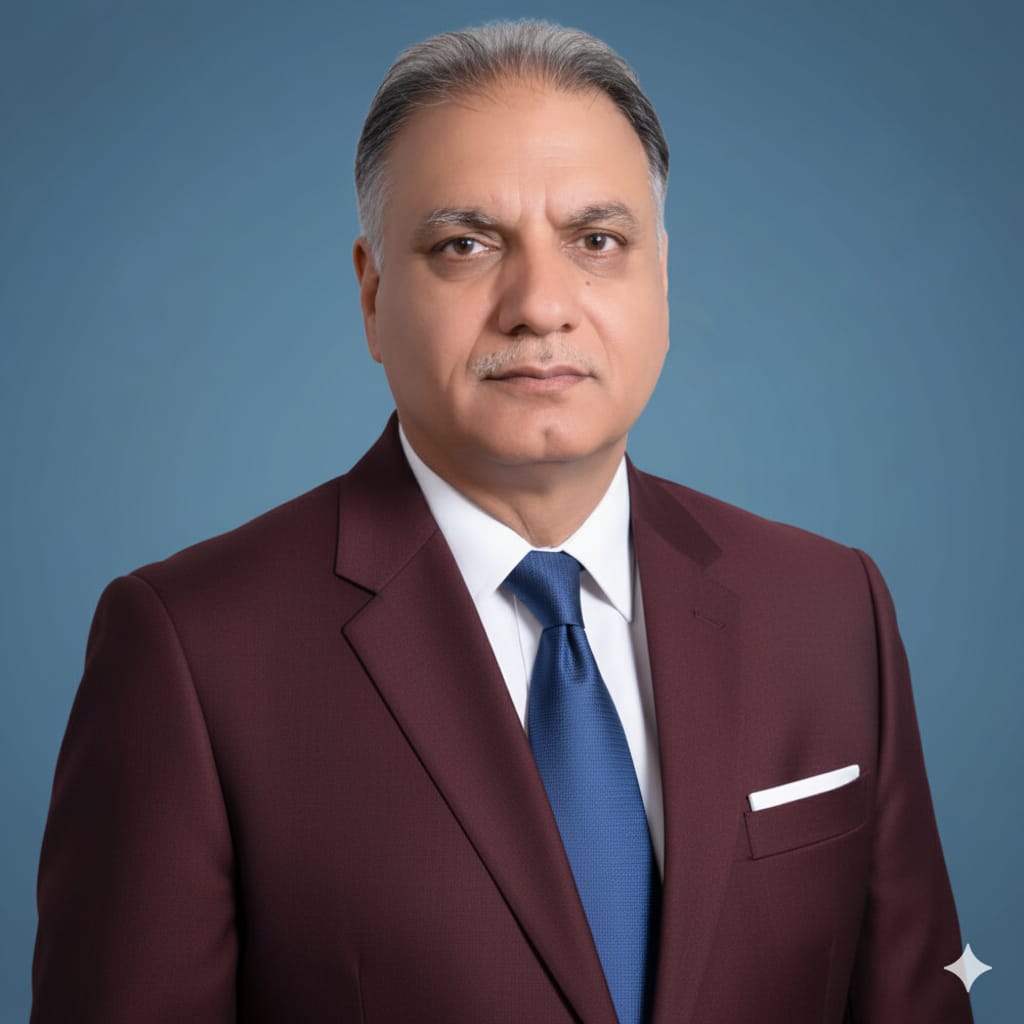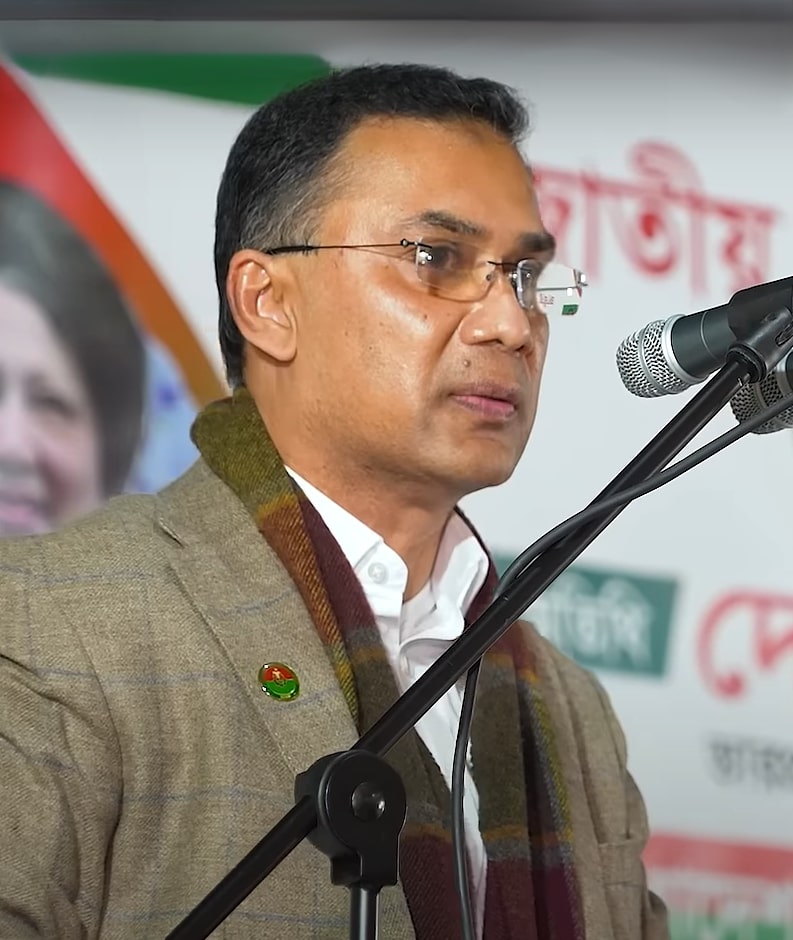



DHAKA, Bangladesh — Tarique Rahman, son of former Prime Minister Khaleda Zia and acting chairman of the Bangladesh Nationalist Party (BNP), returned to Bangladesh on Thursday after more than 17 years in self-imposed exile. His homecoming comes ahead of the country’s general elections scheduled for February 12, 2026.
Rahman, 60, left for London in 2008 for medical treatment after alleging torture during his detention under a military-backed government that ruled from 2006 to 2008. During his years abroad, he remained a key figure in BNP, attending party meetings and rallies virtually, maintaining unity within the party ranks.
His arrival at Hazrat Shahjalal International Airport in Dhaka was marked by tight security and unprecedented crowds. Supporters lined a 2-kilometer stretch from the airport to the reception venue, some camping overnight in anticipation. Rahman’s convoy took around four hours to navigate through the sea of supporters.
Addressing the crowd, Rahman vowed to build a safe and peaceful Bangladesh, emphasizing communal and religious harmony. “I have a plan for the people of my country. Let us build a safe Bangladesh,” he said. “We want peace, peace, peace … we will build a Bangladesh that a mother dreams of.”
Rahman also announced plans to visit his critically ill mother, former Prime Minister Khaleda Zia, who led a coalition government from 2001 until 2006. Zia rose to political prominence after her husband, former President Ziaur Rahman, was assassinated in 1981 and later played a crucial role in toppling a military dictator during a mass uprising in 1990.
Bangladesh currently faces a politically sensitive period under the interim government led by Nobel Peace Prize laureate Muhammad Yunus. The administration has struggled to maintain law and order while attempting to restore democratic governance following the long premiership of Sheikh Hasina, who fled to India last year after a death sentence in absentia for alleged crimes against humanity.
Human rights groups, including Human Rights Watch and Amnesty International, have raised concerns over press freedom and minority rights under the interim government. Rahman, who was previously convicted in multiple cases during Hasina’s rule, has since been acquitted of all charges, including involvement in the 2004 grenade attack on a Hasina rally.
Rahman’s return signals a new chapter in Bangladesh’s political landscape as the nation prepares for elections and a potential shift in leadership.