


By Our Correspondent
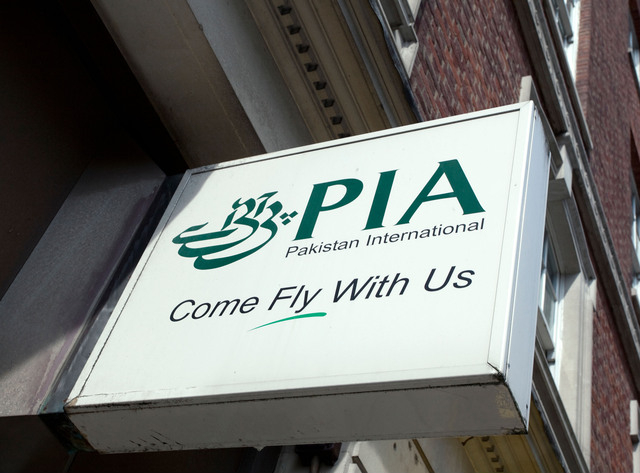
ISLAMABAD: Pakistan’s biggest privatization in nearly two decades has raised questions about the financial and operational structure of the Pakistan International Airlines transaction.
Read also: PIA sale at Rs135 billion: What the winning bidder is expected to gain
The sale of 75 percent shares of PIA for Rs 135 billion, conducted through a televised auction, was presented by officials as a major step toward economic reform. However, analysts note that only a small portion of the total amount is being paid to the government as cash, with the remainder tied to future investment commitments for restructuring and modernizing the airline.
Most of PIA’s legacy debt has been moved into a separate holding company before the sale, meaning the government and taxpayers continue to shoulder historic liabilities, while the new owners take over a financially cleaner entity. Experts say this approach, commonly used internationally in airline privatizations, reduces risks for buyers but leaves the state responsible for past financial burdens. Some critics have also described the deal as more of a political optic and IMF-driven requirement than a purely market-based transaction.
According to government briefings, the restructuring and debt transfer were necessary to attract private bidders and make the airline operationally viable. The televised auction was highlighted by the Ministry of Privatisation as evidence of transparency, designed to build public confidence and align with best-practice standards. Officials also emphasized that the move forms part of Pakistan’s broader economic reform agenda, which aims to reduce the state’s commercial footprint while improving efficiency in public-sector enterprises.
Economic commentators have suggested that the urgency of the transaction may have been influenced by Pakistan’s fiscal environment and prior IMF-supported reforms. However, no official statement indicates external pressure, and the government maintains that privatization is intended to ensure long-term sustainability of the aviation sector.
Observers note that the impact of the PIA divestment will become clearer in the coming months, as the new owners begin operational control, introduce capital expenditure plans, and outline timelines for service improvements. Meanwhile, public debate continues, focusing on how historic liabilities remain with the state while private management assumes a restructured, leaner airline.
Tags: PIA, privatization, aviation, government, taxpayers, economy, Islamabad, policy, auction