


By Commerce Reporter
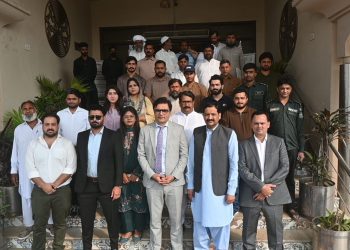
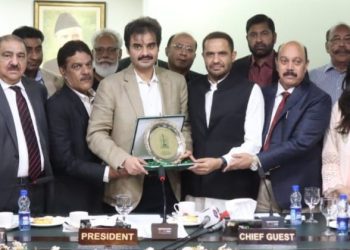
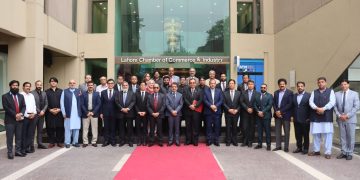
LAHORE —The Lahore Chamber of Commerce & Industry hosted the ASEAN Trade & Tourism Conference, bringing together prominent diplomats and business leaders to promote regional economic cooperation.
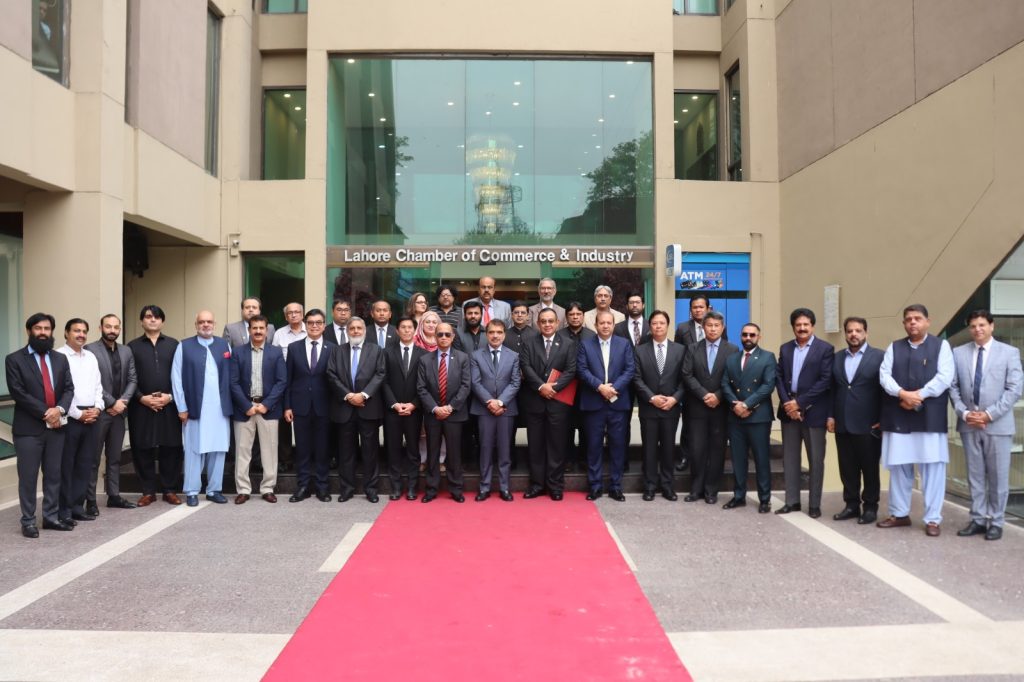
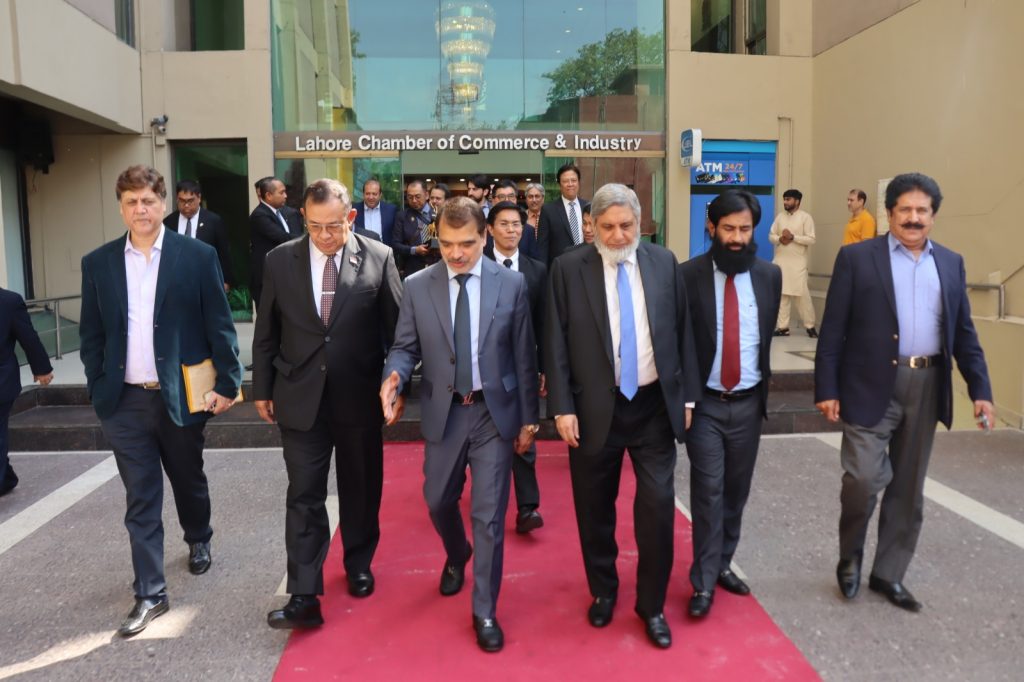
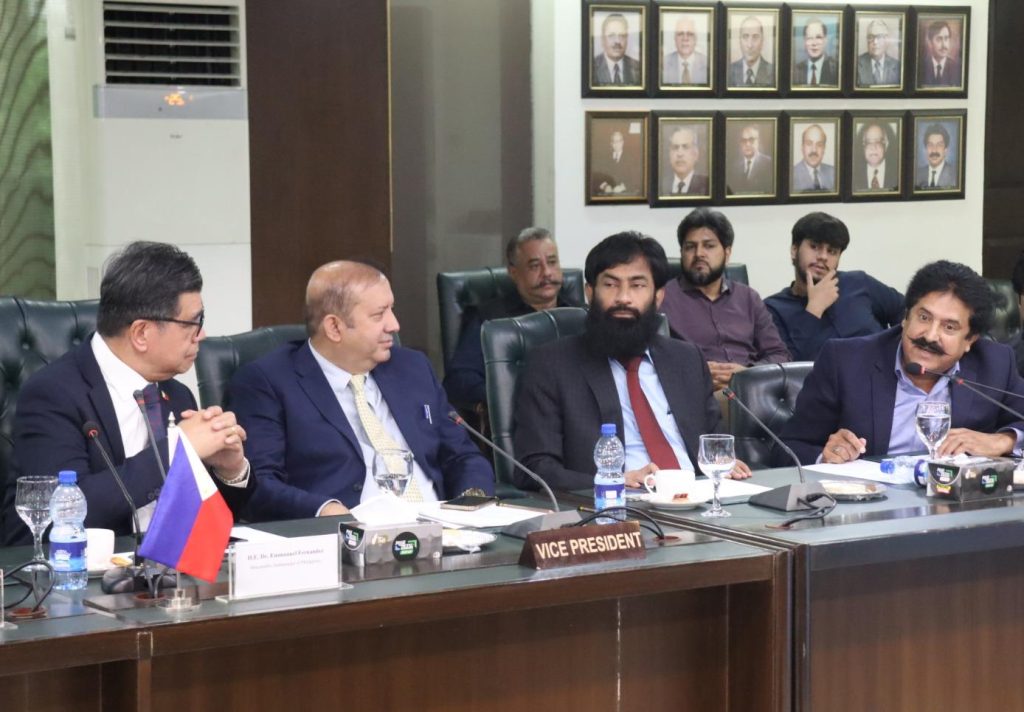
The conference was presided over by LCCI President Faheem-ur-Rehman Saigol. Distinguished participants included Ambassador of Indonesia Chandra Warsenanto Sukotjo, Ambassador of Thailand Rongvudhi Virabutr, High Commissioner of Malaysia Dato Mohammad Azhar Mazlan, High Commissioner of Brunei Darussalam Colonel (R) Pengiran Haji Kamal Bashah, Ambassador of the Philippines Dr. Emmanuel Fernandez, Ambassador of Myanmar Wunna Han, LCCI Senior Vice President Tanveer Ahmad Sheikh, Vice President Khurram Lodhi, Executive Committee members, Convener Raja Hassan Akhtar, Honorary Consul General of Portugal Iftikhar Feroz, and others.
Addressing the conference, LCCI President Faheem-ur-Rehman Saigol highlighted that ASEAN is a highly significant regional bloc with a combined GDP of around $4 trillion. He noted that ASEAN countries’ exports exceed $1.6 trillion, whereas Pakistan’s exports to the region stand at only $1.37 billion, which is extremely low.
He pointed out that major barriers include complex quality certifications, sanitary and phytosanitary measures, and import permit requirements, which must be eased or eliminated. Removing these hurdles, he said, could significantly boost Pakistan’s exports of halal meat, agricultural products, and pharmaceuticals.
He further stated that high import tariffs in several ASEAN countries are hindering Pakistan’s textile and leather exports, limiting market access. He stressed the need for Free Trade Agreements (FTAs) with ASEAN countries, improved direct flights and shipping connectivity, easier visa policies, and joint tourism promotion campaigns and travel packages. He also emphasized that Pakistan is performing well in the IT sector and should focus on increasing digital services exports to ASEAN markets.
Indonesian Ambassador Chandra Warsenanto Sukotjo described ASEAN as an emerging consumer market of 680 million people with rising purchasing power. He said Pakistan, as a key South Asian country, can play an effective role in ASEAN supply chains. He noted that Indonesia, with a $1.4 trillion economy, is part of the G20 and has maintained a growth rate of around 5 percent in recent years, focusing on food security, energy security, renewable energy, and digital transformation.
Malaysian High Commissioner Dato Mohammad Azhar Mazlan stated that tensions involving the United States, Iran, and Israel have impacted businesses across the region, including ASEAN. He said Pakistan can play an important role in easing these tensions and added that Malaysia supports Pakistan’s foreign and economic policies. He further shared that Malaysia has declared the current year as “Visit Malaysia Year” and invited Pakistanis to visit. He also noted that fuel prices in Malaysia have increased due to the prevailing global situation and extended an invitation to the LCCI President to visit Malaysia with a delegation.
High Commissioner of Brunei Darussalam Colonel (R) Pengiran Haji Kamal Bashah said Brunei is a strategic country offering an effective platform for ASEAN cooperation. He highlighted Brunei’s focus on economic diversification, employment generation, and macroeconomic stability, while encouraging foreign investment in petrochemicals, tourism, food industry, manufacturing, and IT sectors.
Myanmar Ambassador Wunna Han stated that Pakistan and Myanmar share historical ties and can enhance business opportunities by removing trade barriers. He added that Myanmar is an agricultural country with gemstones among its key exports.
Thai Ambassador Rongvudhi Virabutr expressed optimism that a Preferential Trade Agreement (PTA) between Pakistan and Thailand is expected soon, which could reduce tariffs to between zero and five percent, significantly boosting bilateral trade. He emphasized the need for simplified economic systems and the implementation of paperless customs procedures.
Philippine Ambassador Dr. Emmanuel Fernandez highlighted that the Philippines provides one of the world’s best workforces and is a major exporter of electronics, machinery, and steel. He said the Philippines is currently focusing on pharmaceuticals, agriculture, food security, industry, investment, and the digital economy.