



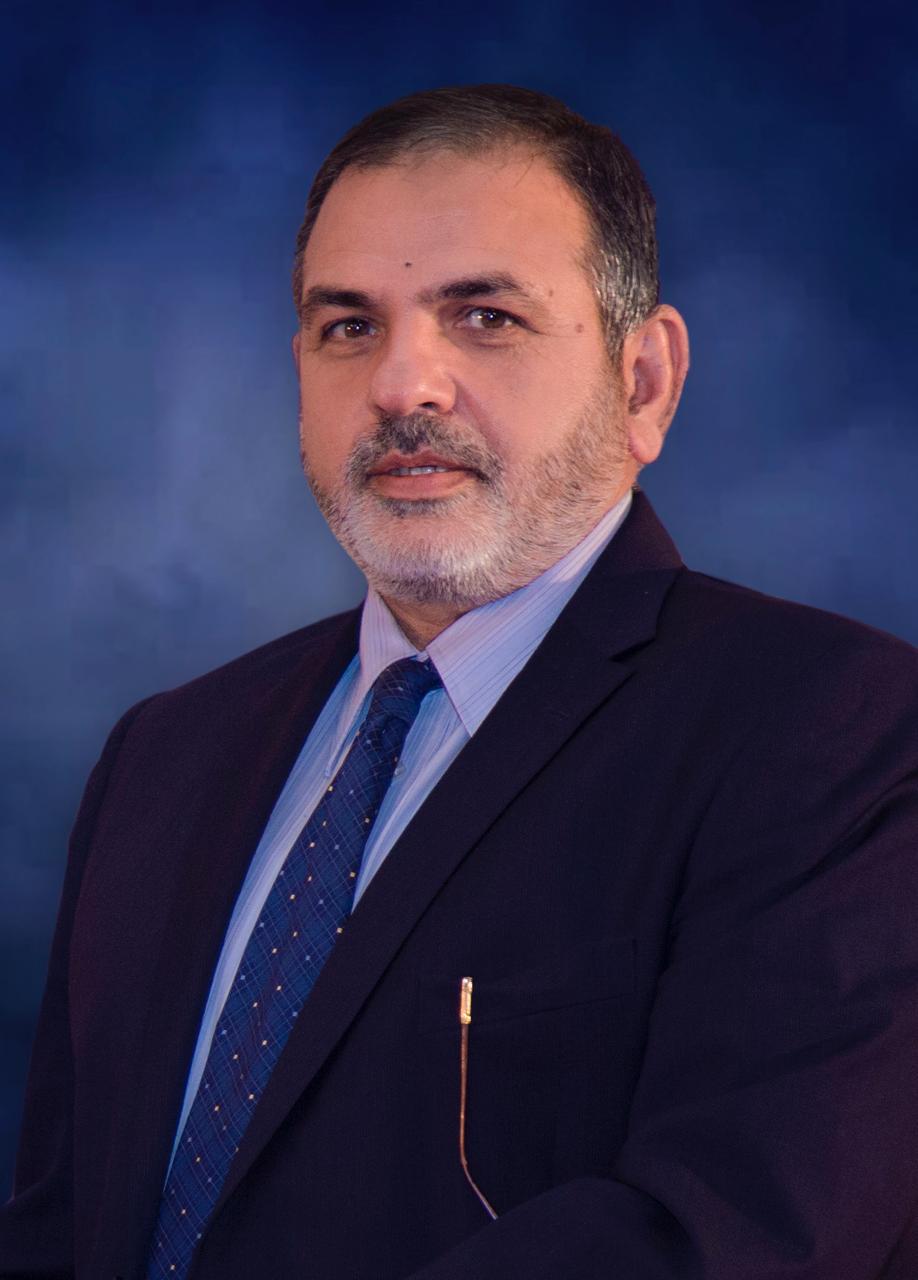
By Our Correspondent
LAHORE: The Pak International Business Forum (PIBF) has strongly condemned the recent increase in the policy rate by the State Bank of Pakistan, describing the move as detrimental to industrial growth and broader economic stability at a time when businesses are already facing mounting challenges.
In a statement issued Tuesday, PIBF President Dr Mushtaq Mangat said the interest rate hike has come at a particularly difficult time for the business community, which is struggling with multiple cost pressures, including persistently high petroleum prices, elevated electricity tariffs and rising diesel costs. He said these factors have substantially increased the cost of production and transportation across industries.
“The government should have focused on easing the financial burden on businesses rather than further tightening monetary conditions,” he said, adding that expensive borrowing would discourage industrial expansion, delay fresh investments and ultimately slow economic activity.
Dr Mangat warned that higher financing costs would affect not only large-scale manufacturing but also severely impact small and medium enterprises (SMEs), many of which rely heavily on bank credit for working capital and operational sustainability.
PIBF General Secretary Muhammad Ejaz Tanveer said the rise in interest rates would increase the cost of doing business, making Pakistani products less competitive in both domestic and international markets. He noted that industries are already operating under thin margins due to escalating input costs, and additional financial burdens could force many businesses to scale back operations or postpone expansion plans.
He cautioned that such policy measures could trigger a broader chain reaction, leading to reduced production, declining exports and potential job losses. “At a time when economic revival is crucial, policies that restrict liquidity and increase costs can have long-term adverse consequences,” he said.
Chief Organiser Muaz Qazi echoed these concerns, saying the combined impact of high energy prices, expensive fuel and costly credit is placing unsustainable pressure on the industrial sector. He noted that rising diesel prices have already increased transportation costs, adding to supply chain inefficiencies and overall business expenses.
“The industry is being squeezed from all sides. Without immediate relief measures, we risk witnessing a slowdown in industrial output, reduced investor confidence and rising unemployment,” he warned.
PIBF urged the government and policymakers to adopt urgent business-friendly measures, including rationalizing energy tariffs, stabilizing fuel prices and ensuring affordable access to credit for industries. The forum stressed that a balanced and growth-oriented policy approach is essential to support industry, encourage investment and steer the economy toward sustainable recovery.
According to PIBF leaders, reducing the cost burden on businesses and restoring investor confidence should remain central to economic policymaking, particularly at a time when industrial growth and export competitiveness are critical for national economic stability.