
Advertisemnet

Advertisemnet

  • Home
  • Latest
  • Top News
  • Pakistan
    • Local News
    • Crime
    • Interview
    • Politics
    • Health
  • Business
    • Business
    • FBR & Customs
    • Tech
  • World
    • Iran-US-Israel war
  • Epaper
  • Entertainment
    • History in focus
      • NGOs
      • Weird
      • Word of the day
  • Opinion
    • Letter to Editor
    • News Analysis
  • Sports
    • Cricket
  • Advertise
Sunday, July 12, 2026
  • Login
The Tribune International
  • Home
  • Latest
  • Top News
  • Pakistan
    • Local News
    • Crime
    • Interview
    • Politics
    • Health
  • Business
    • Business
    • FBR & Customs
    • Tech
  • World
    • Iran-US-Israel war
  • Epaper
  • Entertainment
    • History in focus
      • NGOs
      • Weird
      • Word of the day
  • Opinion
    • Letter to Editor
    • News Analysis
  • Sports
    • Cricket
  • Advertise
No Result
View All Result
  • Home
  • Latest
  • Top News
  • Pakistan
    • Local News
    • Crime
    • Interview
    • Politics
    • Health
  • Business
    • Business
    • FBR & Customs
    • Tech
  • World
    • Iran-US-Israel war
  • Epaper
  • Entertainment
    • History in focus
      • NGOs
      • Weird
      • Word of the day
  • Opinion
    • Letter to Editor
    • News Analysis
  • Sports
    • Cricket
  • Advertise
No Result
View All Result
The Tribune International
No Result
View All Result
  • Home
  • Top News
  • World
  • Pakistan
  • Epaper
  • Entertainment
  • Opinion
  • Sports
  • Business
  • History in focus
Home Opinion

Only a business-friendly Pakistan can deliver sustainable revenue growth

December 4, 2025
in Opinion
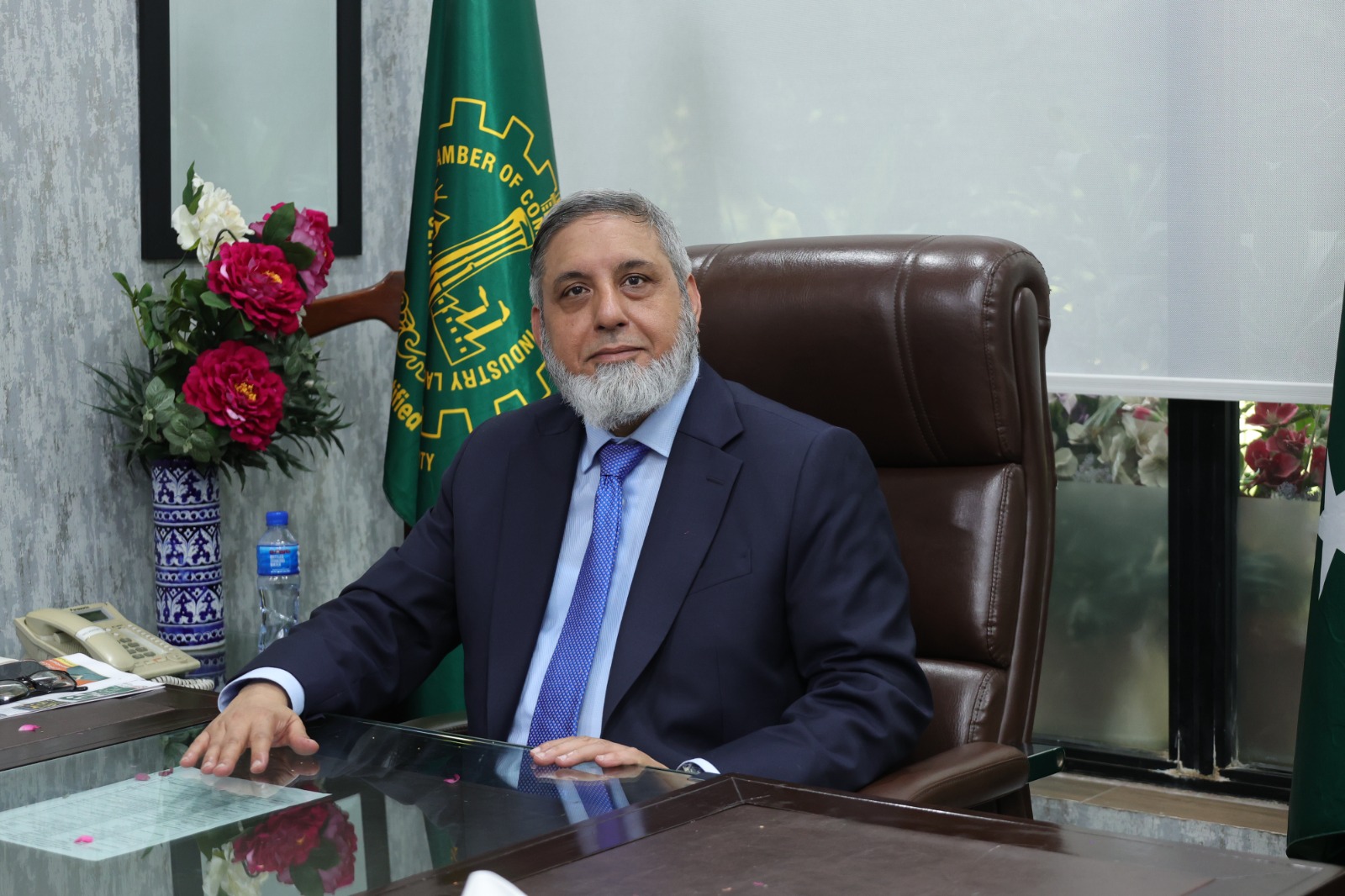
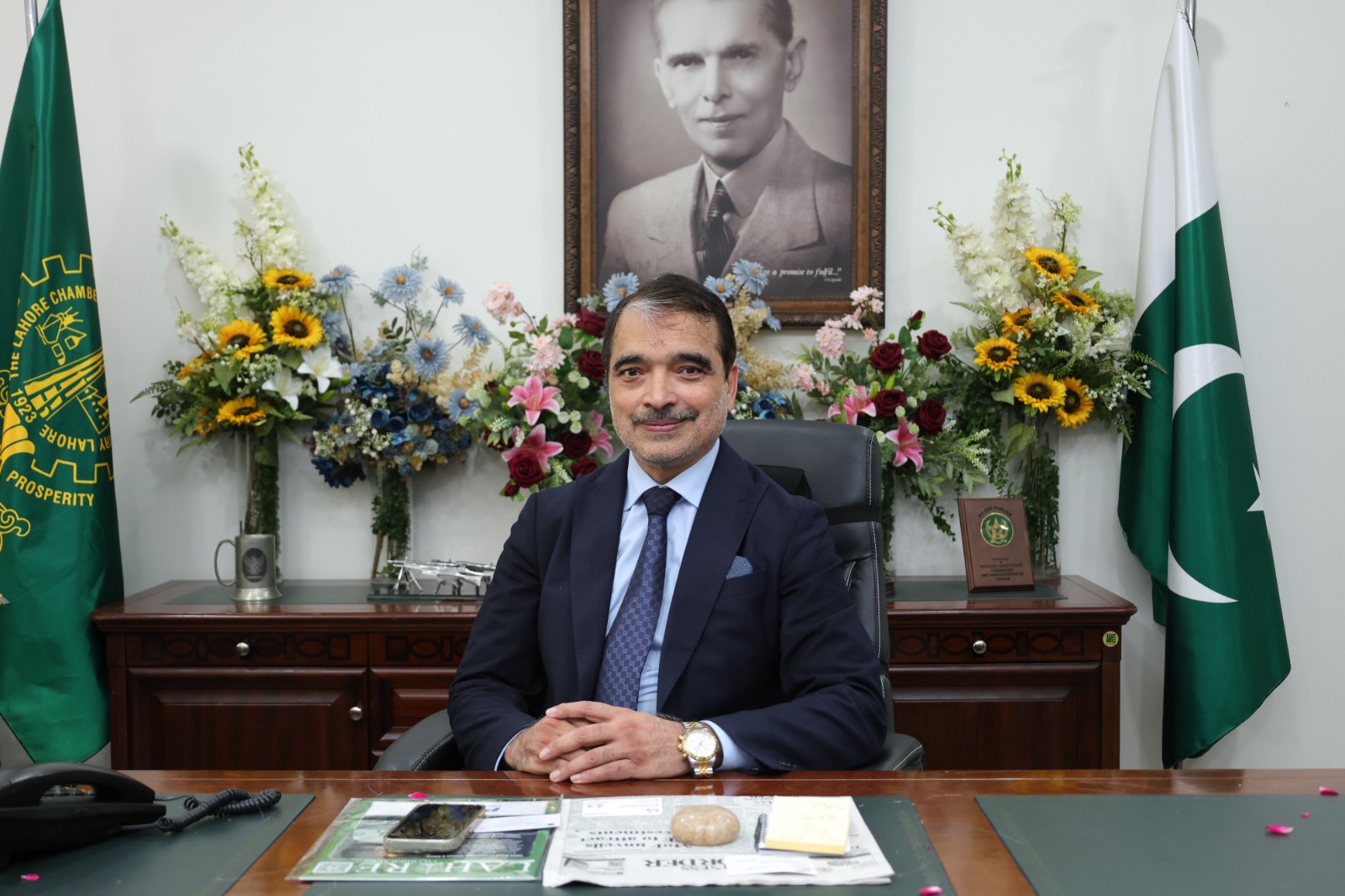
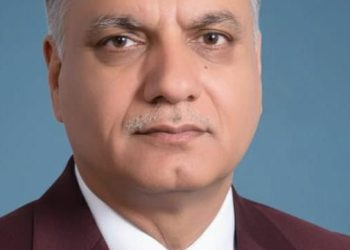
Faheem-ur-Rehman Saigol calls for SME industrial zones and public-private partnership to revive Pakistan’s economy


By Faheem-ur-Rehman Saigol, President
Lahore Chamber of Commerce & Industry (LCCI)

The recent shortfall in revenue collection recorded by the Federal Board of Revenue (FBR) should serve as a wake-up call for policymakers. While the government has set ambitious fiscal targets, the prevailing policy environment continues to discourage growth rather than support it. No tax system can perform efficiently in an atmosphere of fear, uncertainty, and administrative harassment. For Pakistan to meet its revenue goals, the state must first create the conditions that allow businesses to breathe, operate, and expand.

The businessfolk has long been emphasizing that economic growth and revenue growth go hand in hand. Taxes are not generated by coercion; they are generated when businesses are encouraged to invest, innovate, and scale up operations. The private sector, whether in industry, trade, services, technology, or manufacturing, cannot thrive when it is burdened by unpredictable policies, constant audits, aggressive raids, and discretionary powers that create anxiety rather than confidence.

It is time for the government to accept a simple economic truth: Ease of doing business is not a slogan, it is the backbone of revenue generation. Countries that collect high taxes are not those that intimidate their entrepreneurs but those that empower them. Pakistan must follow the same path.

The current environment, unfortunately, is characterized by a widening trust deficit between taxpayers and the authorities. Instead of broadening the tax base, the administrative machinery has repeatedly targeted the already-documented sector. This approach has neither increased revenue nor strengthened the economy. On the contrary, it has weakened investor confidence, slowed down industrial activity, and pushed many small and medium enterprises to the brink of closure.

To meet its goals, the government must adopt a more enlightened, pro-growth framework. I urge the authorities to undertake the following reforms:
First, end the policy of harassment. No entrepreneur should fear an FBR notice every other day. The tax ecosystem should be based on facilitation, not intimidation. When businesses feel respected, they voluntarily comply.
Second, simplify the tax system. Multiple, overlapping taxes and complex procedures create inefficiencies that discourage formalization. The government should move towards automation, single-window systems, predictable deadlines, and clear rules that eliminate discretionary judgment.

RelatedPosts

Justice, stability, and national unity: A roadmap for Balochistan and Pakistan’s global image

Dynastic democracy and the closed political market

Mohsin Naqvi: Silent leadership, effective governance, and the emergence of a modern state administrator

Third, restore confidence through engagement. Before introducing any new tax measure, the government must consult chambers of commerce, trade bodies, and sector-specific associations. Policies made in isolation will continue to fail.

Fourth, incentivize industrial expansion. Revenue cannot grow when industries operate below 50% capacity. The government must help reduce the cost of doing business through competitive energy tariffs, stable exchange rate policies, and access to finance at reasonable markup rates. When factories run, when exports grow, when local production increases—only then does the tax base expand sustainably.
Fifth, bring the undocumented sector into the mainstream. The honest, registered taxpayer should not carry the entire burden of national revenue. Technology, data integration, and digitization can easily help identify non-filers. But enforcement must be fair, uniform, and completely free from political or administrative influence.
Pakistan is facing economic challenges, but solutions are within reach. The state must recognize the private sector as a partner, not an adversary. The government needs revenue; the business community needs a stable environment.

These are not competing objectives—these are complementary goals.
If Pakistan truly wants to achieve its revenue targets, it must abandon the outdated belief that more pressure equals more tax. Modern economies grow through collaboration, trust, and an enabling ecosystem. A business-friendly Pakistan will automatically become a revenue-rich Pakistan.

As President of the Lahore Chamber of Commerce & Industry, I emphasize with full responsibility: Let business grow, and revenue will grow on its own. The government must shift from a culture of coercion to a vision of facilitation. Only then can we build a prosperous, stable, and economically confident Pakistan.
Tags: [:en]LccI[:]**Tags:** business-friendly policiesand ensure sustainable revenue growth.and mainstream the undocumented sector. He stresses that only a business-friendly environment can boost investmentcut costsEase of Doing BusinessEconomic Stabilityengage businessesexpand the tax baseFaheem ur Rehman SaigolFBRgovernment policiesindustrial expansionInvestor ConfidencePakistan Economyprivate sector **40-word Summary:** LCCI President Faheem-ur-Rehman Saigol urges the government to end harassmentrevenue growthrevive industrysimplify taxesTax Reformstaxation systemUndocumented Sector

Related Posts

Justice, stability, and national unity: A roadmap for Balochistan and Pakistan’s global image
Opinion

Justice, stability, and national unity: A roadmap for Balochistan and Pakistan’s global image

July 8, 2026
0
Dynastic democracy and the closed political market
Opinion

Dynastic democracy and the closed political market

July 7, 2026
0
Bilawal Bhutto Zardari: Steering Pakistan back to global relevance
Opinion

Mohsin Naqvi: Silent leadership, effective governance, and the emergence of a modern state administrator

July 6, 2026
0
Pakistan’s infrastructure crisis: Who holds the blueprint for structural and economic collapse?
Opinion

Pakistan’s infrastructure crisis: Who holds the blueprint for structural and economic collapse?

July 3, 2026
0
Tragedy upon tragedy: Who is responsible for the deaths of innocent children in Baghbanpura and Kahna?
Opinion

Tragedy upon tragedy: Who is responsible for the deaths of innocent children in Baghbanpura and Kahna?

July 3, 2026
0
Tradition in blue: Reimagining Multani craft for a contemporary Aage
Opinion

Tradition in blue: Reimagining Multani craft for a contemporary Aage

July 1, 2026
0

History

Newsletter

July 2026
M T W T F S S
 12345
6789101112
13141516171819
20212223242526
2728293031  
« Jun    

Recent Comments

  • The Tribune International on Renowned Pakistani singer and composer Tafo’s son Tariq Tafoo passes away
  • Prime Minister announces Rs12 reduction in petrol prices in address to nation - The Tribune on Rs80 per litre in levy cut to bring petrol price to Rs378

Stay connected with us

July 2026
M T W T F S S
 12345
6789101112
13141516171819
20212223242526
2728293031  
« Jun    

Categories

Newsletter

  • About Us
  • Blog
  • Blog
  • Checkout
  • Contact Us
  • Disclaimer
  • My account
  • Privacy Policy
  • Terms and Conditions
  • 📰 Advertise With Us
Reach us: THETRIBUNEINTL@GMAIL.COM Disclaimer: Tribune International is an independent platform, not affiliated with any other organisation.

© 2026 JNews - Premium WordPress news & magazine theme by Jegtheme.

Welcome Back!

Sign In with Facebook
Sign In with Google
Sign In with Linked In
OR

Login to your account below

Forgotten Password?

Retrieve your password

Please enter your username or email address to reset your password.

Log In
Translate »

Add New Playlist

No Result
View All Result
  • Home
  • Latest
  • Top News
  • Pakistan
    • Local News
    • Crime
    • Interview
    • Politics
    • Health
  • Business
    • Business
    • FBR & Customs
    • Tech
  • World
    • Iran-US-Israel war
  • Epaper
  • Entertainment
    • History in focus
      • NGOs
      • Weird
      • Word of the day
  • Opinion
    • Letter to Editor
    • News Analysis
  • Sports
    • Cricket
  • Advertise

© 2026 JNews - Premium WordPress news & magazine theme by Jegtheme.

wpDiscuz
1
0
Would love your thoughts, please comment.x
()
x
| Reply