


BEIRUT / JERUSALEM (Agencies) – Cross-border skirmishes between Hezbollah and Israeli forces continued on Sunday, with renewed artillery exchanges and drone activity reported along the southern Lebanon frontier, as the humanitarian toll in Lebanon climbed to 3,593 deaths, according to local health authorities.
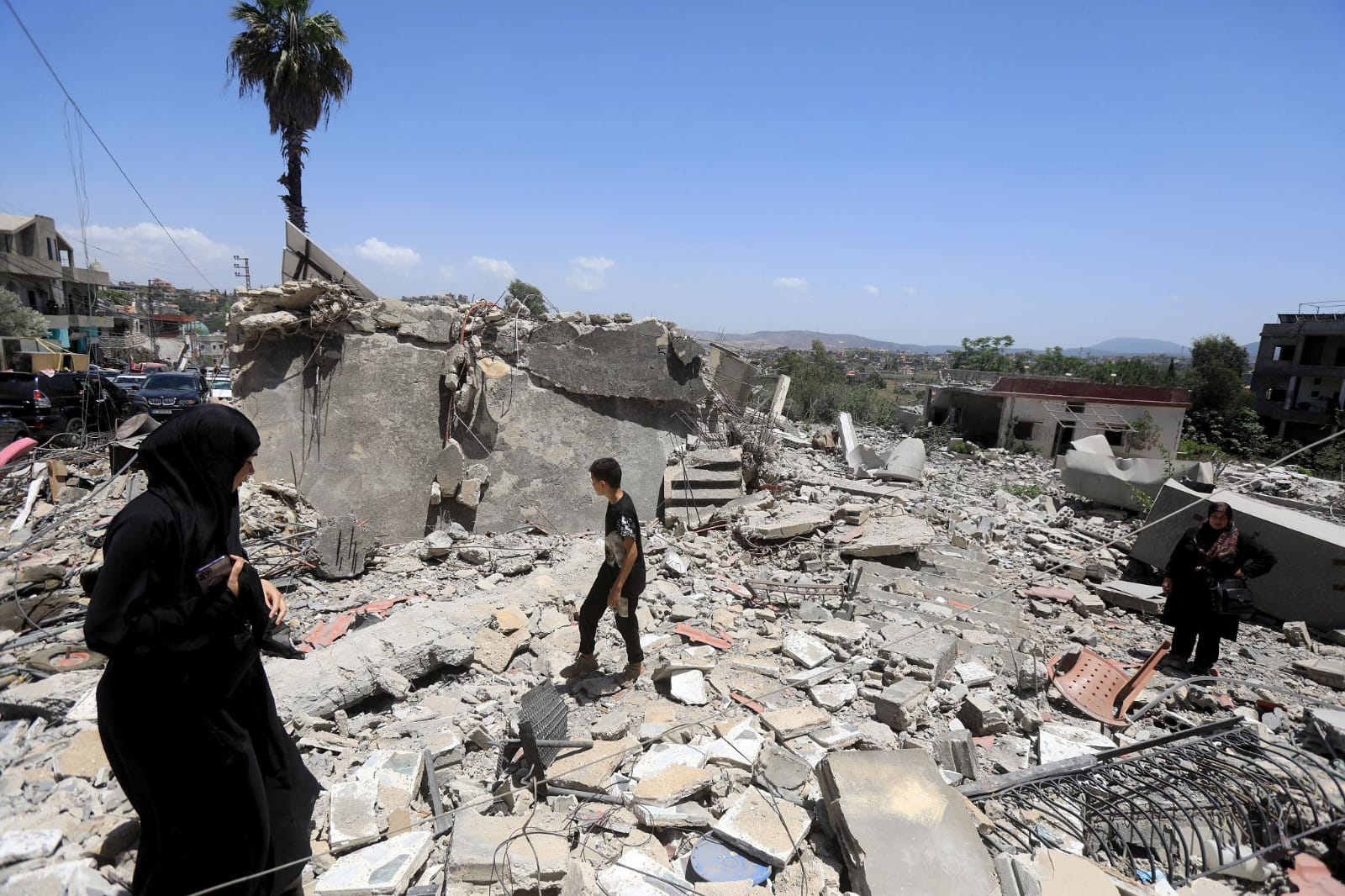
The ongoing conflict, which has intensified over recent months, remains concentrated along the volatile Israel-Lebanon border but has increasingly affected civilian areas deeper inside Lebanon, raising alarm among international observers and aid agencies.
Hezbollah has continued launching rockets and anti-tank missiles toward northern Israel, while the Israeli military has responded with airstrikes targeting what it describes as Hezbollah infrastructure, weapons depots, and command positions in southern Lebanon. Both sides have reported intermittent tactical gains, but neither has indicated willingness to de-escalate.
Lebanese officials say the rising death toll includes a significant number of civilians, with thousands more injured and many displaced from border villages. Temporary shelters in Beirut, Tyre, and surrounding regions are reportedly overcrowded, with shortages of food, medical supplies, and electricity worsening conditions.
Israel, meanwhile, has reported damage to infrastructure in northern towns, along with sporadic injuries caused by rocket fire. The Israeli government maintains that its operations are aimed at preventing Hezbollah from establishing deeper operational capacity along the border.
HUMANITARIAN IMPACT
The continued escalation has placed Lebanon under severe humanitarian strain. Aid agencies warn that hospitals are operating beyond capacity, while fuel shortages are disrupting emergency services. Displacement figures continue to rise as families flee border regions for safer areas inland.
International organizations have renewed calls for an immediate ceasefire, warning that continued fighting risks destabilizing the wider region. Diplomatic efforts, however, have so far failed to produce a durable pause in hostilities.
The clashes are widely seen as part of the broader spillover from the Israel-Gaza war, with Hezbollah positioning its actions as solidarity with Palestinians, while Israel frames its operations as a defensive response to cross-border threats.
Analysts warn that sustained escalation between Hezbollah and Israel could draw additional regional actors into the conflict, increasing the risk of a wider Middle East confrontation.
Despite mounting casualties and international pressure, neither side appears ready to commit to de-escalation. Security experts suggest that without a negotiated framework or external diplomatic breakthrough, intermittent fighting may continue for the foreseeable future.
The coming weeks are expected to be critical, as global powers intensify diplomatic engagement to prevent further escalation along the northern Israeli front.
In Pakistan, the situation is being closely monitored by policymakers and strategic analysts, particularly due to its implications for regional stability and energy markets. Any prolonged escalation in the Middle East could influence oil prices, trade flows, and diplomatic alignments, adding pressure on Pakistan’s already fragile economic recovery.


