


Dr. Alamdar Hussain Malik
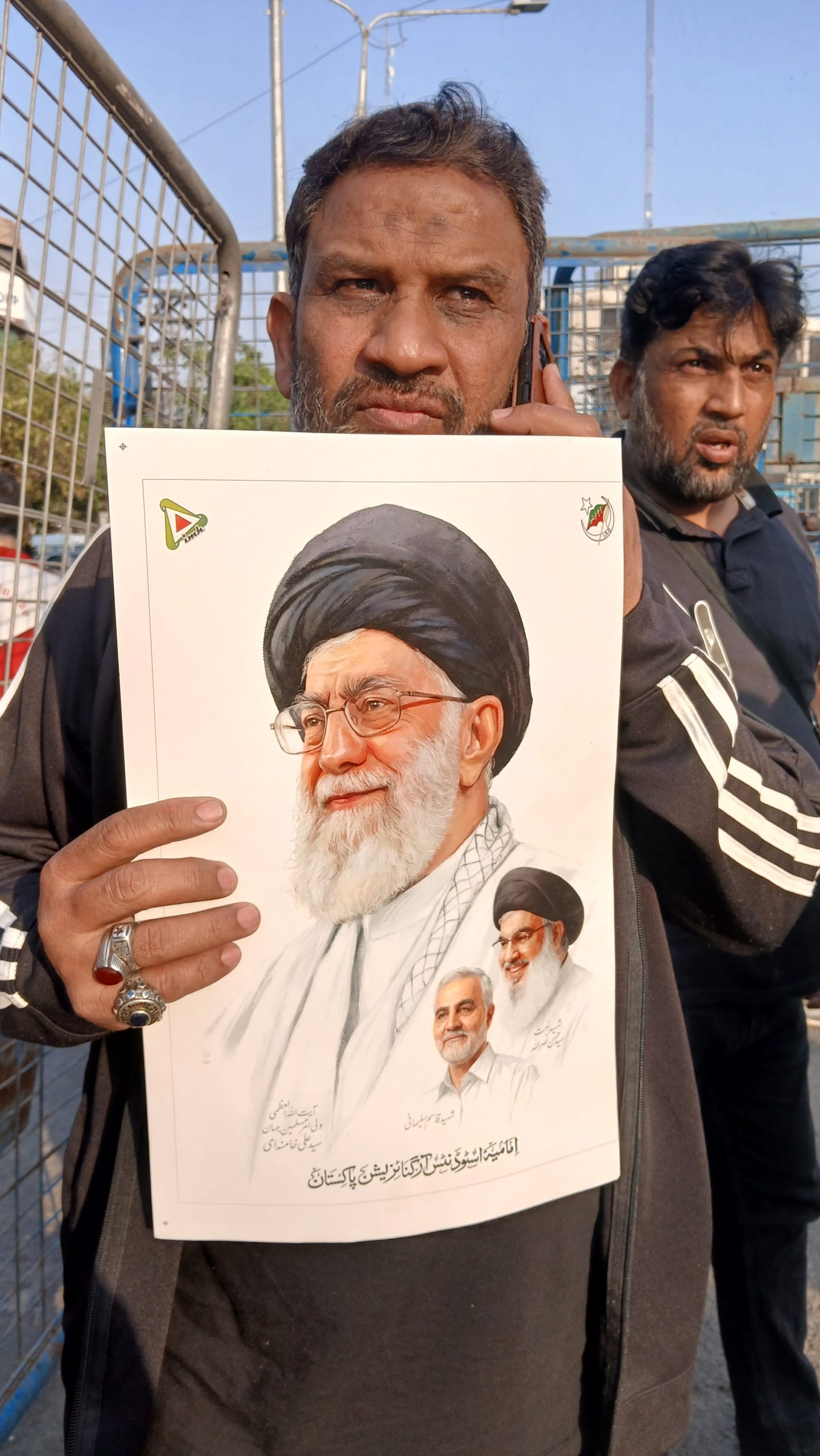
Ayatollah Sayyid Ali Hosseini Khamenei, born in 1939 in Mashhad, served as the Supreme Leader of Iran from 1989 until his reported assassination in March 2026. Emerging as a prominent cleric and close associate of Ruhollah Khomeini during the 1979 Islamic Revolution, Khamenei survived an assassination attempt in 1981 that left his right arm partially paralyzed. He served as Iran’s President from 1981 to 1989, before being appointed Supreme Leader upon Khomeini’s death, assuming ultimate authority over Iran’s armed forces, judiciary, intelligence services, and major strategic institutions. Over more than three decades, he became the central figure shaping Iran’s political structure, regional influence, and foreign policy.
Read also: Khamenei assassinated in major US-Israel strike, Iran vows Retaliation
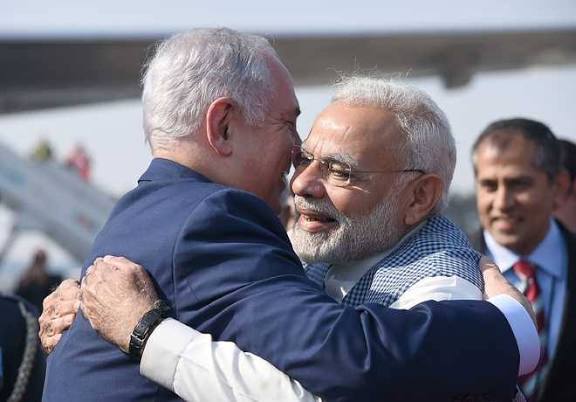
The reported assassination occurred against a backdrop of heightened regional tensions and shifting global alliances. The United States has long viewed Iran as a strategic adversary, imposing sanctions, conducting military operations, and maintaining a significant presence in the Gulf to safeguard energy corridors and regional allies. Israel, viewing Iran’s nuclear ambitions and regional proxy networks as existential threats, has often carried out preemptive operations in Syria, Iraq, and other neighboring territories. India, whose Prime Minister recently visited the region, is a rising strategic actor seeking energy security and expanded regional influence while carefully balancing relations with Iran, the Gulf states, and the United States. Turkey, historically a regional mediator and a member of NATO, has also played a complex role, supporting Sunni allies while maintaining economic and political ties with Tehran. Understanding the interests and interplay of these powers is essential to assess the implications of Khamenei’s assassination.
For decades, Khamenei directed Iran’s regional policy, expanding influence through alliances and strategic partnerships across the Middle East. Tehran’s policies in Iraq, Syria, Lebanon, and Yemen reflected his long-term objective of countering Western and Israeli influence. To supporters, he symbolized resistance and sovereignty; to critics, he embodied Iran’s hardline stance and confrontational foreign policy.
The assassination has significantly altered the strategic balance in the region. Targeting a sitting supreme leader crosses a historic threshold in state conflict and signals a shift from indirect confrontation toward direct leadership decapitation strategies. Such an act raises profound legal and diplomatic questions under international law and challenges long-standing norms of sovereignty.
Globally, the impact has been immediate. Energy markets reacted sharply amid concerns about potential disruptions in the Strait of Hormuz, a critical corridor for global oil shipments. Major world powers, including Russia and China, are closely monitoring developments, while European states have urged restraint and diplomatic engagement. The possibility of a wider regional war—either directly between states or through proxy forces—remains a serious concern.
Within Iran, the consequences are equally significant. The Supreme Leader holds ultimate authority over the military, judiciary, and key governing bodies, including the Islamic Revolutionary Guard Corps. His sudden removal creates uncertainty regarding succession and internal power dynamics. Hardline factions may consolidate control, potentially intensifying regional tensions, while other political elements could view the crisis as an opportunity for recalibration.
For Pakistan, the implications are particularly profound. Sharing a long border with Iran in Balochistan, Pakistan is geographically and strategically exposed to any instability in its western neighbor. Islamabad has historically maintained balanced relations with Tehran while also preserving ties with the United States, India, and Gulf states. This delicate diplomatic balance now faces greater strain.
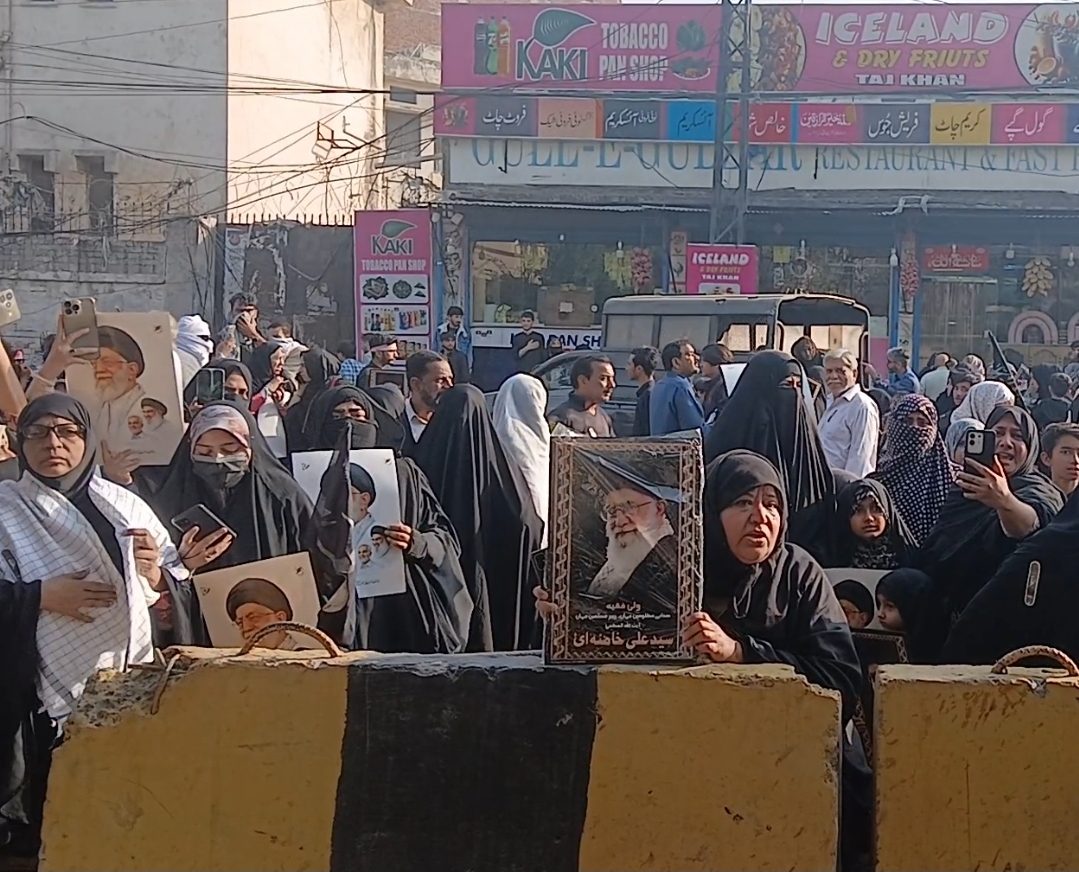
In the coming months, Pakistan is likely to face heightened security challenges, including increased cross-border militancy, potential infiltration by armed groups, and rising sectarian tensions domestically. The escalation in Iran could strain Pakistan’s border security forces and intelligence services, forcing a diversion of resources from other domestic priorities.
Economically, the nation could experience rising energy costs, inflationary pressures, and trade disruptions, especially if regional instability affects the Strait of Hormuz or key supply chains. This will place additional stress on Pakistan’s already fragile economy and foreign exchange reserves.
Diplomatically, Pakistan will walk a tightrope, needing to maintain neutrality while managing pressure from global powers and neighboring states. Its strategic decisions during this period could define its regional credibility, influence in the Muslim world, and long-term relations with Iran, India, the Gulf states, and China.
The reported assassination of Ayatollah Sayyid Ali Hosseini Khamenei is not merely a regional incident; it is a seismic geopolitical rupture with repercussions that could reshape the balance of power across the Middle East and South Asia. It challenges established norms of international conduct, escalates strategic rivalries to unprecedented levels, and plunges the region into heightened uncertainty and volatility. Notably, all of this has unfolded shortly after the visit of India’s Prime Minister to the region, adding a crucial geopolitical dimension and raising questions about timing and intent. This assassination is the latest in a deliberate sequence of targeted interventions that began in Egypt, continued through Libya and Iraq, and has now culminated in Iran, highlighting a pattern of aggressive disruption in the region.
For over two billion Muslims worldwide, this tragedy is not simple to digest, and in the coming time, the price of this assassination will be beyond human imagination, with consequences that may reverberate across nations, economies, and generations.
In the coming months, the world is likely to witness a chain reaction of political, military, and economic consequences. Hardline factions in Iran may launch retaliatory strikes against U.S. and Israeli interests through direct and proxy operations, while internal succession dynamics determine the nation’s policy trajectory. Pakistan will face border security pressures, potential refugee inflows, and domestic political protests, requiring careful neutrality and strategic diplomacy. Across the Middle East, the assassination could intensify proxy conflicts, accelerate an arms race, and reshape alliances, leaving countries like Egypt, Libya, and Iraq in continued instability.
Globally, energy markets may remain volatile, while major powers such as Russia, China, India, and Turkey adjust their policies to the shifting balance.
The assassination of Ayatollah Sayyid Ali Hosseini Khamenei is not just a regional event but a turning point that will define the strategic, political, and economic landscape of the Middle East and South Asia for years to come. For Pakistan and the wider Muslim world, the coming months will be a test of prudence, resilience, and foresight, with stakes that extend far beyond immediate borders. Pakistan’s ability to navigate security, economic, and diplomatic challenges successfully during this period will directly influence its future stability and regional standing.