


[videopress DQJNszU1]
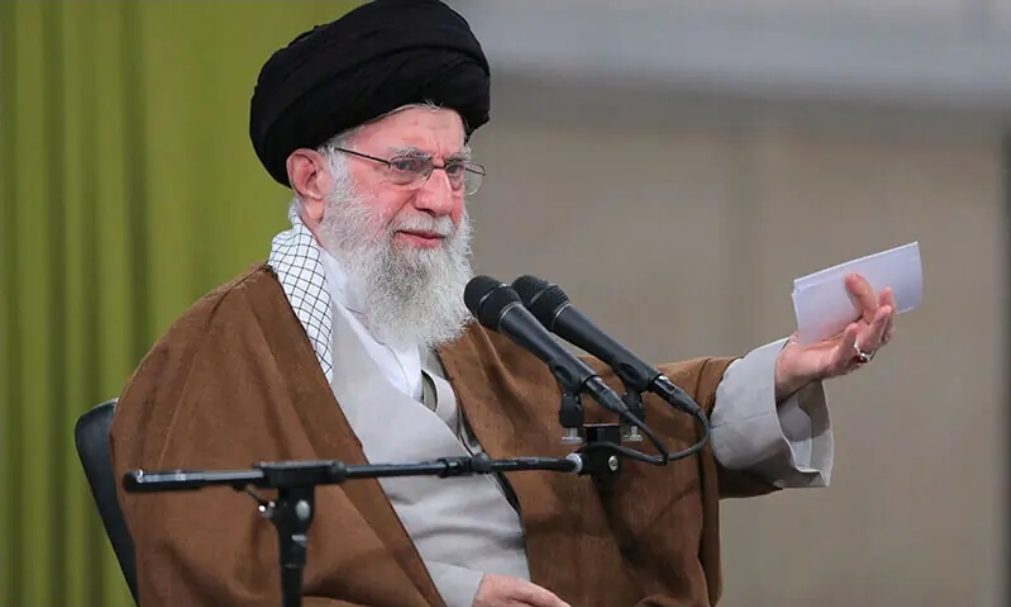
TEHRAN (Web Desk) – Ali Khamenei, Iran’s Supreme Leader since 1989, was assassinated in a large-scale military strike launched by the United States and Israel, according to Iranian state media.
The announcement came Sunday morning, a day after coordinated strikes targeted key Iranian military and government sites. Iranian officials said Khamenei was present at his office when the “cowardly attack” occurred in the early hours of Saturday.
Read also: US, Israel launch pre-emptive strikes on Iran; Tehran, Tel Aviv close airspace amid escalation
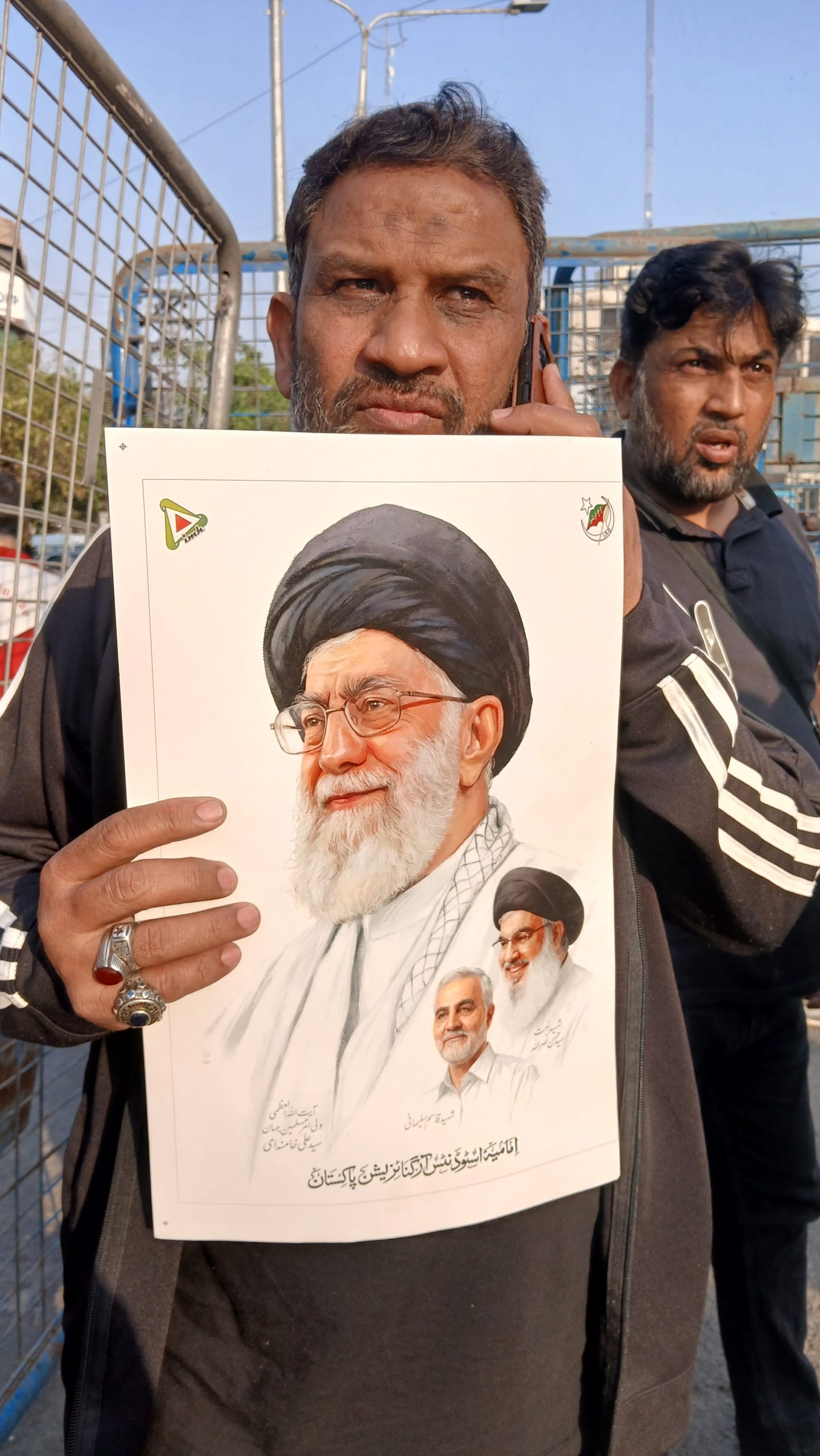
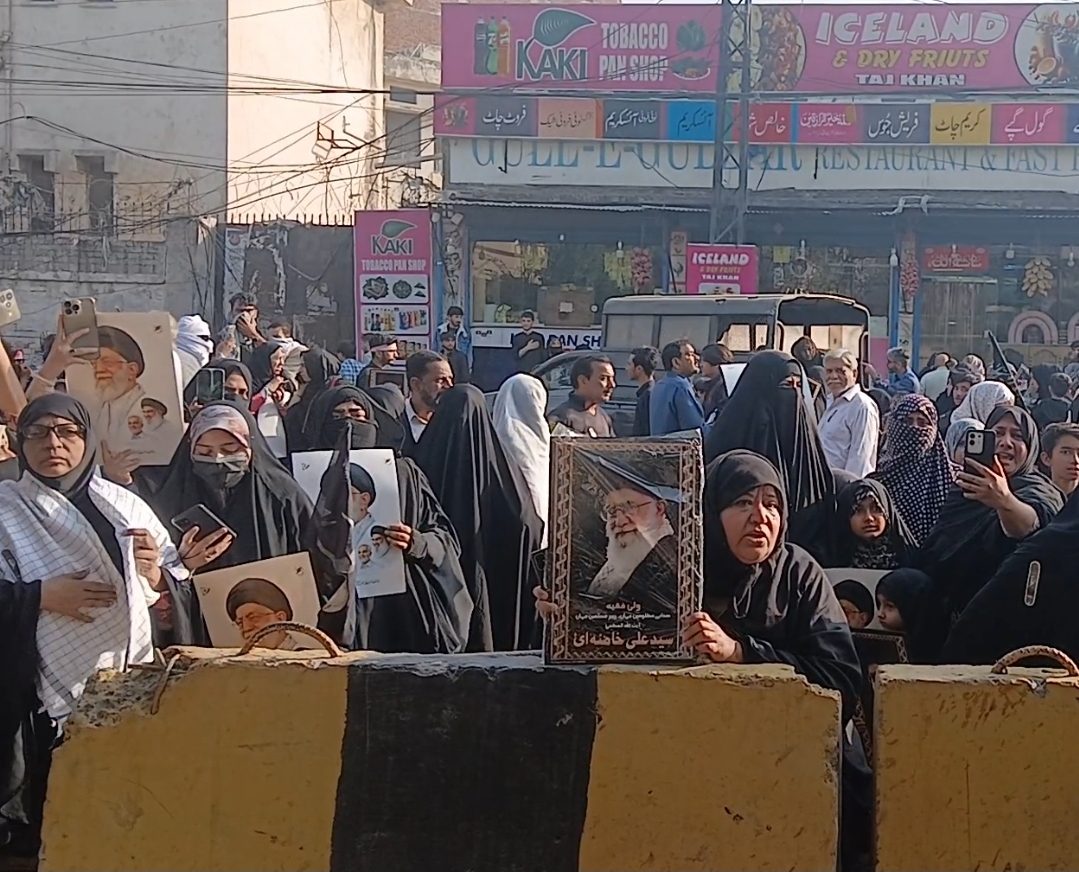
In response, Tehran declared 40 days of national mourning and seven days of public holidays. Iran’s Revolutionary Guards described Khamenei as a “great leader” and vowed “severe punishment” against those responsible.
A senior Israeli official told Reuters that Khamenei’s body had been found following the strike. US President Donald Trump said Washington had worked closely with Israel to target Iran’s top leadership, describing the operation as necessary to prevent Tehran from advancing its nuclear weapons capability.
Israeli Prime Minister Benjamin Netanyahu stated that Khamenei’s compound had been destroyed in the operation.
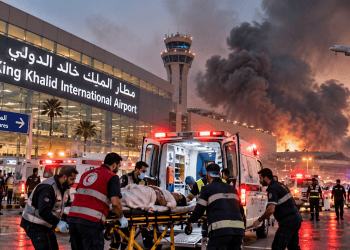
Iran condemned the attacks as illegal and unprovoked and retaliated by firing missiles at Israel and several other countries hosting US bases, including Gulf states. The Revolutionary Guards warned that a “most intensive offensive” against Israeli and US positions would begin imminently.
The strikes follow heightened tensions after a 12-day air war in June involving the US and Israel, who warned Tehran against pursuing nuclear enrichment and ballistic missile development. Although negotiations between US and Iranian officials had continued as recently as Thursday, American officials said Iran refused to abandon uranium enrichment, which Washington views as a pathway to nuclear weapons development. Tehran has maintained its programme is intended for civilian energy purposes.
At the United Nations Security Council, envoys from Russia and China criticised the military action. Russia’s representative said Iran had been “stabbed in the back” during ongoing negotiations. UN Secretary-General António Guterres called for an immediate cessation of hostilities.
The developments have also sparked domestic debate in the United States, with some lawmakers questioning the legality of prolonged military engagement without congressional approval.
Iranian state media reported that several senior military officials were also killed in the strikes, including Defence Minister Amir Nasirzadeh and Revolutionary Guards commander Mohammed Pakpour, along with other high-ranking commanders.
The assassination marks one of the most dramatic escalations in Middle East tensions in decades, with global powers urging restraint amid fears of a broader regional conflict.