


TEHRAN (Web Desk) — In an escalating standoff that threatens to tip the Middle East into a broader regional conflict, Iran’s regular armed forces have issued a severe warning to Washington, declaring they are fully prepared to activate “new fronts” across the theater if American forces resume direct military action against Iranian interests.
The high-stakes strategic warning directly follows remarks from US President Donald Trump, who recently indicated he had temporarily paused a major offensive wave in the hopes of forcing Tehran back to the negotiating table for a comprehensive security deal.
Escalating Tensions and Asymmetric Tactics
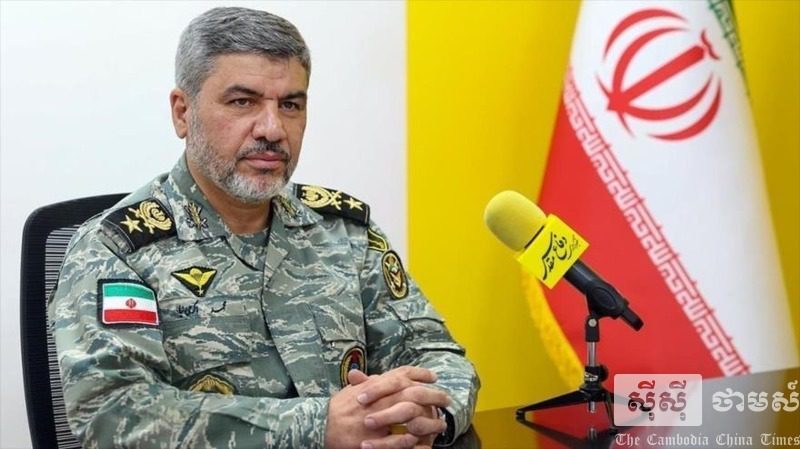
The warning highlights Tehran’s readiness to leverage its network of regional proxies and advanced domestic defense capabilities to counter US pressure. According to Iran’s semi-official ISNA news agency, army spokesman Mohammad Akraminia explicitly framed any potential American military action as a catastrophic miscalculation engineered by regional adversaries. He emphasized that the Iranian military has evolved its tactical doctrines to inflict maximum costs through non-conventional means.
“If the enemy is foolish enough to fall into the Zionist trap again and launches new aggression against our beloved Iran, we will open new fronts against it, with new equipment and new methods,” Akraminia stated during a press briefing. Military analysts interpret the reference to “new methods and equipment” as an explicit nod to Iran’s sophisticated drone arsenals, precision-guided ballistic missiles, and asymmetric naval warfare strategies designed to choke critical maritime trade corridors like the Strait of Hormuz.
Brinkmanship and the Diplomatic Impasse
The aggressive rhetoric from Tehran underscores the total breakdown of diplomatic goodwill and highlights the precarious nature of the current status quo. While Washington has utilized a mixture of crippling economic sanctions and localized kinetic strikes to deter Iranian regional expansion, Tehran has consistently responded with calculated pushback. By threatening to multiply the active conflict zones, the Iranian command aims to raise the geopolitical stakes, signaling to US policymakers that any localized strike will inevitably trigger a synchronized, multi-theater response.
With both capitals firmly locked in a cycle of strategic brinkmanship, the risk of miscalculation remains dangerously high. As Iran doubles down on its defensive posture, international observers fear that the temporary lull in active operations could quickly fracture, plunging the broader region into a volatile, multi-front war.