



By Our Correspondent
ISLAMABAD – In Pakistan, anticipation is building over the possibility of an extended holiday period for Eid ul Adha this year, with the final schedule depending entirely on the sighting of the Zil Hajj moon. The uncertainty surrounding the lunar calendar has once again placed families, businesses, and travelers in a waiting position as officials prepare to confirm the dates.
According to early expectations, if the moon is sighted on May 17, the month of Zil Hajj would begin immediately, placing Eid ul Adha on May 27. In that scenario, public holidays would likely run from Wednesday through Friday, creating a midweek break that naturally connects with the weekend of May 30 and 31. This alignment would effectively provide citizens with a five-day holiday window, allowing extended time for travel, family gatherings, and preparations for the ritual sacrifice associated with Eid.
However, the calendar could shift slightly if the moon is not observed on the expected date. In that case, the lunar month of Zil Qa’dah would complete a full 30 days, pushing Eid ul Adha to May 28 instead. Under this alternative scenario, the official holidays are expected to fall on Thursday and Friday, which would still be followed by the regular weekend. This arrangement would result in a shorter but still significant four-day break.
The final confirmation will be issued by the Central Ruet-e-Hilal Committee, which is responsible for verifying the official sighting of the moon and announcing the beginning of Islamic months across the country. Their decision typically determines nationwide schedules for religious observances and public holidays, ensuring uniformity across provinces.
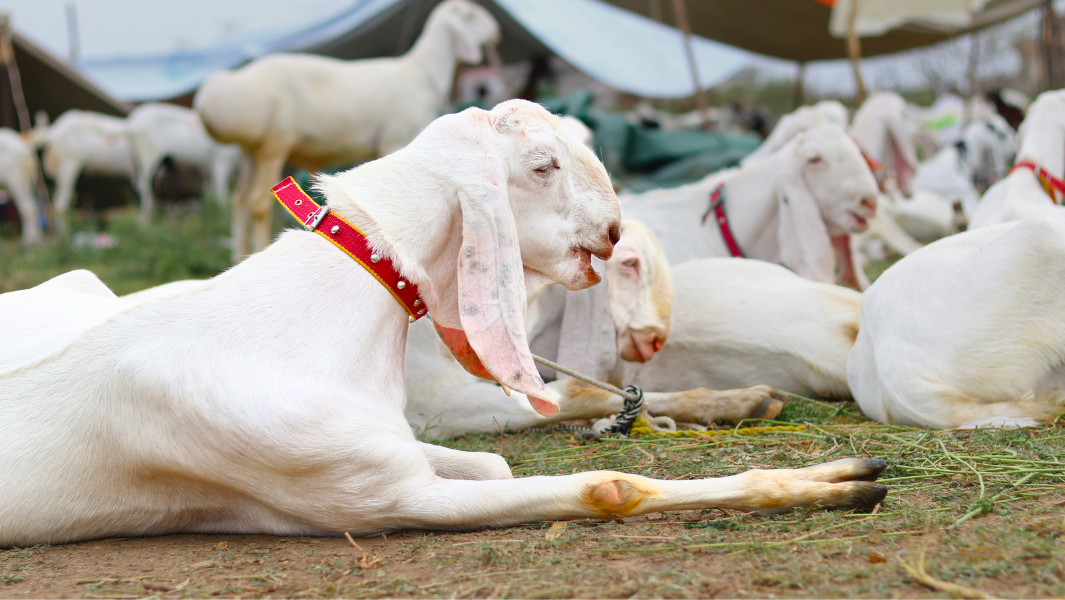
Beyond the calendar details, the potential extended break carries broader social and economic implications. For many households, Eid ul Adha is a time-intensive festival that involves livestock purchases, travel to hometowns, and coordination of sacrificial rituals. A longer holiday period provides more flexibility for these activities and reduces logistical pressure in major cities, where travel demand and market activity tend to surge sharply in the days leading up to Eid.
Travel operators, transport services, and retail markets also tend to experience increased activity during this period, as people move between urban centers and rural areas. At the same time, the uncertainty of final dates continues to shape planning decisions, with many individuals opting to wait for the official announcement before finalizing travel or purchase arrangements.
In essence, while the exact length of the break remains dependent on lunar confirmation, expectations point toward either a four-day or five-day holiday window, offering residents of Pakistan a meaningful opportunity to observe Eid ul Adha with family and community engagement.