


By Muhammad Mohsin Iqbal
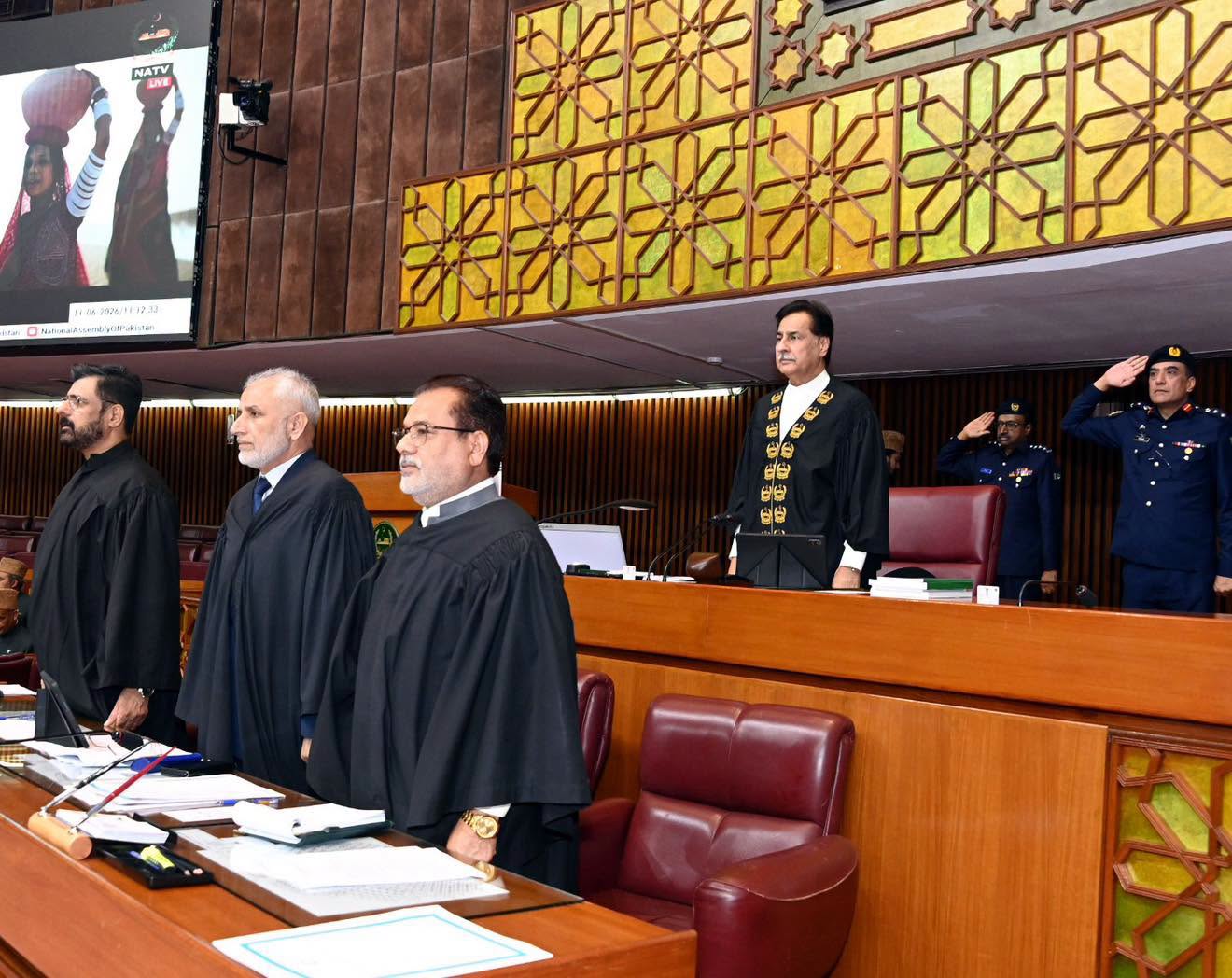
The progress of nations is seldom measured merely by the laws they enact or the institutions they build. Rather, it is reflected in the character of those entrusted with leadership and in their ability to adapt institutions to the demands of changing times. History bears witness to the fact that true leadership is not confined to authority; it is manifested through tolerance, magnanimity, foresight, and an unwavering commitment to the public good. Such qualities are neither acquired overnight nor sustained without perseverance. They require patience in the face of criticism, resilience amid challenges, and the courage to pursue reform even when the path is difficult. In contemporary Pakistan, few public figures embody these attributes more distinctly than thricely elected Speaker National Assembly Sardar Ayaz Sadiq.
The hallmark of great leadership lies in bringing people together while steering institutions towards excellence. Throughout his parliamentary career, Sardar Ayaz Sadiq has demonstrated a rare ability to combine humility with determination, fostering consensus while pursuing meaningful change. His tenure has not merely been about presiding over parliamentary proceedings; it has been marked by a sustained effort to transform the National Assembly into a modern, efficient, and accountable institution capable of meeting the governance challenges of the twenty-first century.
One of the most remarkable achievements under his stewardship has been the implementation of a comprehensive programme of right-sizing, fiscal discipline, and institutional modernization within the National Assembly Secretariat. At a time when public resources are under immense pressure and governments across the world are seeking greater efficiency, the Secretariat has emerged as a model of prudent financial management. Through carefully planned austerity measures and administrative reforms, it is projected to save approximately Rs. 4.5 billion during the financial year 2025–26, amounting to more than a quarter of its total budgeted expenditure.
What makes this accomplishment particularly noteworthy is that it has been achieved without sacrificing institutional effectiveness or employee welfare. The Secretariat undertook a substantial reduction in sanctioned posts, decreasing its workforce structure from 1,725 positions to 1,344. Yet not a single employee was dismissed or compelled to resign. This reflects a sophisticated approach to human resource management in which efficiency was enhanced through strategic restructuring rather than punitive measures.
Equally significant has been the reduction in non-employee expenditure through stronger financial oversight, rational procurement practices, energy conservation initiatives, and tighter operational controls.
These measures have not only generated considerable savings but have also cultivated a culture of accountability and responsible governance. In an era where public trust in institutions often depends upon transparency and fiscal prudence, such reforms set an example worthy of emulation.
Perhaps the most transformative dimension of this reform agenda has been the Speaker’s vision of a paperless Parliament. For generations, parliamentary work relied heavily upon mountains of documents, reports, agendas, notices, and legislative papers. The extensive digitization of parliamentary business has revolutionized this process. Electronic circulation of official documents has significantly reduced paper consumption, printing expenses, and administrative delays while contributing positively to environmental sustainability. This shift reflects a recognition that technological innovation is not merely a convenience but an essential instrument of modern governance.
The culmination of this vision was witnessed with the launch of Pakistan’s first AI-enabled parliamentary system. This historic initiative represents a milestone not only for the National Assembly but for parliamentary institutions throughout the developing world. By integrating advanced digital tools and artificial intelligence into legislative processes, the Assembly has entered a new era of institutional capability. Legislative research, document management, information retrieval, and administrative coordination are now being strengthened through technology-driven solutions designed specifically for parliamentary requirements.
What distinguishes this initiative is its emphasis on national ownership and data sovereignty. The AI platform has been developed as a highly secure, fully on-premises system, ensuring that all parliamentary data remains within Pakistan and under the exclusive control of the National Assembly. At a time when concerns about cybersecurity and data protection are becoming increasingly significant, this approach demonstrates both foresight and responsibility.
The digital transformation has also extended to the Speaker’s Office and parliamentary administration. Members of the National Assembly have been provided with digital devices enabling immediate access to legislative documents and parliamentary records. Training programmes for technical staff have been introduced to ensure that the institution possesses the capacity required to sustain and expand these innovations. The establishment of a modern data centre further underscores the Assembly’s commitment to building a technologically empowered parliamentary ecosystem.
These achievements gain even greater significance when viewed against the backdrop of Sardar Ayaz Sadiq’s parliamentary legacy.
By March 2026, he had become the longest-serving Speaker in Pakistan’s parliamentary history, surpassing the record previously held by Maulvi Tamizuddin Khan. Having been elected Speaker on three separate occasions, he occupies a unique place in the democratic evolution of the country. Yet longevity alone does not define greatness. What distinguishes his tenure is the manner in which experience has been translated into institutional reform and enduring progress.
The National Assembly’s journey toward efficiency, transparency, and technological modernization illustrates how visionary leadership can transform public institutions without compromising democratic values. In a world where governance increasingly depends upon innovation and adaptability, Pakistan’s Parliament has demonstrated that tradition and technology need not stand in opposition. Instead, they can work together to strengthen democratic institutions and improve public service.
The reforms introduced under the leadership of Sardar Ayaz Sadiq offer an important lesson: genuine progress is achieved not through rhetoric but through sustained effort, careful planning, and a willingness to embrace change. By combining fiscal responsibility with digital innovation and institutional modernization, the National Assembly has set a precedent for other public institutions. It is a reminder that when leadership is guided by wisdom, tolerance, and a commitment to the national interest, even the oldest institutions can be renewed and prepared for the challenges of the future.