


Chaudhry Muhammad Riaz: A symbol of Dldemocratic stability and political wisdom
By Rana Farooq Ashraf
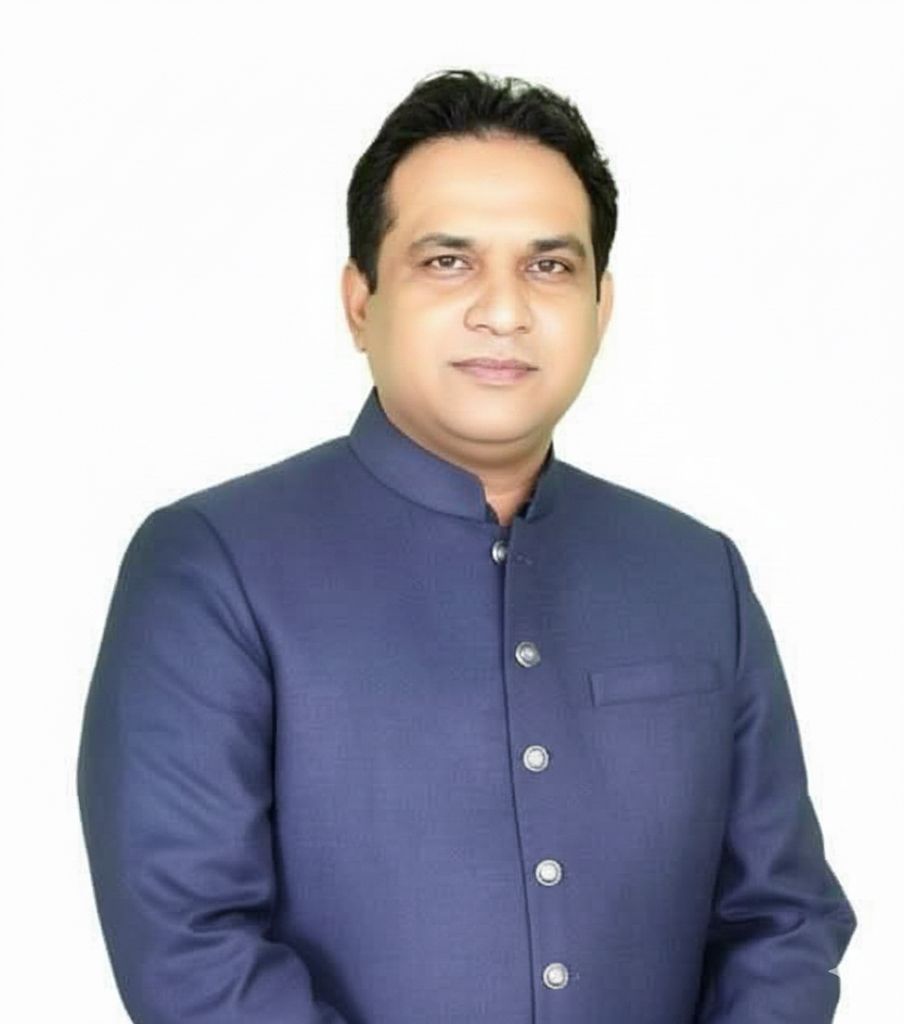
Chaudhry Muhammad Riaz is counted among those senior leaders whose politics is not centered on the pursuit of power but is firmly grounded in democratic stability, political balance, and the national interest. His political insight, maturity, and farsighted approach have earned him the confidence of the Pakistan Peoples Party’s leadership and workers alike, while his opinions are also regarded with seriousness, moderation, and respect across political circles in Azad Jammu and Kashmir.
At a particularly sensitive moment in Azad Kashmir’s political landscape—when uncertainty and instability prevailed—Chaudhry Muhammad Riaz demonstrated patience, prudence, and political acumen in managing complex circumstances. He played an effective role in reducing political tension, maintaining dialogue among various political forces, and steering the situation back toward a constitutional and democratic path. As a result, the formation of a democratic government led by the Pakistan Peoples Party became possible, a development widely acknowledged as a reflection of responsible and mature leadership.
Within the Pakistan Peoples Party, Chaudhry Muhammad Riaz is recognized as a senior leader whose counsel carries weight due to his experience, consistency, and principled politics. Party workers repose strong trust in his leadership, while leaders from different political backgrounds view his opinions as a reference point for reconciliation and balance. His political conduct consistently reflects restraint over hostility and dialogue over confrontation.
Chaudhry Muhammad Riaz maintains strong coordination with the central leadership of the Pakistan Peoples Party. Working in alignment with Ms. Faryal Talpur, President Asif Ali Zardari, and Chairman Bilawal Bhutto Zardari, he has played a vital role in translating the party’s national vision into practical political direction in Azad Kashmir. This coordination has strengthened the political linkage between Islamabad and Muzaffarabad and enhanced organizational coherence within the party.
His guidance has also been instrumental in promoting administrative order, political moderation, and institutional harmony in Azad Kashmir. The political culture encouraged under his influence emphasizes balanced decision-making, dignity in political conduct, and seriousness in governance. Consequently, institutional coordination has improved and the overall effectiveness of governance has been reinforced.
With the upcoming elections in Azad Kashmir approaching, the role of Chaudhry Muhammad Riaz has assumed even greater importance. His political foresight, understanding of grassroots realities, and organizational experience position him as a key figure in shaping the Pakistan Peoples Party’s electoral strategy. Political observers believe that his leadership and strategic planning will be decisive factors in the party’s success.
Undoubtedly, the political career of Chaudhry Muhammad Riaz stands as a practical demonstration of the fact that serious, responsible, and principled leadership alone has the capacity to transform uncertainty and political disorder into stability and confidence. In an era often characterized by polarization and short-term politics, his leadership represents patience, wisdom, and a steadfast commitment to democratic values.
Beyond party politics, Chaudhry Muhammad Riaz is also widely regarded as a bridge between the political leadership and the common people of Azad Kashmir. His approach to public engagement is rooted in accessibility and empathy, ensuring that the voices of ordinary citizens, particularly those from remote and underdeveloped areas, are heard within policy-making circles. By maintaining close contact with community elders, youth groups, and local representatives, he has fostered a political environment where participation and consultation are valued as essential components of democratic governance rather than mere formalities.
His emphasis on youth empowerment and political awareness has further strengthened the democratic fabric of the region. Recognizing that the future of Azad Kashmir rests in the hands of its younger generation, Chaudhry Muhammad Riaz has consistently encouraged their involvement in political processes, organizational activities, and social initiatives. Under his guidance, party platforms have increasingly focused on education, employment opportunities, and skill development, reflecting a broader vision that extends beyond immediate political gains to long-term societal progress.
Equally significant is his commitment to strengthening democratic institutions and promoting the rule of law. He has repeatedly stressed that political stability cannot be achieved through personalities alone, but must be anchored in strong, transparent, and accountable institutions. This belief has translated into support for parliamentary norms, administrative reforms, and respect for constitutional processes, all of which contribute to building public trust in governance structures.
Chaudhry Muhammad Riaz’s leadership style is often described as consultative rather than commanding, a trait that has enabled him to build consensus even in moments of political divergence. His ability to listen, accommodate differing viewpoints, and seek common ground has helped prevent political deadlock and encouraged a culture of cooperation among stakeholders. This inclusive approach has not only enhanced the credibility of the Pakistan Peoples Party in Azad Kashmir but has also contributed to a more harmonious political climate overall.
In the broader national context, his political outlook reflects a deep understanding of the interconnected nature of regional and federal dynamics. By advocating for a balanced relationship between Azad Kashmir and the federal government, he has worked to ensure that the region’s political aspirations and developmental needs are represented within national discourse. This role as a mediator between local priorities and national policy frameworks has further elevated his standing as a leader of vision and responsibility.
As the political landscape continues to evolve, Chaudhry Muhammad Riaz remains a symbol of continuity and steadiness in times of change. His long-standing dedication to democratic principles, combined with his practical approach to governance and party organization, positions him as a guiding force for both current leaders and the emerging generation of political workers. Observers note that his enduring relevance lies not in the pursuit of headlines or personal prominence, but in the quiet, consistent effort to strengthen democratic norms and institutional integrity.
Ultimately, his political journey underscores a broader message for the region and the country at large: that sustainable progress is built on patience, dialogue, and principled leadership. In a political era often shaped by rapid shifts and heightened rhetoric, Chaudhry Muhammad Riaz’s steady hand and measured voice continue to serve as a reminder that true leadership is defined by the ability to unite, stabilize, and inspire confidence in the democratic process.