


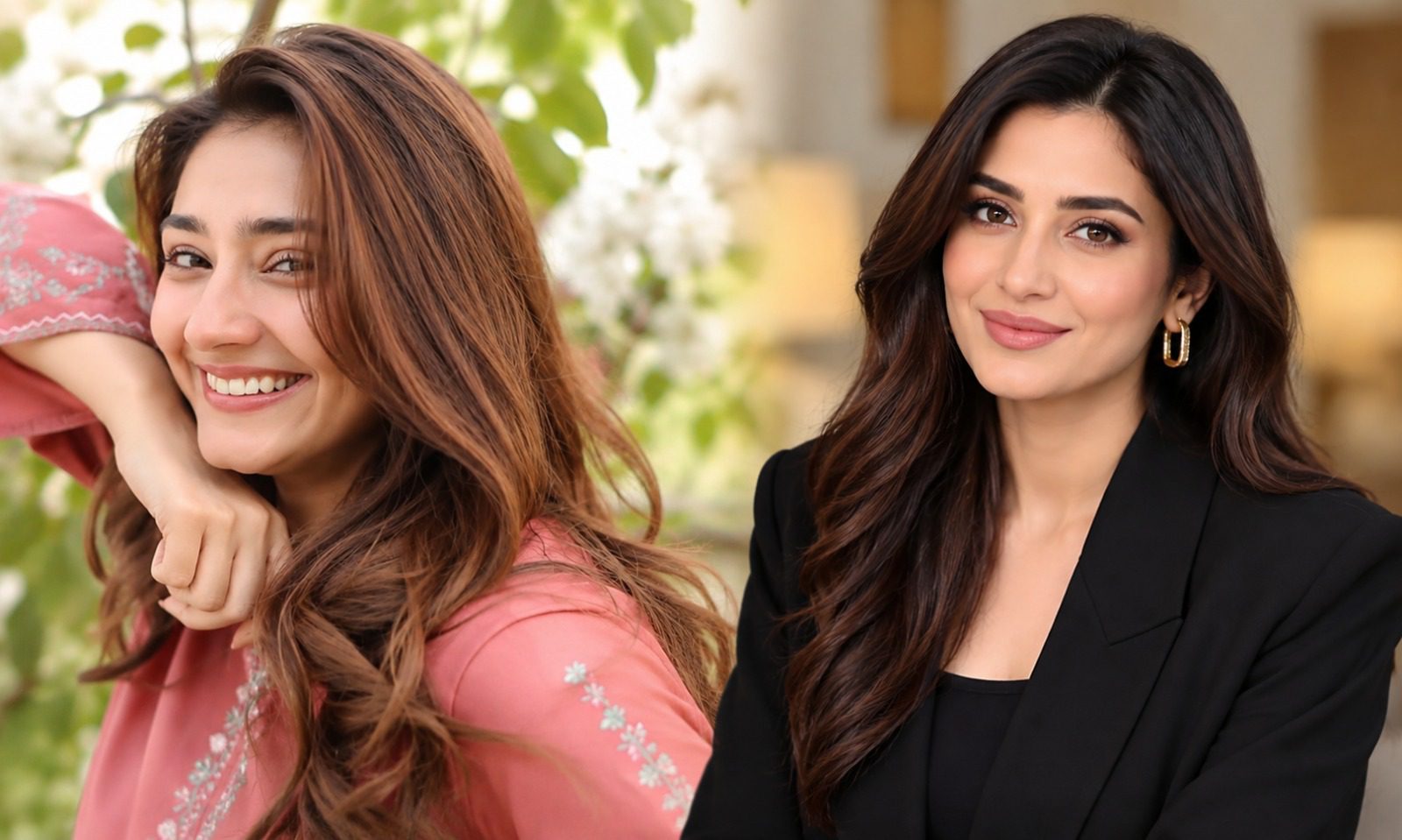
KARACHI (Showbiz Desk) – Former Miss Universe Pakistan Roma Riaz has spoken out in support of actor Durefishan Saleem after the actress faced body-shaming on social media over her appearance in the television drama Dar-e-Nijaat.
Saleem, who plays Zaryab in the drama, has received praise for her performance. However, her appearance in a sleeveless outfit in the 20th episode, which aired on Friday, prompted some social media users to make negative comments about her body.
Reacting to the criticism, Riaz shared an Instagram story on Sunday, expressing disappointment that discussions about the actress had shifted from her acting to her physical appearance.
Read also: Bilal Abbas Khan quietly performs Hajj in Saudi Arabia amid break from showbiz projects
She argued that performers should be recognised for their dedication and professional abilities rather than subjected to scrutiny over their bodies.
Riaz also questioned the contradiction between public discussions about women’s empowerment and the tendency to criticise women for their appearance.
She said unrealistic beauty standards place considerable pressure on women and can make it difficult for younger girls to develop confidence in their own bodies.
The former beauty pageant titleholder stressed that a woman’s value should not be determined by how closely she conforms to society’s expectations of physical perfection.
Body-shaming debate resurfaces
The controversy has renewed discussion about body-shaming in Pakistan’s entertainment industry, where actresses frequently face public scrutiny over their weight, clothing and physical features.
Saleem has previously spoken about body-shaming in interviews, highlighting the challenges that come with being a public figure in an environment where appearance often attracts as much attention as professional work.
Social media has provided actors with a direct connection to their audiences, but it has also created platforms where personal attacks and appearance-based criticism can spread rapidly.
The debate surrounding Saleem highlights the pressures faced by women in the public eye, particularly when online discussions shift away from their performances and towards their bodies.
Calls for greater respect
Riaz’s intervention has drawn attention to the wider impact of appearance-based criticism, particularly on young people who follow celebrities and view them as role models.
Critics of body-shaming argue that repeatedly judging women against narrow beauty standards can reinforce insecurity and create unrealistic expectations about how people should look.
They also stress that an actor’s professional contribution should be assessed through performance, character development and artistic ability rather than individual physical features.
The discussion surrounding Dar-e-Nijaat has therefore extended beyond a single television episode, raising broader questions about online behaviour, empathy and the treatment of women in the entertainment industry.
Riaz’s message serves as a reminder that public criticism need not come at the expense of dignity. Recognising talent, respecting individual differences and avoiding personal attacks can help create a healthier environment for artists and audiences alike.