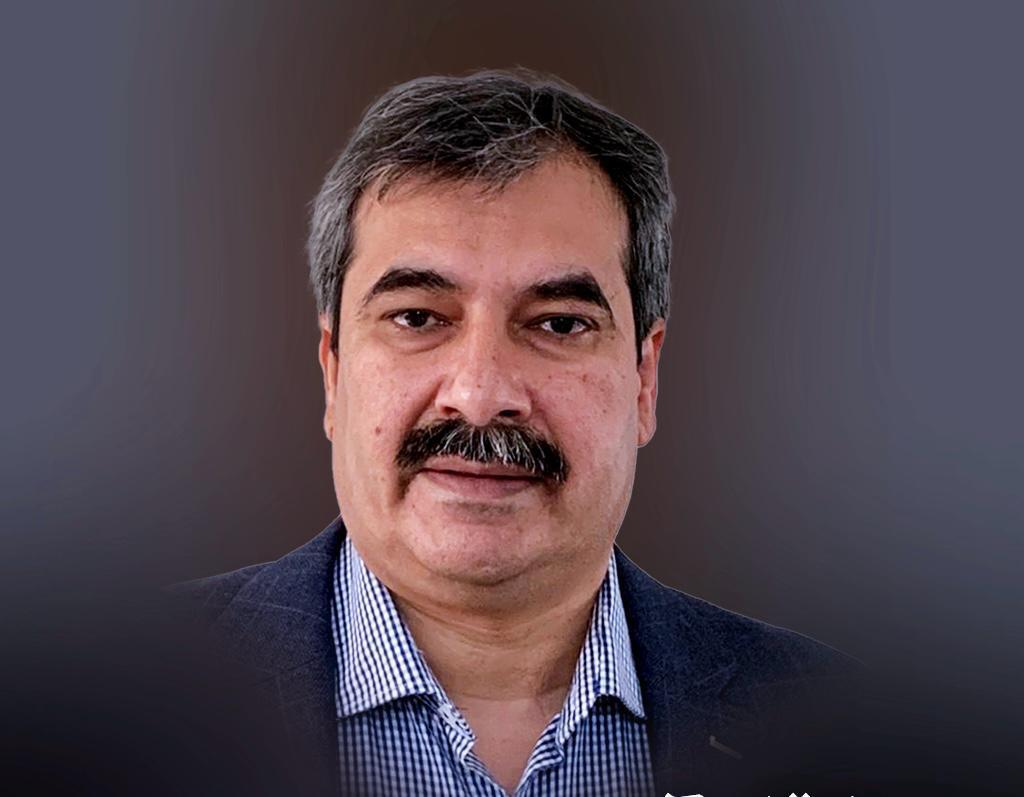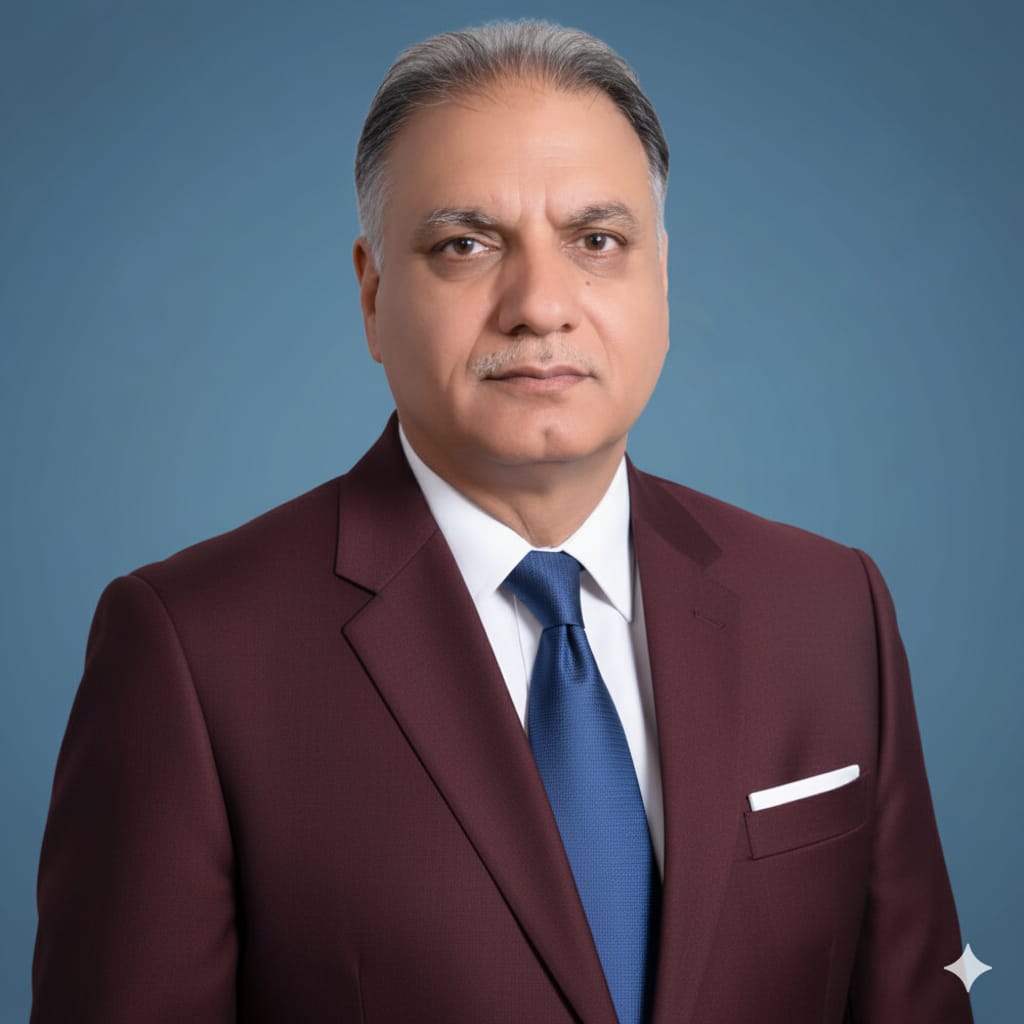



By Dr. Alamdar Hussain Malik
Poverty in Pakistan is not merely an economic condition; it is a reflection of deep-rooted governance failures. Despite possessing fertile land, abundant natural resources, and a large youthful population, a significant proportion of citizens continues to struggle for basic necessities such as food, healthcare, education, and dignified employment. This persistent contradiction underscores a fundamental reality: poverty in Pakistan is less a consequence of scarcity and more a result of ineffective governance, weak institutions, and flawed economic management.
Read also: Call for independent veterinary drug authority to protect livestock, public health
Recent data highlight the scale of the challenge. According to the World Bank, approximately 44.7 % of Pakistan’s population lives below the international poverty line of $4.20 per person per day, while 16.5 % live in extreme poverty, below $3 per day. Using older international standards, the poverty rate is projected around 42.4 % for FY2025. Human development indicators also reflect persistent deprivation, with about 38.3 % of the population classified as multidimensionally poor, facing deficits in health, education, and living standards.
Over the decades, Pakistan has experienced intermittent phases of economic growth, yet these gains have rarely translated into sustained poverty reduction. Inflation remains high, and many people, especially youth and women, struggle to find stable employment. Weak policy implementation, lack of accountability, and poor coordination among state institutions have undermined poverty alleviation initiatives. Development strategies are frequently revised or abandoned due to political instability, preventing long-term planning and continuity.
One of the most damaging governance shortcomings is policy inconsistency. Frequent changes in leadership lead to abrupt shifts in economic priorities, replacing structural reforms with short-term populist measures. Sectors critical to poverty reduction such as education, healthcare, nutrition, and skills development remain underfunded and poorly managed. As a result, Pakistan lags behind regional peers in human development indicators, perpetuating intergenerational poverty.
A critical but often underemphasized contributor to poverty is Pakistan’s chronic imbalance between imports and exports. In FY2024, total exports amounted to 30.675 billion dollars while total imports reached 54.779 billion dollars, resulting in a trade deficit of 24.104 billion dollars. These figures highlight that imports continue to far exceed exports, sustaining a substantial trade gap that contributes to inflationary pressures and economic vulnerability, disproportionately affecting the poor.
Corruption further compounds poverty by diverting public resources away from social development. Funds allocated for welfare, infrastructure, education, and healthcare often fail to reach intended beneficiaries. This not only deepens inequality but also erodes public trust in state institutions. The poor suffer doubly, first through deprivation and then through exclusion from services meant to support them.
Equally concerning is the weakness of local governance. Poverty varies significantly across regions, yet decision-making remains highly centralized. Without empowered and accountable local governments, policies fail to address local realities such as rural deprivation, urban slums, and regional disparities. Effective decentralization could enhance service delivery, improve transparency, and ensure community participation, which are key ingredients for inclusive development.
Pakistan’s taxation system also reflects governance imbalance. A narrow tax base, excessive reliance on indirect taxes, and exemptions for influential sectors place a disproportionate burden on low-income households. This regressive structure limits the government’s capacity to invest in social services, reinforcing a vicious cycle of poverty and inequality.
While social protection programs and cash transfers offer temporary relief, poverty cannot be eradicated through welfare measures alone. Sustainable poverty reduction requires job creation, export-oriented industrialization, support for small and medium enterprises, agricultural reform, food security, and quality public education and healthcare. Good governance demands a transition from charity-based approaches to rights-based development, where citizens are empowered through opportunity rather than dependency.
Addressing poverty is therefore not merely an economic challenge; it is a moral, social, and constitutional obligation. The Constitution of Pakistan mandates the state to ensure social and economic justice and equitable distribution of resources. Yet these commitments remain unfulfilled for a large segment of the population. A Pakistan that seeks stability, cohesion, and sustainable growth must confront its governance failures with honesty and resolve. Strengthening institutions, enforcing the rule of law, empowering local governments, reforming the tax system, correcting structural trade imbalances, and investing consistently in human development are no longer policy choices—they are necessities.
Poverty cannot be eliminated through slogans, short-term relief packages, or politically motivated schemes. It requires long-term, people-centered planning rooted in transparency, accountability, and continuity. Without decisive governance reforms, poverty will continue to undermine national unity and economic potential. However, with political will and inclusive governance, poverty can be transformed from a chronic national crisis into a solvable challenge, restoring dignity, opportunity, and hope for millions of Pakistanis.
Opinion Disclaimer:
The views and opinions expressed in this article are solely those of the author and do not necessarily reflect the official policy or position of the publication, its management, or editorial staff.