


TAIPEI (The Tribune International) — As the global race to expand artificial intelligence infrastructure accelerates, Nvidia Chief Executive Jensen Huang used a high-profile gathering in Taipei on Monday to reinforce the company’s growing ties with South Korea’s technology sector, signaling that collaboration between the U.S. chip giant and Korean firms will play a central role in the next phase of AI development.
The event, dubbed “Korean Partner Night,” brought together senior executives from some of South Korea’s most influential technology companies, including SK Hynix, Samsung Electronics, LG Electronics, and Naver. Held at a traditional Taiwanese restaurant on the sidelines of the Computex technology exhibition, the dinner underscored Nvidia’s increasing focus on strategic partnerships across Asia as demand for AI hardware continues to surge.
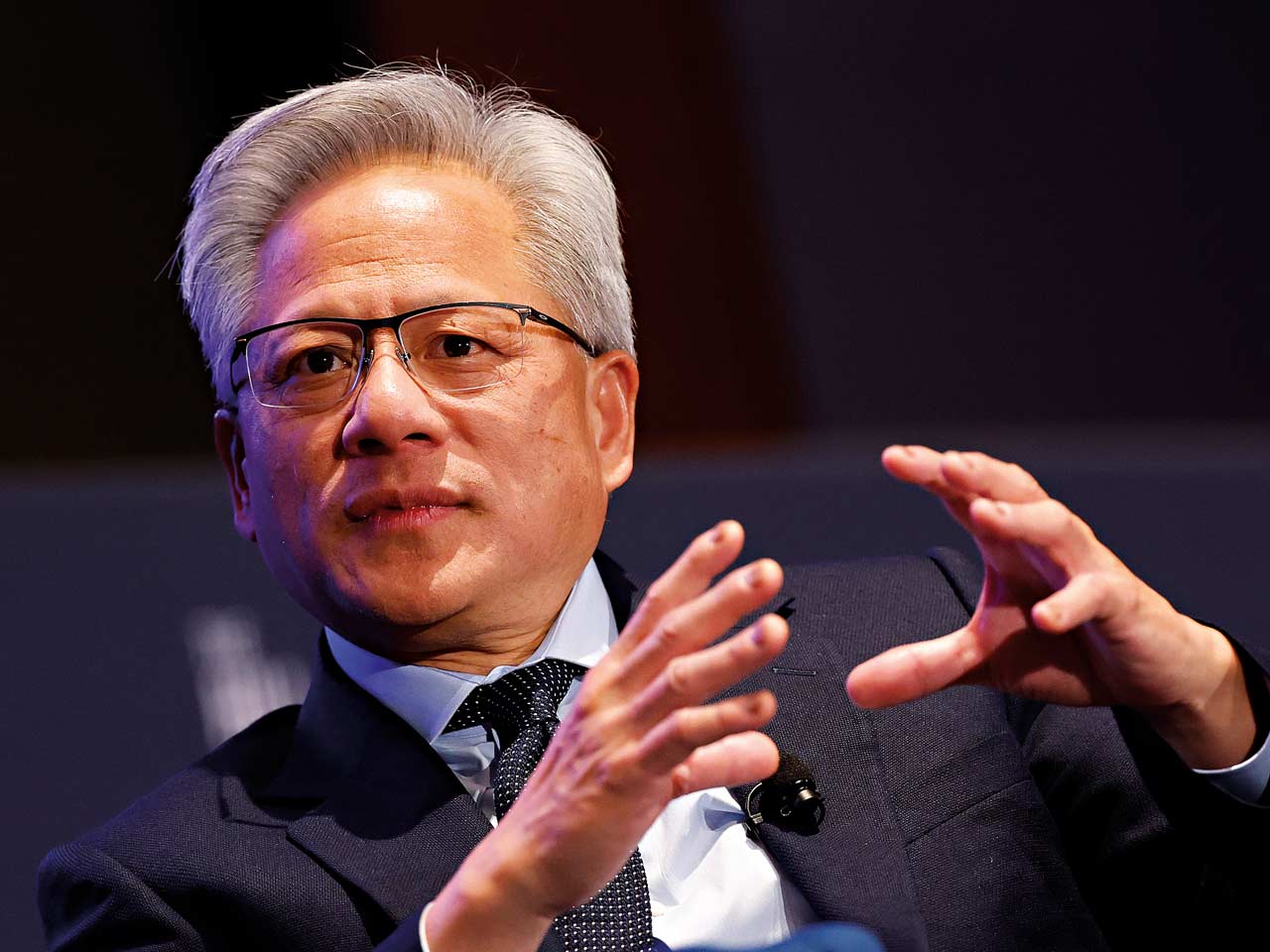
Addressing reporters before joining the gathering, Huang emphasized the importance of South Korea within Nvidia’s broader ecosystem. He described the coming months as a period of intense activity for the AI industry, noting that preparations are already underway for a busy second half of the year and an even more demanding 2026.
The evening highlighted the strong relationship Nvidia has built with Korean technology companies, many of which are critical suppliers, customers, and innovation partners in the AI supply chain. SK Hynix, one of the world’s leading memory chip manufacturers, has become particularly important as demand rises for high-bandwidth memory used in advanced AI systems.
Huang’s appearance drew significant attention, with crowds of supporters and media gathering outside the venue. The Nvidia chief, who enjoys celebrity-like popularity in Taiwan, moved among guests throughout the evening, offering toasts and engaging directly with industry leaders.
The meeting also fueled investor optimism. Shares of several South Korean technology companies advanced on Monday amid expectations that discussions with Nvidia could pave the way for deeper cooperation in emerging fields such as artificial intelligence, robotics, and advanced computing.
Huang indicated that South Korea remains an attractive destination for future investment and praised the country’s engineering expertise and technological capabilities. While he stopped short of confirming specific meetings during his upcoming visit to Seoul, he suggested Nvidia is exploring opportunities to contribute to Korea’s growing robotics sector.
South Korea has become an increasingly important market for Nvidia. The company previously announced plans to provide more than 260,000 advanced AI chips to the South Korean government and major corporations, including Samsung Electronics and Hyundai Motor Group, supporting national efforts to expand AI computing capacity and strengthen competitiveness in next-generation technologies.
With AI adoption accelerating worldwide, Nvidia’s engagement with Korean industry leaders reflects the strategic partnerships that are expected to shape the future of the sector.


