


AHMEDABAD (Web Desk) In a move aimed at reducing interruptions caused by poor visibility, the International Cricket Council (ICC) has approved a trial allowing the use of pink balls in traditional Test matches when bad light threatens to halt play.
The decision was among several key measures endorsed during the ICC Executive Board meeting held in Ahmedabad on Monday, reflecting the governing body’s efforts to modernize the game while preserving its longest format.
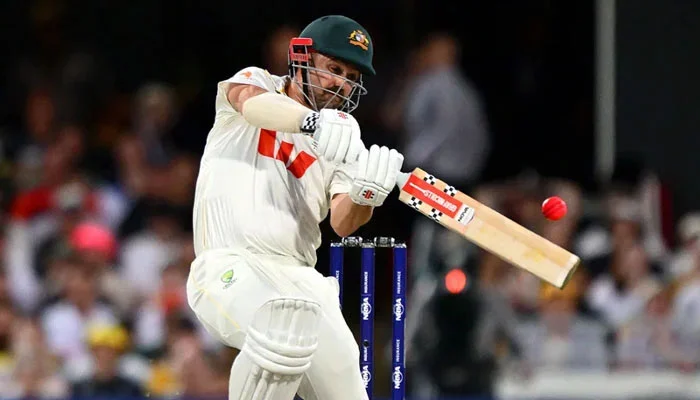
Test cricket has traditionally been played with red balls, but fading natural light often makes them difficult for players to see, leading umpires to suspend play. While pink balls are already used in day-night Tests, the ICC has now opened the door for their limited use in regular Test matches, provided both competing teams agree beforehand.
According to the ICC, the trial is intended to maximize playing time in situations where poor light is anticipated and could otherwise lead to lost overs. The governing body believes the greater visibility of pink balls could help keep matches moving without compromising player safety.
Alongside the ball trial, the ICC announced plans to explore new lighting technologies for cricket grounds and match officials. The research initiative is designed to find innovative ways to reduce disruptions caused by inadequate light conditions, a long-standing challenge in the sport.
ICC Chairman Jay Shah said discussions at the board meeting underscored the organization’s commitment to strengthening governance, improving administration and expanding cricket’s global reach.
The board also approved a notable change to One-Day International (ODI) playing conditions. Under the revised rule, head coaches or designated team staff members will now be permitted to enter the field during scheduled drinks breaks. Previously, communication between coaching staff and players during matches was restricted to substitute fielders carrying messages onto the field.
The adjustment is expected to streamline communication between teams and players during ODI contests, where two drinks breaks are typically taken during an innings.
In another change affecting the shorter format, the ICC reduced the innings interval in Twenty20 Internationals (T20Is) from 20 minutes to 15 minutes. The move is expected to improve the pace of matches and enhance the viewing experience for fans.
Meanwhile, the governing body has strengthened its efforts to monitor suspect bowling actions. On-field umpires will now have access to Hawk-Eye technology during matches, enabling them to review bowling data more effectively when assessing potentially illegal actions.
The latest decisions signal the ICC’s continued focus on innovation, efficiency and maintaining the integrity of the game across all formats.


