


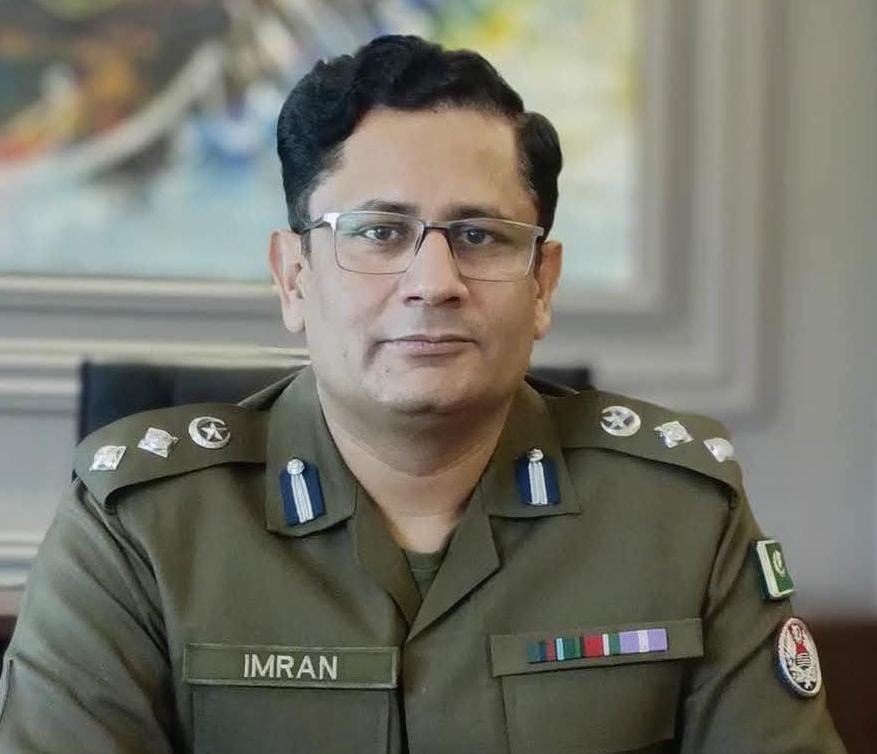
By Shazia Rafique
Leadership cannot be measured by rank or official designation alone. Its true worth is reflected in the wisdom with which authority is exercised, the integrity with which responsibilities are fulfilled, and the compassion shown towards others during difficult times. While a position may confer authority, it is character that earns genuine respect and leaves a lasting impression.
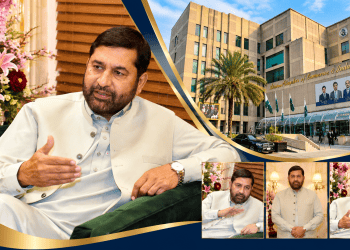
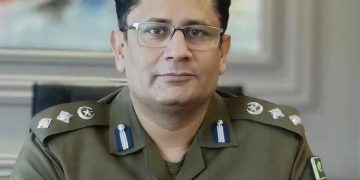
My personal association with DIG Admin Imran Kishwar has deepened my understanding of this human dimension of leadership. My admiration for him is based not merely on his official position but also on the qualities I have personally observed, including wisdom, deep insight, integrity, perseverance, conscientiousness, loyalty, compassion, and generosity. In my experience, he exemplifies a commendable balance between professional discipline and human sensitivity.
Read also: Honoring the unsung sacrifices of Punjab Police martyrs
His professional responsibilities illustrate the demanding nature of police leadership. In addition to managing important administrative affairs at the CCPO Office Lahore, he has also undertaken significant operational responsibilities during the long march. The administration of a major police office requires sound judgement, organisational competence, meticulous attention to detail, and an unwavering commitment to institutional discipline. Meanwhile, duties associated with a long march demand vigilance, patience, effective coordination, resilience, and the ability to make sound decisions under pressure. Managing these parallel responsibilities calls for exceptional dedication, composure, and a strong sense of duty.
Such demanding assignments demonstrate that public service often requires individuals to place their professional obligations above personal convenience. Behind every official designation are long working hours, difficult decisions, and responsibilities that may go unnoticed by the wider public. The true measure of leadership, therefore, lies not simply in the discharge of official duties but also in the fairness, integrity, and humanity with which they are performed. DIG Imran Kishwar is known in Punjab Police for combining administrative rigour with empathetic, community-focused leadership. Several examples illustrate this supportive approach towards colleagues, young people, police families, and members of the public.
He hosts formal farewell ceremonies and presents shields to retiring traffic officers and constables, ensuring that lower-cadre personnel feel respected and appreciated after decades of service. Such gestures recognise their contributions and reinforce the importance of dignity and respect within the police force.
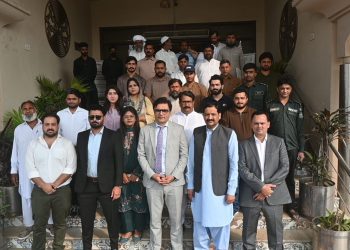
He also welcomes student delegations and provides direct guidance and assistance to students undertaking academic research on public administration and policing. This engagement reflects the importance of facilitating learning, encouraging young researchers, and strengthening understanding between public institutions and the younger generation.
His commitment to the welfare of police personnel and their families is another important aspect of his supportive approach. In February 2025, he distributed group insurance and welfare relief cheques worth over Rs 3.713 million to 18 families of deceased and retired officers. This support highlights the importance of welfare initiatives, particularly for families facing difficult circumstances following the loss of a loved one or retirement from service.
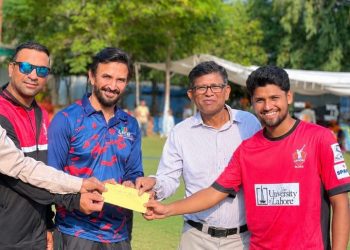
He also frequently organises ceremonies to recognise the efforts of police personnel, including awarding cash prizes, such as Rs 500,000 to investigation teams, and presenting commendation certificates to lower-ranking staff and constables. Recognising professional achievements can strengthen morale, encourage dedication, and foster a culture of appreciation within the department.
Furthermore, he maintains open-door policies across his administrative postings, prioritising complaints from marginalised citizens to facilitate their swift and fair resolution. Such an approach reflects the principle that public institutions should remain accessible to all citizens, particularly those who may otherwise struggle to have their concerns heard. Together, these examples illustrate the importance of combining administrative competence with an understanding of the needs and concerns of others.
The human side of leadership became particularly significant to me during one of the most challenging periods of my life. While experiencing serious health difficulties and undergoing treatment for a fibroid tumour, I found myself in a state of considerable physical and emotional vulnerability. During that difficult period, his encouragement and considerate demeanour offered me reassurance and helped strengthen my courage. Such gestures may never be documented in official records, yet his influence on an individual’s life can endure long after the difficult circumstances have passed.
This personal experience reinforced my belief that leadership is not confined to professional achievements or administrative responsibilities. Sometimes, a few words of encouragement, a considerate attitude, or a timely gesture of support can make a profound difference to someone facing adversity. Such acts of kindness reveal a dimension of leadership that formal designations and official accomplishments alone cannot fully express.
This experience strengthened my conviction that the true spirit of public service is reflected in the character of those entrusted with authority. Laws and institutions establish the foundations of governance, but it is the conduct of public servants that gives these institutions their practical meaning. In policing, where officers regularly encounter danger, uncertainty, and human suffering, effective leadership demands more than discipline and decisiveness. It also requires sound judgement, moral courage, restraint, and empathy. The ability to uphold professional standards while treating people with dignity is essential to building public confidence and strengthening institutional credibility.
My association with DIG Imran Kishwar has also been meaningful in the context of my efforts to honour Pakistan’s martyrs and national heroes through writing. I consider the sacrifices of those who have laid down their lives in the service of the nation an invaluable part of our collective heritage. Their courage, devotion, and commitment to duty deserve recognition beyond formal ceremonies and commemorative occasions. Through my writing, I have endeavoured, within my limited capacity, to preserve their stories and draw attention to the principles reflected in their sacrifices. His encouragement in this endeavour further strengthened my belief that the legacy of our fallen heroes must be preserved and passed on to future generations.
I regard DIG Imran Kishwar as a determined figure in the fight against crime within the police department and as a source of pride for both the department and the nation. His professional responsibilities and commitment to public service underscore the importance of courage, dedication, and a strong sense of duty. Remembering the sacrifices of national heroes and appreciating those who continue to serve the country are interconnected responsibilities that help sustain our collective sense of duty and national identity.
A respectful appeal for recognition
I respectfully appeal to the Government and competent authorities to recognise officers whose service reflects exceptional integrity, courage, professionalism, dedication, and humanity. Acknowledging such individuals would strengthen institutional values and inspire others to serve with fairness, compassion, and responsibility.
For me, DIG Imran Kishwar exemplifies leadership that extends beyond official authority. His professional commitment and humane approach reflect the true spirit of public service, in which duty, integrity, and compassion work together. Such leadership deserves appreciation and recognition as a worthy example for others to follow.
May Allah bless DIG Imran Kishwar with health, wisdom, and strength, protect his family, guide him towards justice, and reward his sincere service to humanity and the nation. Ameen.
A poetic tribute
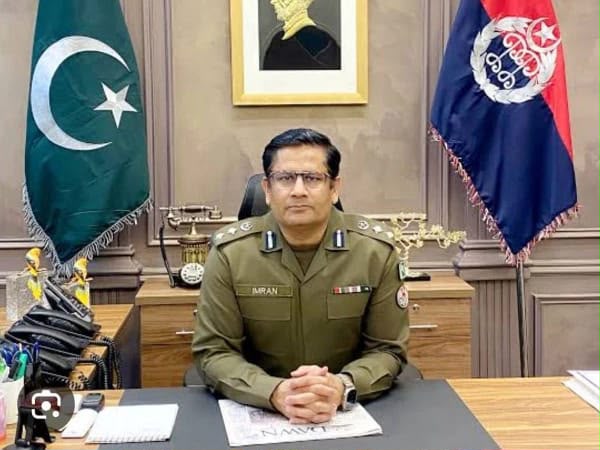
May wisdom guide his steps and courage light his way
May justice, truth, and kindness mark each day
Through duty’s trials, may strength and honour remain
And may his service bring pride beyond all gain.
For rank may fade, but noble deeds endure
And hearts remember those whose motives are pure