



By Asim Shahzad
LAHORE: The Punjab Assembly passed the Punjab Anti-Terrorism Amendment Bill 2026 amid strong resistance from opposition lawmakers, who described its provisions as a threat to fundamental rights and the right to a fair trial.
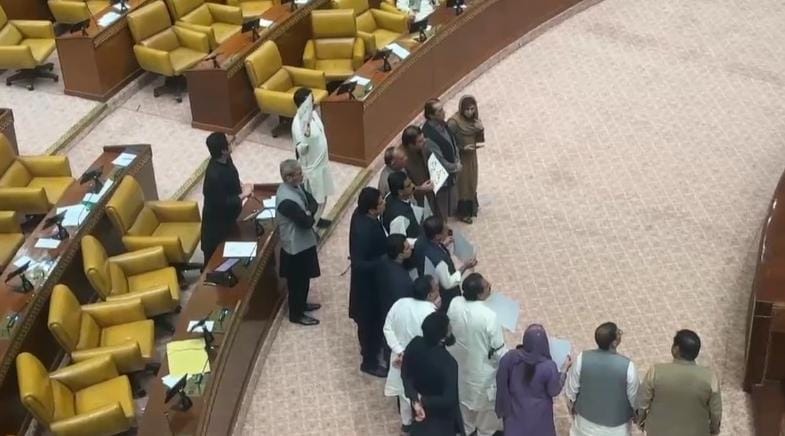
The government and opposition came face to face during debate on the legislation, with Opposition Leader Moin Riaz Qureshi objecting to the bill and alleging that the government intended to strengthen its authority through the new law.
Opposition lawmaker Ahmar Rasheed Bhatti went further, describing the proposed legislation as a “black law”. He raised objections to provisions concerning the confidentiality of the identities of judges, prosecutors, defence lawyers and witnesses, arguing that such measures could affect transparency, fundamental rights and the constitutional guarantee of a fair trial.
Speaker rules bill can be presented
Punjab Assembly Speaker Malik Muhammad Ahmed Khan ruled that the legislation could constitutionally and legally be presented before the provincial legislature and that its inclusion on the assembly’s agenda was valid.
The speaker told opposition members that they could formally raise their objections by moving amendments to the proposed legislation.
During proceedings, opposition lawmakers pointed out a lack of quorum on two occasions in an effort to halt proceedings. However, the government succeeded in completing the required quorum both times, allowing the session and consideration of the legislation to continue.
Opposition amendments rejected
The opposition subsequently moved amendments to the bill, but the treasury benches rejected them.
Following the debate and voting process, the House passed the Punjab Anti-Terrorism Amendment Bill 2026 despite the opposition’s objections.
The assembly also approved several other pieces of legislation during the session, including the Punjab Judicial Academy Amendment Bill 2026.
The passage of the anti-terrorism amendment legislation is likely to keep the debate over the balance between security measures and constitutional protections alive, particularly in relation to fair-trial guarantees and safeguards for individuals involved in terrorism-related proceedings.


