


CANBERRA, Australia (Agencies) — Australia announced on Saturday that it will significantly increase financial penalties for social media companies that fail to enforce the country’s landmark ban on under-16 users, as the government seeks to crack down on widespread attempts to bypass the restrictions.
Under new legislation, the maximum penalty for systemic breaches of the law will double from A$49.5 million to A$99 million (about US$68 million). The reforms will also expand the authority of Australia’s eSafety Commissioner, allowing the online safety regulator to demand evidence from technology companies and third-party providers about the measures they are taking to prevent children from accessing social media platforms.
Prime Minister Anthony Albanese said the tougher rules reflect the government’s determination to protect children online.
“It’s clear big tech are not doing enough to comply with the law — there are still too many children on social media,” Albanese said in a government statement.
“These changes reflect the seriousness with which we take any failure by social media companies to comply.”
The regulator is currently investigating possible non-compliance by several major platforms, including Facebook, Instagram, Snapchat, TikTok and YouTube.
Platforms accused of failing to stop underage access
Australia’s under-16 social media ban came into force on December 10, requiring platforms—not parents or children—to verify that Australian users are at least 16 years old before allowing them to create or maintain accounts.
However, authorities say many teenagers continue to evade the restrictions by:
- Using accounts registered under older family members or friends.
- Creating fake profiles with incorrect birth dates.
- Accessing platforms through private or anonymous browsers.
Communications Minister Anika Wells accused technology companies of doing the “bare minimum” to comply with the law.
“Based on the regular updates I receive from the eSafety Commissioner, it is clear to me that social media platforms are adopting tricks straight out of the big tech playbook,” Wells said.
She added that some of the world’s largest technology companies must be held accountable for failing to adequately protect young users.
Regulator receives stronger investigative powers
The proposed legislation will grant the eSafety Commissioner broader authority to investigate social media companies.
The regulator will be able to:
- Require platforms to provide evidence of age verification systems.
- Demand documents explaining compliance measures.
- Obtain information from third parties such as app stores and age-assurance providers.
- Independently assess whether companies have taken “reasonable steps” to prevent children under 16 from opening accounts.
According to the government, more than five million accounts held by under-16 users have already been blocked since the law took effect, but officials believe further enforcement is needed.
Research questions effectiveness of the ban
The announcement comes just weeks after researchers published one of the first peer-reviewed evaluations of Australia’s policy in the British Medical Journal.
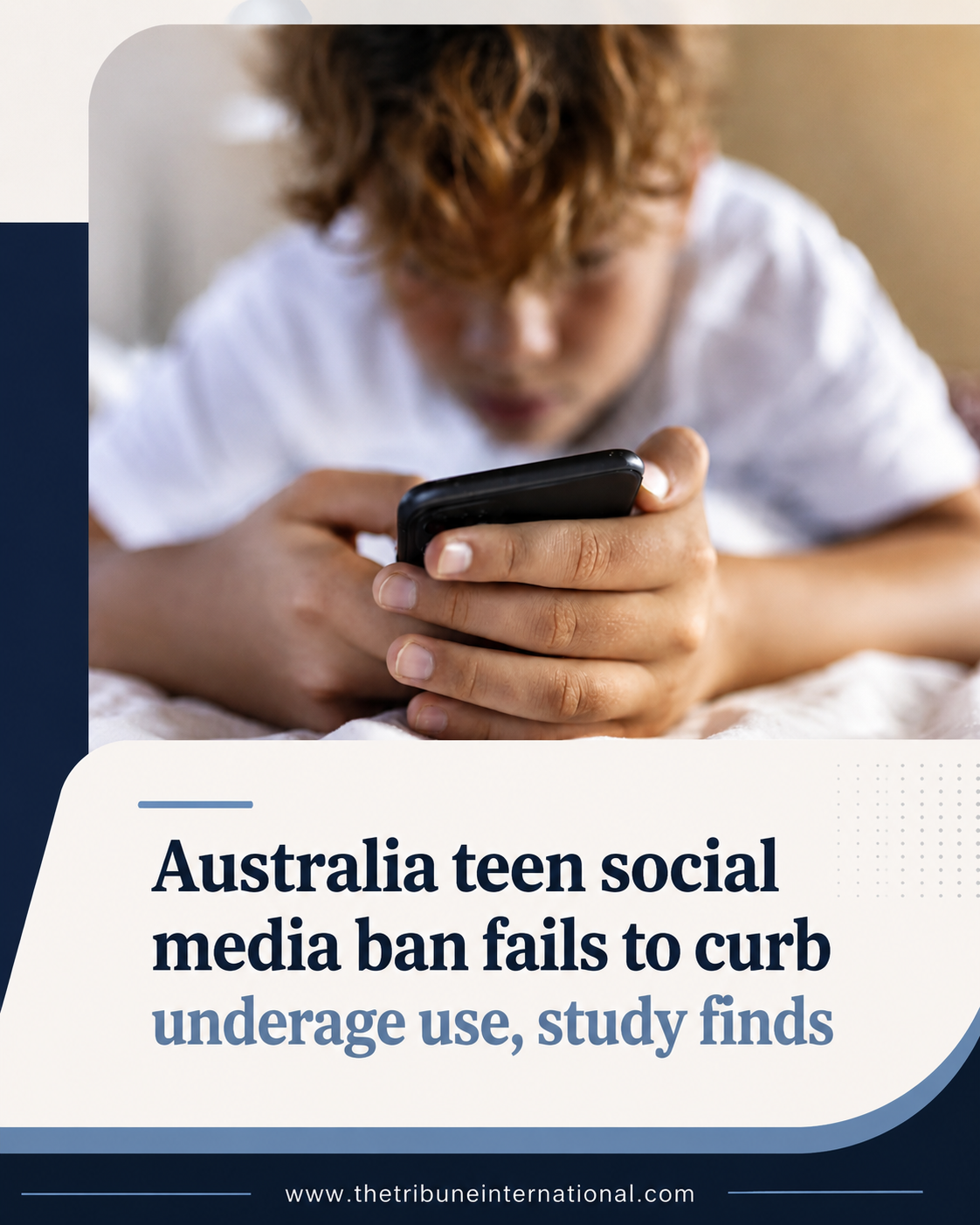
The study surveyed more than 400 young people before and after the restrictions were introduced and found insufficient evidence that the ban had significantly reduced social media use among children.
Researchers reported widespread circumvention of the rules, with usage among children aged 12 and 13 remaining largely unchanged, a slight decline among 14- and 15-year-olds, and increased use among those aged 16 and older.
The findings suggest that enforcement challenges remain despite the government’s efforts.
Global interest in Australia’s model
Australia’s legislation has attracted international attention as governments around the world consider stricter controls on children’s use of social media.
Countries including Britain, Indonesia, the United Arab Emirates and New Zealand are studying or developing similar measures aimed at reducing the impact of excessive social media use on young people.
A growing body of research has linked prolonged social media use among teenagers to anxiety, depression, sleep disruption and reduced overall well-being, prompting calls for stronger online safety regulations.
Technology companies have pledged to comply with Australia’s laws but have warned that stricter restrictions could unintentionally drive teenagers toward less-regulated areas of the internet where safety protections are weaker.
To meet the legal requirements, some platforms have begun using artificial intelligence to estimate users’ ages based on facial analysis, while others require users to upload government-issued identification to verify their age.
Meaning
The tougher penalties signal Australia’s determination to force major technology companies to take greater responsibility for protecting children online rather than relying on parents or users.
Impact
If approved, the reforms could make Australia one of the strictest regulators of social media worldwide and increase pressure on global technology firms to strengthen age verification systems.
Future Outlook
The legislation is expected to intensify scrutiny of major social media platforms while influencing similar online child safety laws under consideration in other countries.
Pakistan Angle
Pakistan has also debated stronger online child protection measures. Australia’s enforcement model may provide lessons for Pakistani regulators as concerns over children’s digital safety and social media addiction continue to grow.