



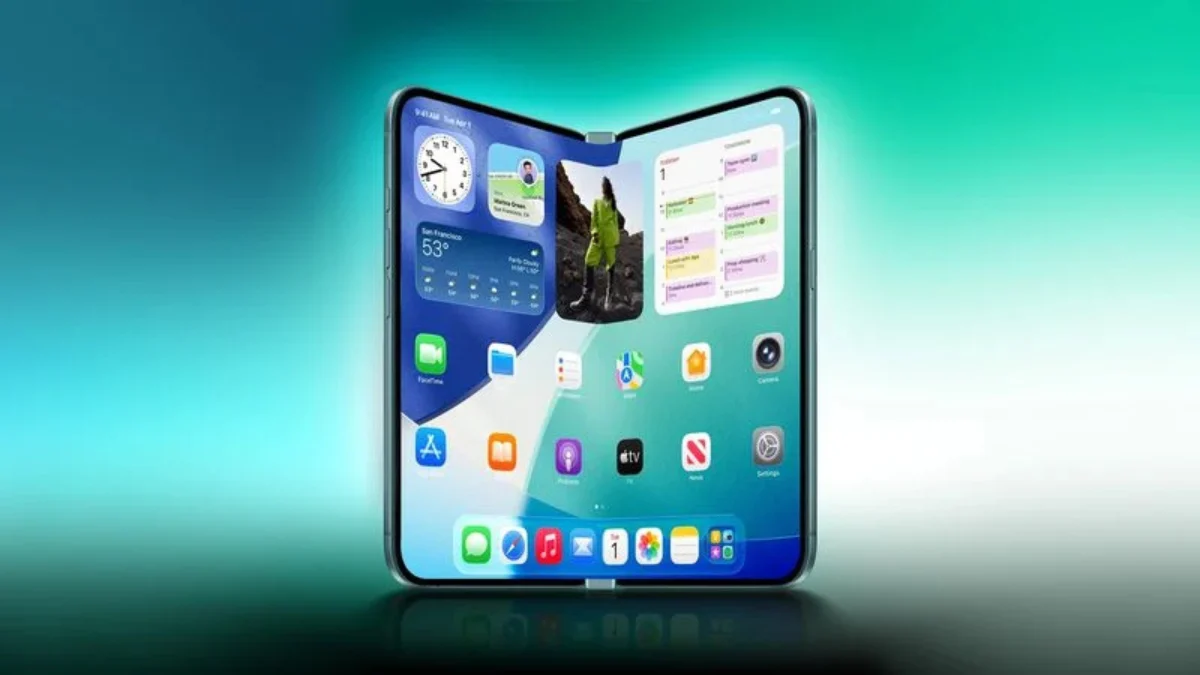
CUPERTINO (Tech Desk) – Apple is accelerating preparations for its long-awaited foldable iPhone, directing suppliers to increase production capacity ahead of the device’s expected debut in 2026. The move reflects growing confidence in the project and signals Apple’s intention to compete aggressively in the premium foldable smartphone segment.
According to industry reports, Apple has instructed manufacturing partners to prepare for the production of around 10 million foldable iPhones during the initial production cycle. The revised target is significantly higher than earlier estimates of seven to eight million units, suggesting that the company expects stronger demand than previously anticipated.
The production increase comes as Apple finalizes plans for its 2026 iPhone lineup, which is expected to include the iPhone 18, iPhone 18 Pro, iPhone 18 Pro Max and the company’s first foldable smartphone. Suppliers have reportedly secured components for nearly 80 million iPhones scheduled for manufacturing during the second half of next year.
Industry analysts estimate Apple’s total smartphone production for 2026 could exceed 220 million units. The company’s enormous purchasing power has enabled it to secure critical components despite continuing shortages affecting the global electronics industry.
Several Android smartphone manufacturers have reportedly reduced their production forecasts because of limited supplies of memory chips and other essential components. Apple, however, has continued placing large component orders, allowing it to maintain stable production schedules while competitors adjust output.
Reports indicate that some suppliers have been asked to prepare for orders of up to 85 million new iPhones during the latter half of 2026. The allocation includes components for Apple’s flagship devices as well as its first foldable model.
One of the biggest technical challenges facing the project had been the development of a durable hinge mechanism capable of withstanding years of repeated folding. Industry sources now suggest Apple has largely resolved those engineering issues after extensive testing.
The improved hinge design is expected to allow limited shipments shortly after the official launch, while full-scale mass production could begin before the end of 2026. Apple is believed to have spent several years refining the folding mechanism to eliminate common problems such as display creases and durability concerns seen in earlier foldable smartphones.
The foldable iPhone is expected to feature a book-style design with a large 7.8-inch internal display that unfolds into a tablet-sized screen. A smaller 5.5-inch external display would allow users to perform everyday tasks without opening the device.
Unlike recent flagship iPhones that rely on Face ID, reports suggest the foldable model may return to Touch ID, likely integrated into the power button to accommodate the device’s unique internal layout.
The smartphone is also expected to feature Apple’s next-generation A20 processor alongside the company’s C2 modem, delivering faster performance, improved energy efficiency and enhanced wireless connectivity. These upgrades are expected to support advanced artificial intelligence features and demanding productivity applications.
Market researchers believe the foldable iPhone will become Apple’s most expensive smartphone. Estimates place the average selling price at approximately $2,500, while premium storage configurations could approach $3,000, positioning the device firmly within the ultra-premium category.
Despite rising component costs across the electronics industry, Apple has so far avoided increasing prices for its latest iPhone models. However, analysts believe future flagship devices, including the foldable iPhone, could carry higher prices to offset manufacturing expenses and reflect their advanced technology.
The foldable device is widely expected to launch alongside the iPhone 18 Pro series during Apple’s traditional September product event in 2026. Industry reports also suggest Apple may introduce the device under the “iPhone Ultra” branding to distinguish it from the rest of the lineup.
If successful, Apple’s entry into the foldable smartphone market could significantly reshape the premium mobile industry. The company’s reputation for hardware refinement, software integration and ecosystem support may encourage broader consumer adoption of foldable devices while increasing competition among leading smartphone manufacturers worldwide.


