



DOHA (Web Desk) – Indirect negotiations between the United States and Iran continued in Doha on Wednesday as both sides sought to preserve a fragile ceasefire and advance discussions on maritime security, regional stability, and Iran’s nuclear programme.
The talks are taking place under a 14-point interim agreement reached last month following months of military confrontation. The accord paused hostilities that began after US and Israeli strikes on Iran earlier this year and created a 60-day framework for negotiations aimed at reaching a broader and more permanent agreement.
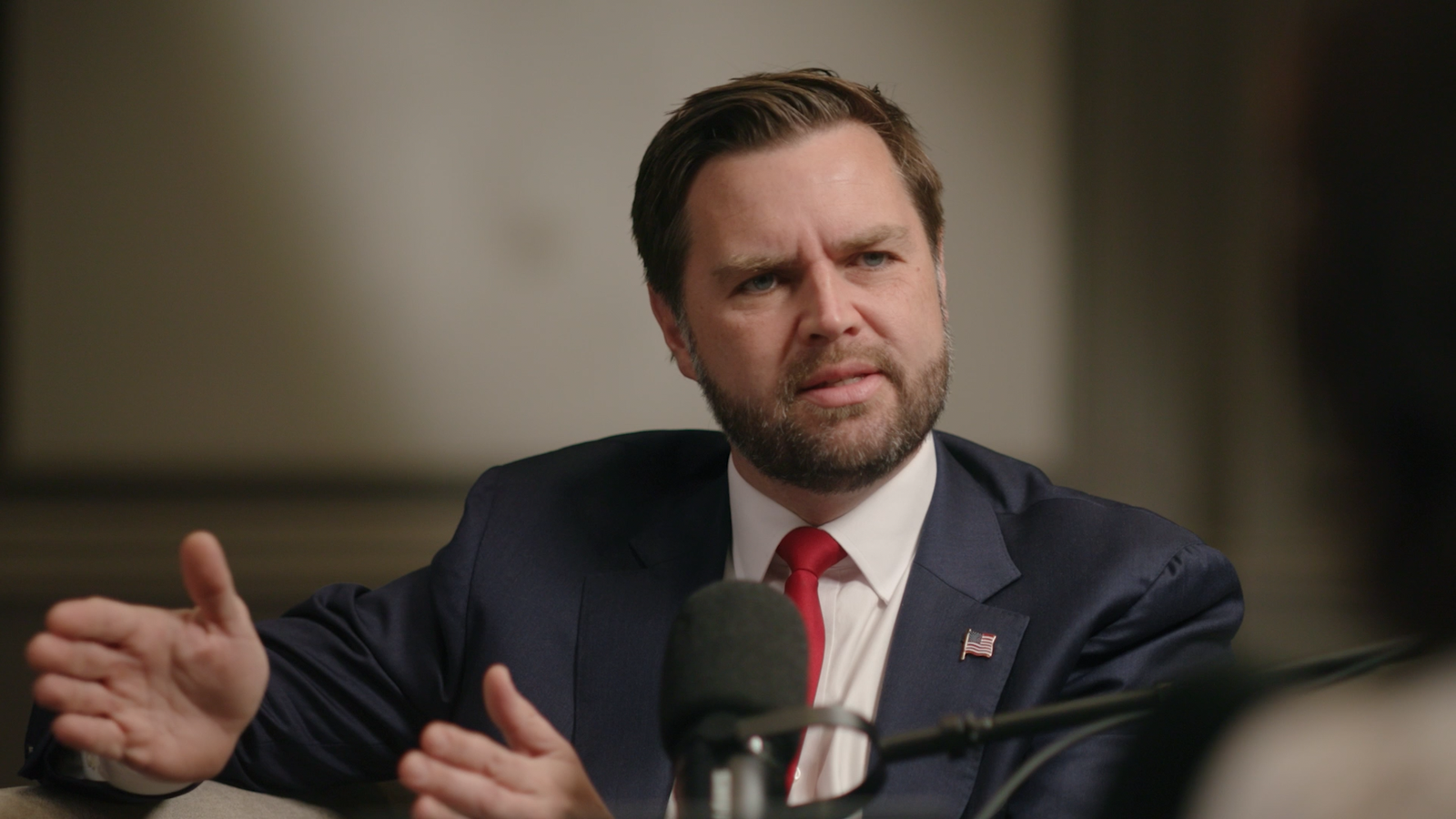
US Vice President JD Vance said discussions were progressing positively, although he cautioned that the outcome would depend on Iran’s willingness to meet the terms of future agreements.
Speaking during a visit to Virginia Beach, Vance said President Donald Trump remains committed to diplomacy and has instructed US officials to pursue a negotiated settlement. He added that military action would only be considered if it became absolutely necessary and served a clearly defined objective.
According to US officials, the current phase of negotiations is focused on ensuring the safe movement of commercial shipping through the Strait of Hormuz, one of the world’s most strategically important energy routes. The waterway carries a significant share of global oil and liquefied natural gas exports, making stability in the region essential for international energy markets.
Officials said discussions are expected to expand to Iran’s nuclear programme after progress is made on maritime security issues. Washington has repeatedly stated that preventing Iran from advancing its highly enriched uranium programme remains one of its top national security priorities.
President Donald Trump also expressed confidence that negotiations were moving in the right direction, saying efforts toward Iran’s denuclearisation were making progress. However, he did not provide additional details regarding the substance of the talks.
Iranian officials have maintained that their priorities include securing international recognition of their role in managing navigation through the Strait of Hormuz and obtaining the release of billions of dollars in frozen Iranian assets held abroad. Tehran considers both issues essential components of any long-term agreement with Washington.
The negotiations are being mediated by Qatar with additional diplomatic support from Pakistan. Officials familiar with the process said technical experts from both sides are participating alongside senior negotiators to address complex economic, security, and nuclear-related matters.
Despite the continuation of dialogue, differences remain over the interpretation of the interim agreement signed last month. Those disagreements contributed to limited military exchanges between the two countries during the past week, highlighting the fragile nature of the current ceasefire.
Commercial shipping through the Strait of Hormuz has gradually resumed following disruptions caused by the conflict. While traffic has improved, shipping analysts continue to describe navigation in the region as unpredictable due to ongoing security concerns.
The conflict significantly affected regional stability, resulting in heavy casualties and economic disruption across the Middle East. Rising tensions also pushed global energy prices higher before markets began stabilising as diplomatic efforts resumed.
Oil prices declined during Wednesday’s trading session as investors reacted to signs of continued negotiations and reduced concerns over immediate supply disruptions. Analysts said further progress in the Doha talks could help support greater stability in international energy markets.
The interim agreement also includes efforts to reduce tensions beyond the Gulf, including initiatives related to the security situation in Lebanon. Diplomatic discussions involving regional partners continue alongside the US-Iran negotiations as international mediators seek broader stability across the region.
While substantial differences remain between Washington and Tehran, both governments have indicated they prefer continued diplomacy over renewed military confrontation. The coming weeks are expected to determine whether the interim agreement can evolve into a comprehensive deal addressing nuclear concerns, regional security, and freedom of navigation in one of the world’s most critical maritime corridors.


