


By Our Correspondent
LAHORE – The Institute of Environmental Engineering and Research (IEER) at the University of Engineering and Technology (UET) Lahore has signed a landmark Memorandum of Understanding (MoU) with the Rural Community Development Society (RCDS), aimed at promoting environmental sustainability, innovative research, and rural development.
Read also: Kinnaird College hosts IEEE Women in Engineering Leadership Summit and TechFusion 2.0
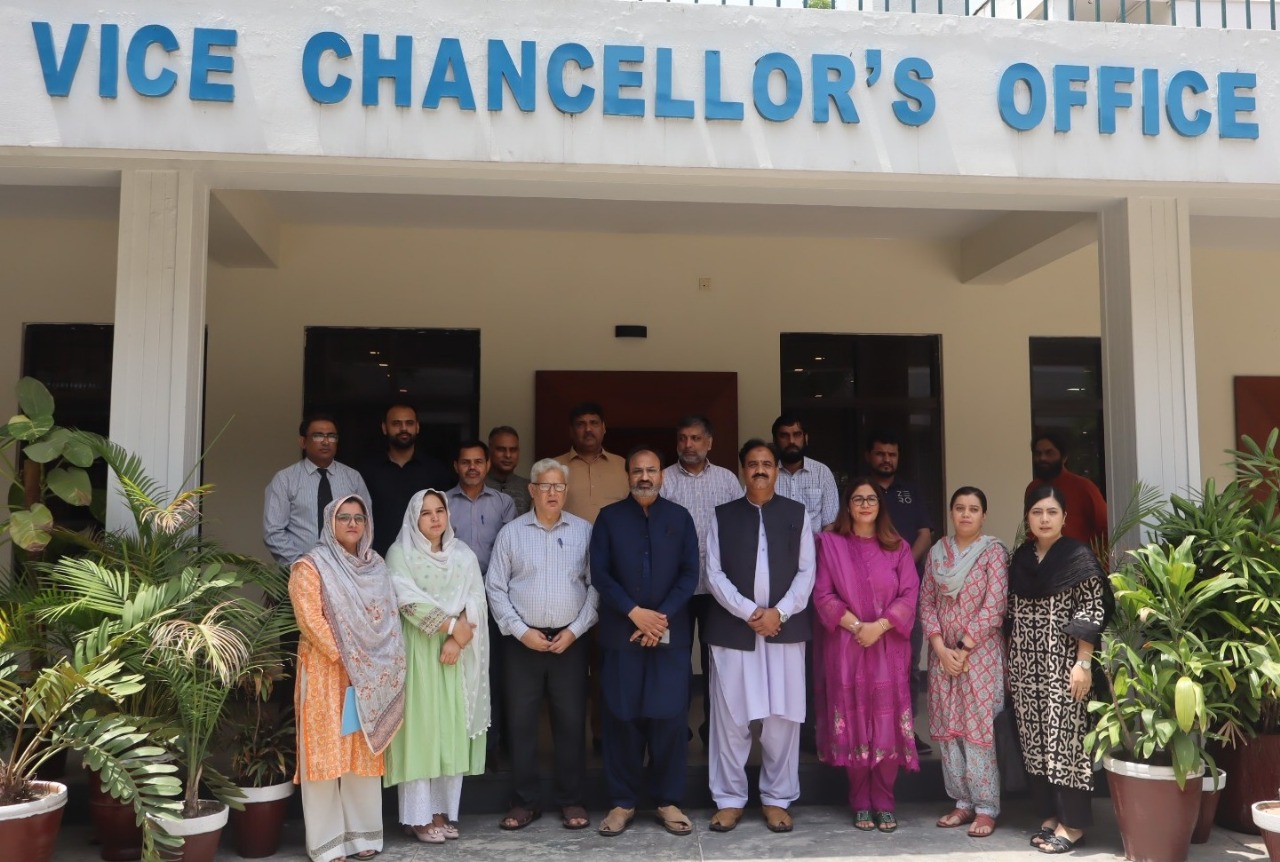
The agreement, formally signed by UET Vice Chancellor Prof. Dr. Shahid Munir and RCDS Managing Director Mr. Qaisar Iqbal, establishes a comprehensive framework for collaboration across critical areas. It seeks to bridge academic research with on-ground development efforts, offering students valuable hands-on experience while contributing to real-world solutions.
The partnership is built upon several strategic pillars, extending beyond traditional academic exchanges. It emphasizes impactful contributions to environmental sustainability and rural community empowerment through education, research, and direct engagement.
A key focus of the MoU is the promotion of joint research initiatives, co-authored publications, and collaborative proposals—potentially leading to patents. The research will primarily address issues related to climate change, environmental protection, and broader social development, aligning closely with RCDS’s mission of community upliftment.
UET Lahore will also provide RCDS with technical support, participate in technical working group meetings, and collaborate in national and international conferences. The partnership aims to foster strong linkages between academia, researchers, and civil society organizations.
As part of the agreement, final-year UET students will be offered internships at RCDS, allowing them to apply theoretical knowledge to practical challenges. Student-led social responsibility projects will also be encouraged, enabling students to contribute directly to community welfare and environmental protection.
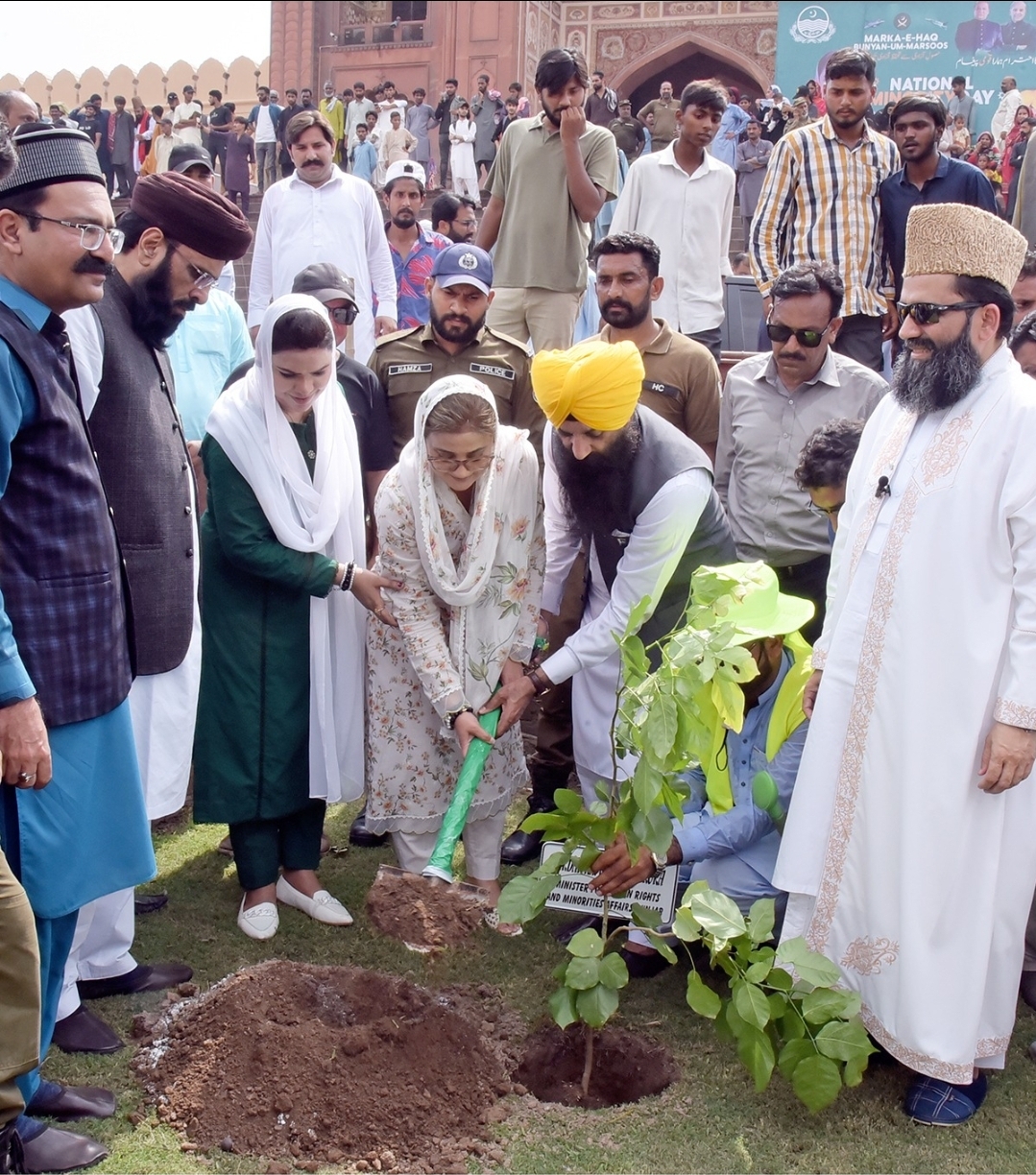
The two institutions are committed to raising climate change awareness through a series of initiatives, including robust reforestation campaigns. These efforts will be supported by joint social media outreach, seminars, conferences, and workshops to spread environmental awareness and responsibility among students and the broader public.
This collaboration marks a significant step toward integrating academia with community-based solutions for sustainable development in Pakistan.