


By Our Correspondent
LAHORE –HomeNet Pakistan (HNP), in collaboration with the State Bank of Pakistan (SBP) under a Memorandum of Understanding (MoU), organised an awareness and financial inclusion session aimed at improving access to banking services and financial products for women home-based workers and micro-entrepreneurs.
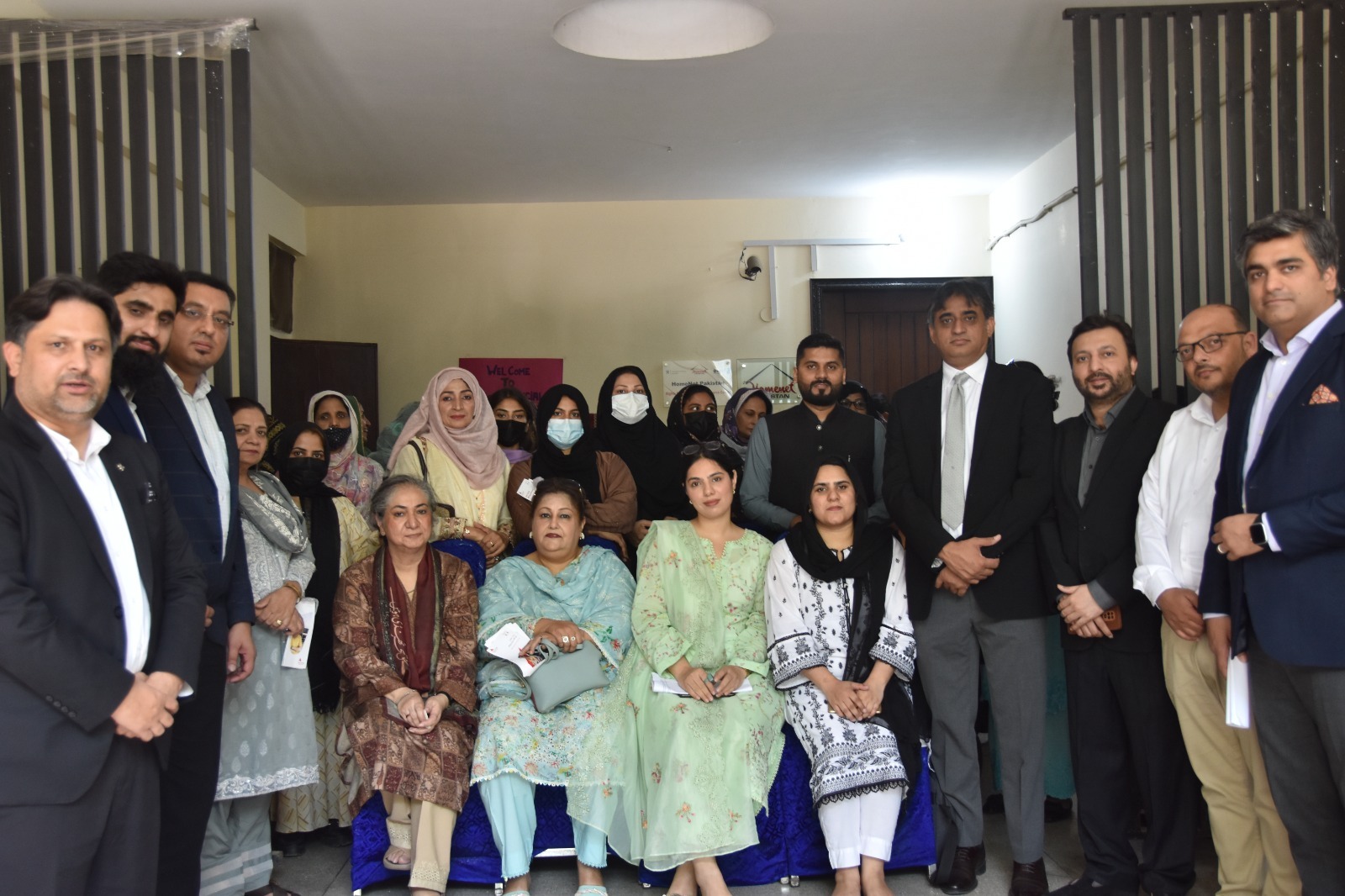
The session, held at the head office of HomeNet Pakistan in Lahore, brought together 30 women micro-entrepreneurs from across the city alongside representatives from the State Bank of Pakistan, commercial banks, and financial institutions.
The initiative was designed to increase financial literacy, promote access to formal banking services, and create opportunities for women-led businesses to expand through improved financial inclusion.
Speaking on the occasion, Executive Director of HomeNet Pakistan, Ms Ume Laila Azhar, welcomed participants and highlighted the importance of financial inclusion in strengthening women’s economic empowerment.
She said improving women’s access to financial resources and formal banking channels remains essential for enabling sustainable livelihoods and strengthening women-led enterprises across Pakistan.
Representatives from the State Bank of Pakistan included Deputy Chief Omer Makhdoom alongside Assistant Directors Qurat ul Ain and Muhammad Talha from the Financial Inclusion Department.
Officials from participating commercial banks also attended the event, including representatives from Faysal Islamic Bank and Bank Alfalah, who shared information regarding banking products specifically designed for small businesses, women entrepreneurs, and micro-enterprises.
Representatives from partner banks delivered detailed presentations on financial products, business financing opportunities, savings mechanisms, digital banking services, and other facilities available to support small businesses and home-based enterprises.
The participating banks also facilitated on-site registration for various banking products and services, allowing women entrepreneurs to begin accessing formal financial services directly through participating institutions.
The session remained highly interactive, giving participants the opportunity to raise concerns, discuss challenges, and seek guidance regarding banking procedures, financing options, and barriers faced when accessing financial services.
Representatives from the State Bank and participating banks responded to questions raised by attendees and provided practical guidance regarding available financial solutions and opportunities.
Organisers said such initiatives are intended to reduce financial exclusion among women entrepreneurs and encourage greater participation in formal economic systems.
HomeNet Pakistan reiterated its commitment to working alongside the State Bank of Pakistan and financial institutions to strengthen women-led enterprises, promote financial inclusion, and create an enabling environment for home-based workers and micro-entrepreneurs nationwide.
HomeNet Pakistan is a network of organisations working to empower home-based workers, particularly women, through advocacy, capacity building, social protection initiatives, and economic empowerment programmes aimed at improving livelihoods and recognising their contribution to the economy.


