


By M Qadeer
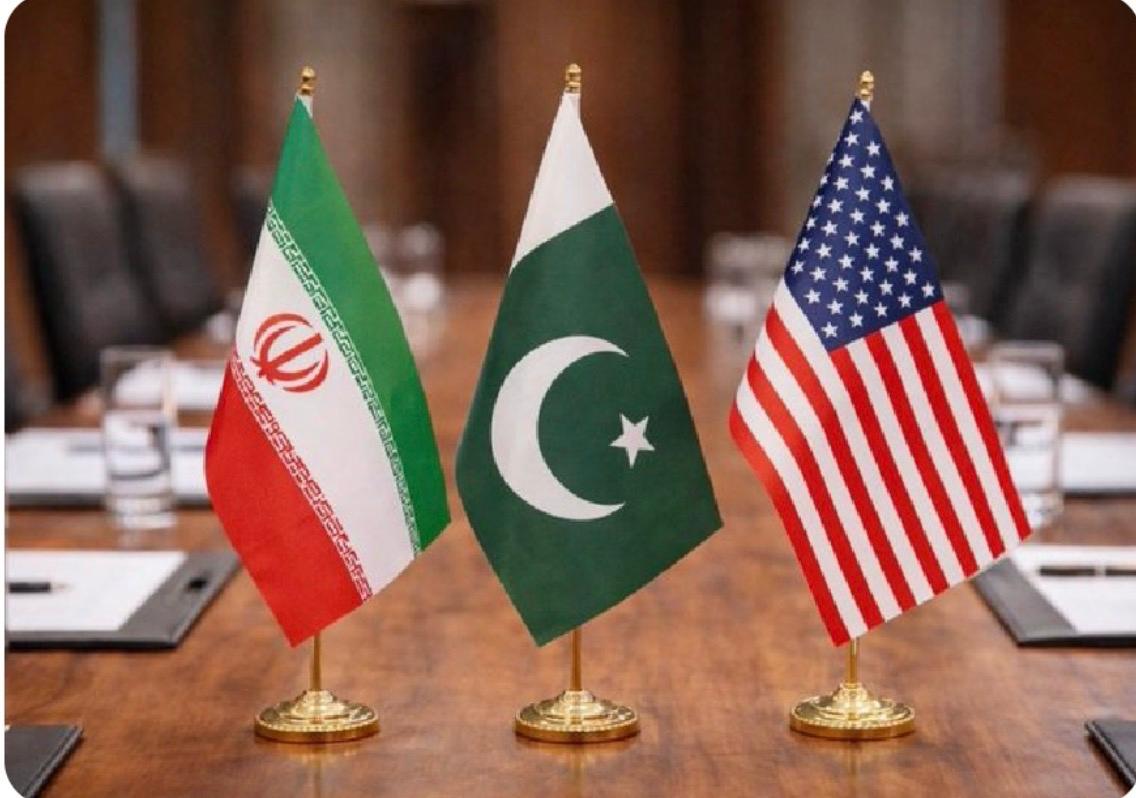
ISLAMABAD, April 10 — High-stakes talks between the United States and Iran in Islamabad are expected to produce cautious progress towards de-escalation, though a comprehensive agreement remains unlikely at this stage.
Diplomatic sources suggest the most immediate outcome could be an extension of the existing ceasefire, providing both sides additional time to negotiate more complex issues, including sanctions relief and nuclear commitments.
Read also: Operation Bunyan al-Marsus: Pakistan’s role in US-Iran ceasefire gains global attention
Analysts believe the discussions may result in a preliminary framework outlining future negotiations rather than a final settlement. Key sticking points—particularly Iran’s nuclear programme and US economic sanctions—are expected to require prolonged dialogue.
There is also optimism that both sides could agree on confidence-building measures, such as prisoner exchanges, reduced military signalling and the establishment of direct communication channels to avoid misunderstandings.
RelatedPosts
Security arrangements in strategic waterways, including the Strait of Hormuz, are also likely to feature in discussions, given their importance to global energy markets.
However, experts caution that deep-rooted mistrust between Washington and Tehran may limit immediate breakthroughs, with both sides maintaining firm positions on core demands.
Regional implications remain significant, as any progress could help ease tensions across the Gulf, although parallel conflicts involving other actors may continue independently.
Officials in Pakistan view the talks as an opportunity to reinforce the country’s role as a facilitator of dialogue, regardless of the final outcome.
Diplomatic observers note that even incremental progress would be considered a positive step in preventing further escalation, while failure could risk renewed instability in the region.


