


By Web Desk
The dramatic shooting scare at the 2026 White House Correspondents’ Dinner has triggered urgent questions across the United States: Who opened fire at one of Washington’s most high-profile events, and why?
Read also: Trump rushed from White House correspondents’ dinner after gunfire sparks panic in Washington
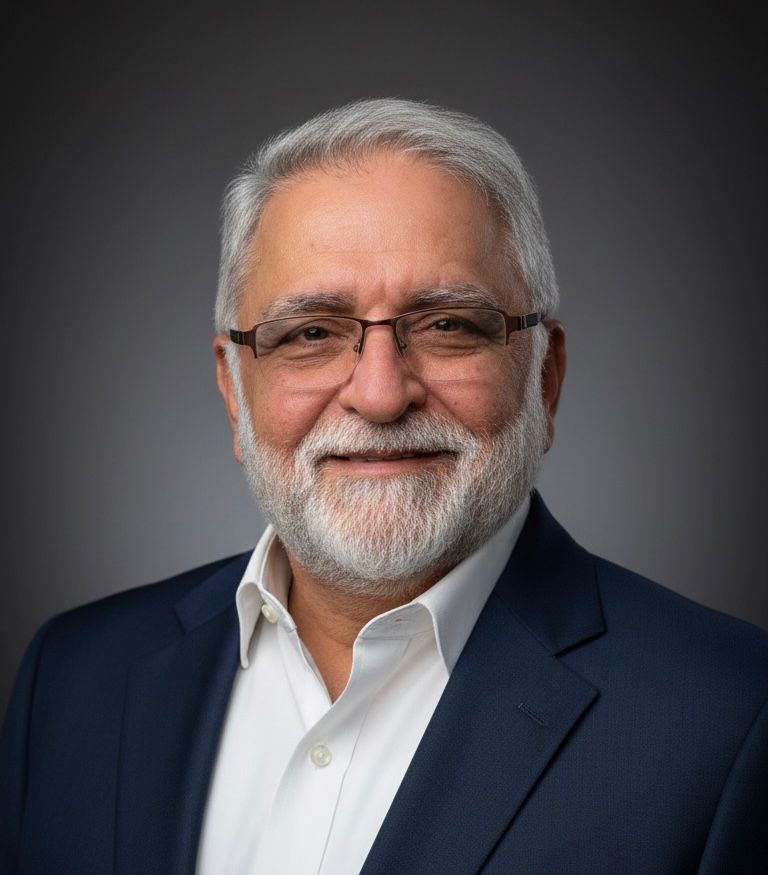
According to early law enforcement findings, the suspect identified by multiple U.S. media reports is Cole Tomas Allen, a 31-year-old California man who allegedly acted alone in the attack at the Washington Hilton.
While the investigation is ongoing and authorities continue to examine motive, initial evidence suggests the shooting was carried out by a lone gunman who breached a Secret Service security checkpoint near the dinner venue.
The annual White House Correspondents’ Association dinner — attended by political leaders, journalists, celebrities and diplomats — descended into chaos when shots rang out near the main security screening area shortly after proceedings were underway. Guests reportedly ducked under tables as Secret Service agents rushed United States President Donald Trump, First Lady Melania Trump and senior officials from the ballroom.
The Suspect
Investigators say the suspect arrived armed with a shotgun, a handgun and knives, raising troubling questions about planning and security vulnerabilities. Reports suggest he may have been staying at the hotel before the attack, fueling speculation the incident may have been premeditated.
Authorities have not announced a definitive motive, but officials say writings and materials linked to the suspect are being reviewed. Whether the assailant was targeting President Trump, government officials, the media gathering itself, or simply sought to create terror remains under investigation.
Law enforcement officials say the suspect charged toward a Secret Service checkpoint and exchanged gunfire before being subdued and taken into custody. One Secret Service officer was reportedly struck in a bullet-resistant vest and is expected to recover.
Was it an assassination attempt?
That remains one of the central questions.
Some analysts have described the incident as a possible assassination attempt given the president’s presence and the suspect’s attempt to breach the protected security perimeter. However, authorities have stopped short of formally labeling it that.
Officials have so far emphasized one critical fact: the suspect never reached the main ballroom, where thousands of guests were gathered. Secret Service intervention appears to have prevented what could have become a far deadlier tragedy.
President Trump later praised security forces for acting “quickly and bravely,” while promising the correspondents’ dinner would be rescheduled.
Security questions mount
The shooting has sparked major scrutiny over how an armed suspect approached one of the most secure political events in America.
How did a man allegedly carrying multiple weapons get so close?
Were there failures in screening or perimeter security?
Did intelligence agencies miss warning signs?
These questions now dominate political and media circles. Security experts say the incident may lead to a major overhaul of protections surrounding high-profile public events involving presidents and cabinet members.
Some commentators have already drawn comparisons to previous attacks or attempted attacks against political figures, warning of a worsening security climate in the United States.
Motive still a mystery
For now, motive remains the biggest unknown.
Authorities have not publicly linked the suspect to any extremist organization or broader conspiracy. Officials have instead described him as appearing to be a “lone wolf,” though investigators are probing whether ideology, grievance, mental instability or political motives played a role.
That uncertainty has fueled intense speculation online — much of it unverified.
Some social media claims have suggested broader plots, but federal investigators have provided no evidence of additional suspects or coordinated involvement.
For now, officials say there is no indication others participated in the attack.
A Night meant for journalism turned into panic
The White House Correspondents’ Dinner is traditionally a night of satire, politics and press freedom — not gunfire and evacuation drills.
Witnesses described panic, screams and confusion as guests sought cover while heavily armed security teams flooded the scene. For many attendees, it was a jarring reminder of the fragility of security even at elite, heavily guarded events.
Instead of celebrating journalism and democratic tradition, the evening became a symbol of rising political tension and security fears.
What happens next
Federal charges are expected to expand as the investigation develops. Authorities are examining the suspect’s background, travel history, writings and digital footprint for clues.
The biggest unanswered question remains why.
Who fired at the White House Correspondents’ Dinner may now have a name.
But why he did it — and whether warning signs were missed — may shape the bigger story still unfolding.
Until investigators provide fuller answers, America is left with a troubling image: one of the nation’s most symbolic political gatherings interrupted by gunfire, and a country once again confronting violence at the doorstep of power.