


By The Tribune International Staff
LAHORE: The government’s proposal to introduce work-from-home arrangements, online classes and other fuel conservation measures reflects the seriousness of the emerging regional crisis affecting global oil supplies. However, experts believe that meaningful and sustainable savings will only come through structural reforms in government consumption, particularly in the use of official vehicles and privileges.
Read also: Govt considers work-from-home, distance learning measures to conserve fuel amid regional tensions
The plan, currently under review by the federal government, seeks to revive several austerity measures that were implemented during the Covid-19 pandemic. These include remote work, and car-pooling to reduce fuel consumption and limit pressure on Pakistan’s foreign exchange reserves.
While these measures may provide short-term relief, analysts argue that the government must also lead by example by reducing fuel usage within its own administrative structure.
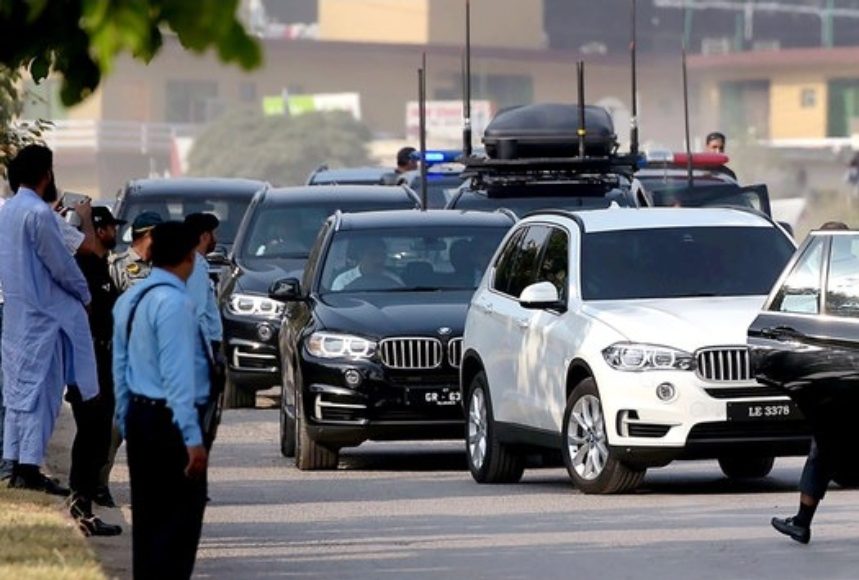
One of the most significant areas for potential savings lies in the large fleet of official vehicles used by ministers, senior bureaucrats and VIP protocol teams. In many cases, a single VIP is accompanied by two to three large protocol vehicles and security escorts. Reports indicate that up to a dozen personnel may be deployed for one official movement, often travelling in large engine-capacity vehicles consuming substantial amounts of petrol and diesel.
Energy analysts say limiting the engine capacity of official vehicles to smaller models — for example, 1000cc or similar — could significantly reduce fuel consumption. Large luxury vehicles with engines exceeding 3000cc or 4000cc consume far more fuel and place unnecessary pressure on national resources during times of crisis.
Similarly, the practice of providing free or heavily subsidised fuel to government officials should be carefully reviewed. Gradual reduction in such privileges could encourage more responsible fuel usage across the public sector.
Education experts, however, caution that while remote learning may save fuel, it should not come at the cost of educational quality. Pakistan’s education sector has already faced repeated disruptions due to smog, fog, extreme winters and previous pandemic closures. Further reliance on online learning without proper infrastructure could widen learning gaps.
Instead of long-term closures, policymakers should explore hybrid solutions that preserve academic continuity while minimising travel-related fuel consumption.
Urban planners also suggest reviving non-motorised transport options. Encouraging the use of bicycles, especially for short-distance travel in cities and educational campuses, could help reduce fuel demand while promoting healthier lifestyles.
Ultimately, while temporary conservation measures can help stabilise fuel demand during periods of global uncertainty, experts believe the most effective strategy lies in reducing government consumption, reforming official transport policies and promoting sustainable mobility across society.