


By M Qadeer
The relationship between Iran and the United States has undergone a dramatic transformation over the past seven decades, from cautious cooperation to entrenched hostility that now shapes geopolitics in the Middle East.
Read also: Mojtaba Khamenei to deliver first address as Iran’s new leader
In the early years following World War II, Iran and the United States maintained a functional partnership. Iran under Shah Mohammad Reza Pahlavi was seen as a stable U.S. ally in a strategically vital region due to its oil wealth and geographic position. Washington supported the shah’s regime as a bulwark against Soviet influence during the Cold War, and bilateral ties were largely pragmatic, centred on security cooperation and economic interests.
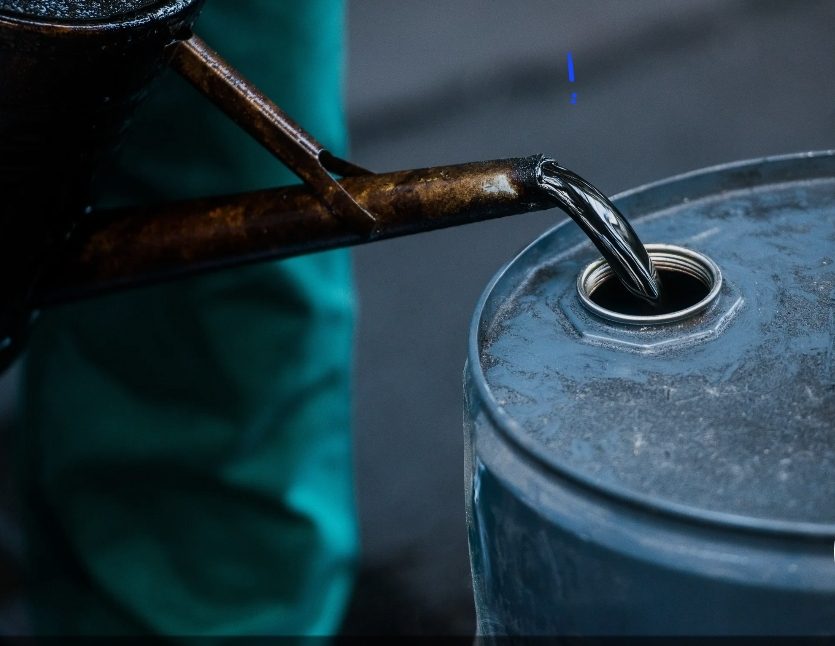
However, a pivotal turning point occurred in 1953 when the democratically elected Iranian Prime Minister Muhammad Mossadegh nationalised the country’s oil industry — much of which had been controlled by Western companies. Viewing this move as a threat to Western economic interests and regional stability, the U.S. Central Intelligence Agency (CIA) and Britain’s MI6 orchestrated a coup that overthrew Mossadegh and reinstated the shah with greater powers. This intervention left deep resentment among many Iranians, who increasingly viewed the United States as meddling in their nation’s sovereignty.
Despite this early strain, U.S.–Iran relations continued under the monarchy, though critics of the shah lamented his authoritarian rule and close ties with Washington. The situation changed dramatically with the 1979 Islamic Revolution, when mass protests ousted the shah and brought Ayatollah Ruhollah Khomeini to power. The new revolutionary government rejected American influence and replaced the pro‑Western monarchy with a theocratic system that embraced anti‑imperialist rhetoric. Diplomatic relations collapsed later that year after Iranian students stormed the U.S. Embassy in Tehran and held over 50 American diplomats and citizens hostage for 444 days. This crisis cemented mutual mistrust and led to severed diplomatic ties, enduring sanctions and decades of hostility.
The 1980s and 1990s were marked by sustained animosity. The U.S. backed Iraq during the Iran–Iraq War, supplying weapons and intelligence as the two neighbours fought a brutal conflict. Washington also designated Iran part of an “Axis of Evil” during the early 2000s under President George W. Bush, reinforcing perceptions of Iran as a hostile state supporting terrorism and seeking regional dominance.
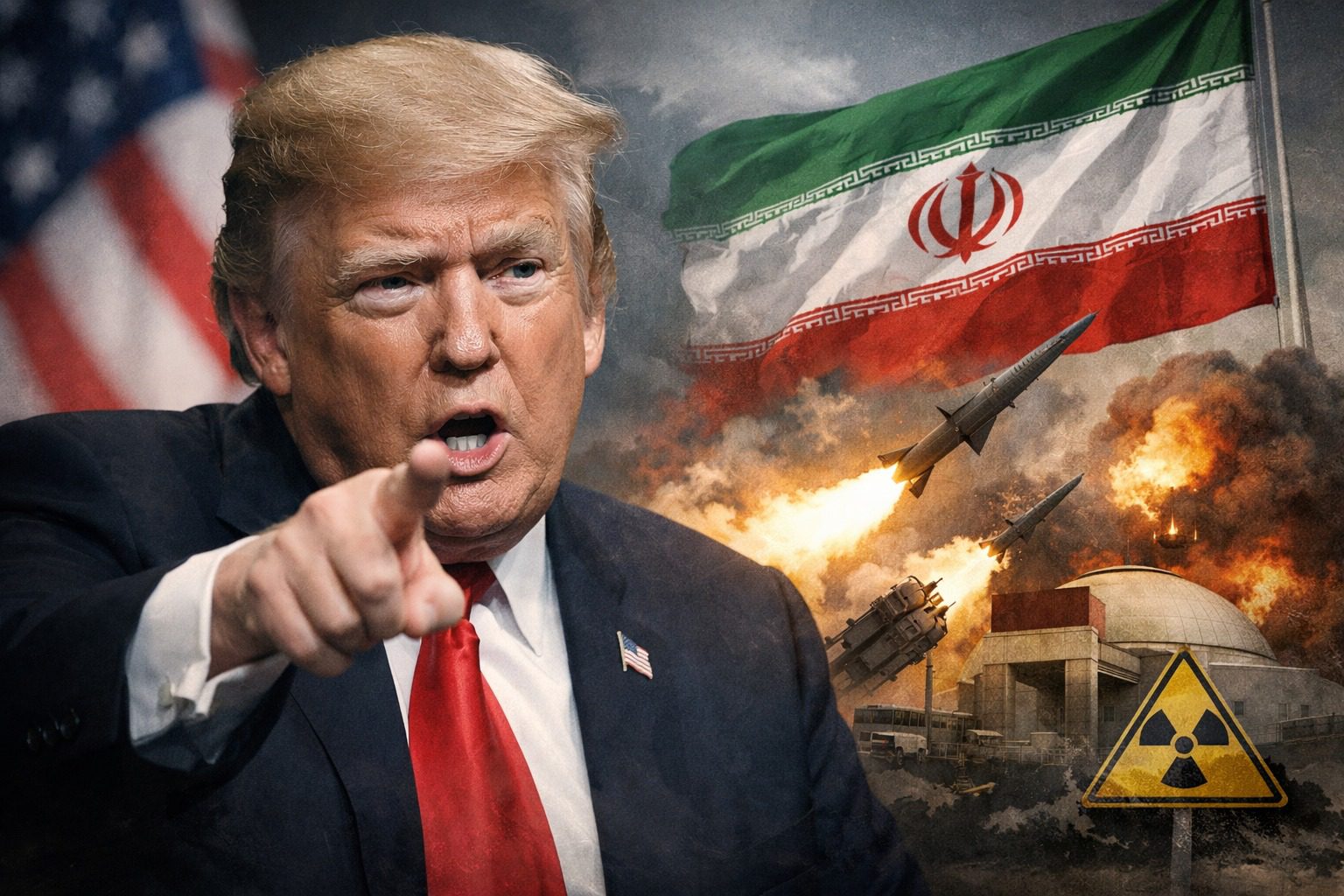
A brief diplomatic thaw occurred with the 2015 Joint Comprehensive Plan of Action (JCPOA) — commonly known as the Iran nuclear deal — under U.S. President Barack Obama. Iran agreed to limit its nuclear programme in exchange for sanctions relief. However, the rapprochement proved fragile. In 2018, President Donald Trump withdrew the U.S. from the deal and reimposed severe economic sanctions, straining relations further.
In recent years, tensions have escalated beyond diplomacy. U.S. forces killed Iranian General Qassem Soleimani in 2020, and Iran has supported proxy groups that have clashed with American troops and interests across the Middle East. By 2025–26, regional conflict has intensified, with joint U.S.–Israeli strikes on Iranian targets, Iranian retaliation and expanding militia clashes prompting fears of wider war.
Today, Iran and the U.S. are bitter adversaries with no formal diplomatic relations, separated by decades of mistrust, competing strategic interests, and divergent political ideologies. What began as pragmatic cooperation has evolved into hostility shaped by interventions, revolution, nuclear disputes and regional power struggles — a trajectory that continues to complicate efforts at peace and stability in the region.