


By Our Correspondent
ISLAMABAD: Military tensions between the United States and Iran intensified on Tuesday, with both sides exchanging fresh attacks across the Middle East, while Pakistan continued diplomatic efforts aimed at reviving a collapsed ceasefire arrangement.
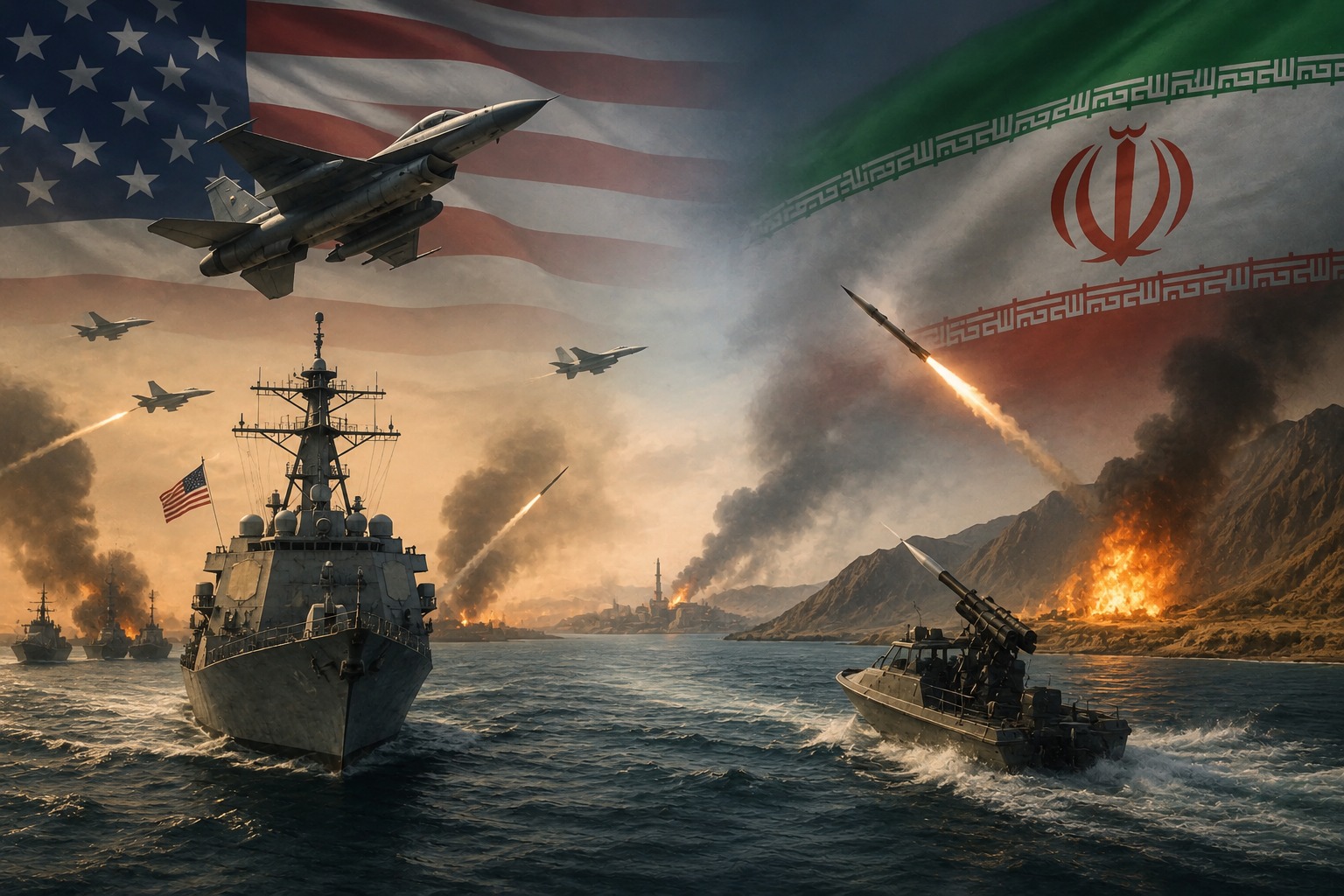
The latest escalation comes as fighting around the Strait of Hormuz, one of the world’s most important energy shipping routes, disrupts global trade and raises concerns over regional stability.
Pakistan seeks to revive diplomacy
Iranian Interior Minister Eskandar Momeni visited Pakistan for high-level meetings with Prime Minister Shehbaz Sharif and Field Marshal Asim Munir as Islamabad sought to encourage renewed dialogue between Tehran and Washington.
According to an official statement, Prime Minister Shehbaz Sharif expressed deep concern over the growing military confrontation and urged all parties to exercise restraint to prevent further instability in the region.
Pakistan has been attempting to facilitate diplomatic engagement after an interim ceasefire understanding between the United States and Iran broke down earlier this month.
US-Iran military operations continue
The United States continued air operations targeting what it described as Iranian military infrastructure, including command centres, missile launch sites, drone facilities, maritime assets and air defence systems.
Iran, meanwhile, maintained pressure around the Strait of Hormuz, where maritime security remains under strain. Reports indicated that another commercial vessel came under attack, adding to growing concerns over the safety of international shipping through the strategic waterway.
The Strait of Hormuz normally carries roughly one-fifth of the world’s seaborne oil exports, making any disruption a major concern for global energy markets.
Regional tensions spread
The conflict has expanded beyond the Gulf, with several US allies in the region reporting incoming missile and drone threats.
Regional authorities activated air defence systems and emergency alerts as security concerns spread across the Middle East.
Meanwhile, Yemen’s Houthi movement announced additional measures affecting maritime traffic in the Red Sea, further increasing pressure on one of the world’s busiest shipping corridors.
Oil prices remain under pressure
Growing uncertainty over energy supplies has pushed international oil prices higher as traders monitor developments in the Gulf.
Analysts warn that any prolonged disruption to shipping through the Strait of Hormuz could affect global fuel supplies, increase transportation costs and place additional pressure on inflation in energy-importing countries.
Diplomatic uncertainty remains
US President Donald Trump indicated there was currently little prospect of direct talks with Iran, suggesting Washington was not prepared for negotiations under existing conditions.
Despite the continued military exchanges, Pakistan remains engaged in diplomatic efforts aimed at encouraging both sides to return to negotiations and reduce regional tensions.
With no immediate breakthrough in sight, the conflict continues to raise concerns about energy security, international shipping and broader geopolitical stability.


