


ISLAMABAD/WASHINGTON (Web Desk) – Efforts to advance diplomacy over the Iran conflict suffered a setback on Saturday after US President Donald Trump cancelled a planned visit by two American envoys to Pakistan, dimming hopes for renewed peace talks.
Read also: Iranian FM Araghchi arrives in Islamabad as second round of US-Iran talks gathers momentum
The cancelled trip by US envoys Steve Witkoff and Jared Kushner came as Iranian Foreign Minister Abbas Araqchi wrapped up his Islamabad visit without any visible breakthrough, despite meetings with Prime Minister Shehbaz Sharif and other senior Pakistani officials.
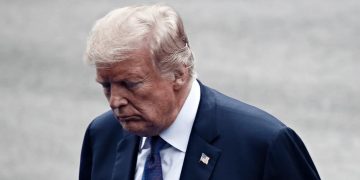
Trump, speaking to reporters in Florida before returning to Washington, said he called off the envoys’ visit because the talks involved excessive travel and expense, while Iran’s latest peace proposal did not meet US expectations.
According to Trump, Tehran had improved its offer after the visit was cancelled, but he said it was still insufficient. In a social media post, he also claimed internal divisions within Iran’s leadership were complicating diplomacy.
“Nobody knows who is in charge,” Trump wrote, while reiterating Washington’s readiness for talks if Tehran chooses engagement.
The development dealt a blow to Pakistan’s mediation efforts, as Islamabad has sought to position itself as a facilitator for dialogue amid escalating regional instability.
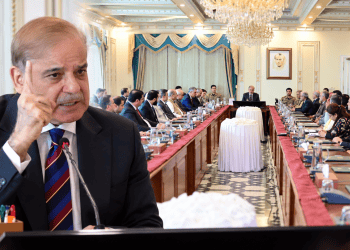
Prime Minister Shehbaz Sharif reaffirmed Pakistan’s commitment to peace diplomacy, saying the country was ready to serve as an “honest and sincere facilitator” for durable peace and long-term regional stability.
Sharif also held a conversation with Iranian President Masoud Pezeshkian on the evolving security situation, underscoring Pakistan’s support for diplomatic solutions.
Although no formal progress emerged from Araqchi’s Islamabad meetings, the Iranian foreign minister described the visit as “very fruitful,” saying he shared Tehran’s views on a workable framework for permanently ending the war.
However, he questioned whether the United States was genuinely committed to diplomacy.
Iranian media later reported Araqchi had travelled to Muscat, Oman, for consultations with senior officials on bilateral ties and regional developments, raising speculation about renewed diplomatic maneuvering through Oman, which has often played a mediating role.
Despite these contacts, signs of deadlock remain.
Iran has ruled out a fresh round of direct negotiations with Washington, while an Iranian diplomatic source said Tehran would reject what it described as US “maximalist demands.”
The diplomatic uncertainty unfolded as tensions also flared on another front.
Israeli Prime Minister Benjamin Netanyahu ordered forces to intensify attacks on Hezbollah targets in Lebanon, according to his office, putting additional strain on a fragile three-week ceasefire.
The move added to concerns that the conflict could widen despite ongoing truce efforts.
Washington and Tehran remain at odds over several major issues, including security arrangements and economic pressure.
Iran has largely closed the Strait of Hormuz — a vital global energy route through which around one-fifth of the world’s oil and liquefied natural gas shipments typically pass — while the United States has continued restrictions on Iranian oil exports.
The standoff has added pressure to global energy markets, with oil prices climbing to multi-year highs and fueling inflation concerns worldwide.
The conflict traces back to US-Israeli airstrikes on Iran on February 28, followed by Iranian strikes targeting Israel, US military bases and Gulf states.
Though a ceasefire is currently in place, continued military actions and stalled diplomacy have raised doubts over how long the truce can hold.
The White House had signaled cautious optimism in recent days, saying some progress had been seen from the Iranian side.
Press Secretary Karoline Leavitt said Washington hoped momentum could build over the weekend, while Vice President JD Vance had also been prepared to travel to Pakistan if talks advanced.
Vance had led an earlier round of unsuccessful talks with Iran in Islamabad this month, reflecting Pakistan’s growing but difficult diplomatic role.
Analysts say Trump’s cancellation of the envoys’ trip underscores the fragile state of negotiations and the lack of trust between Washington and Tehran.
With peace efforts stalled, military tensions rising and regional actors pursuing parallel diplomacy, prospects for a durable breakthrough remain uncertain.
For now, Pakistan’s mediation push continues, but Saturday’s developments highlighted how quickly hopes for diplomacy can be overshadowed by political divisions and conflict on the ground.