


By Our Correspondent
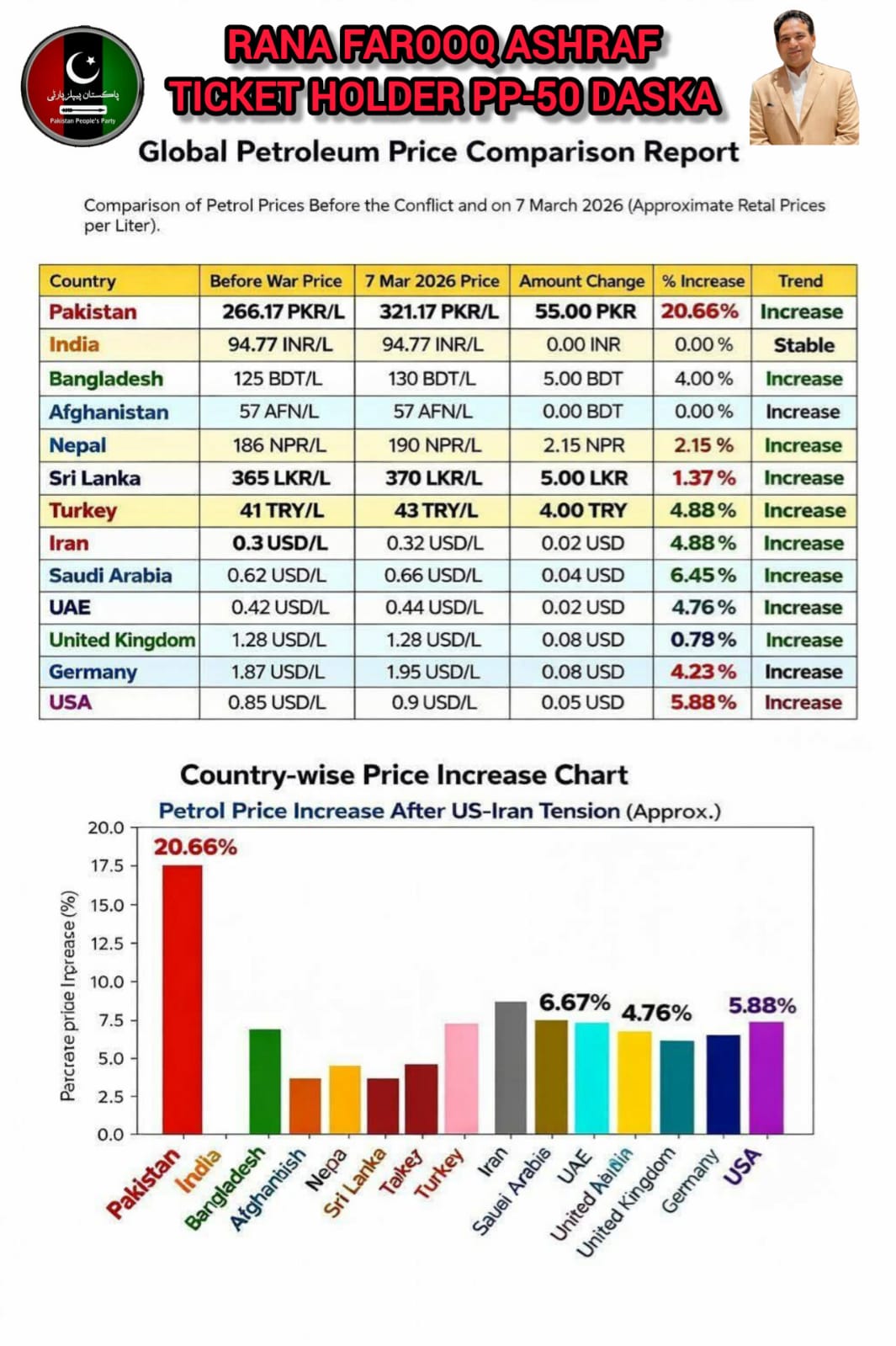
LAHORE: Senior Pakistan Peoples Party leader and ticket holder for PP-50, Rana Farooq Ashraf, has issued a detailed white paper criticizing the recent unprecedented increase in petroleum prices in Pakistan, terming it a major burden on the common people.
Read also: PPP in Punjab: Past glory, present challenges, and urgent need for organizational reform
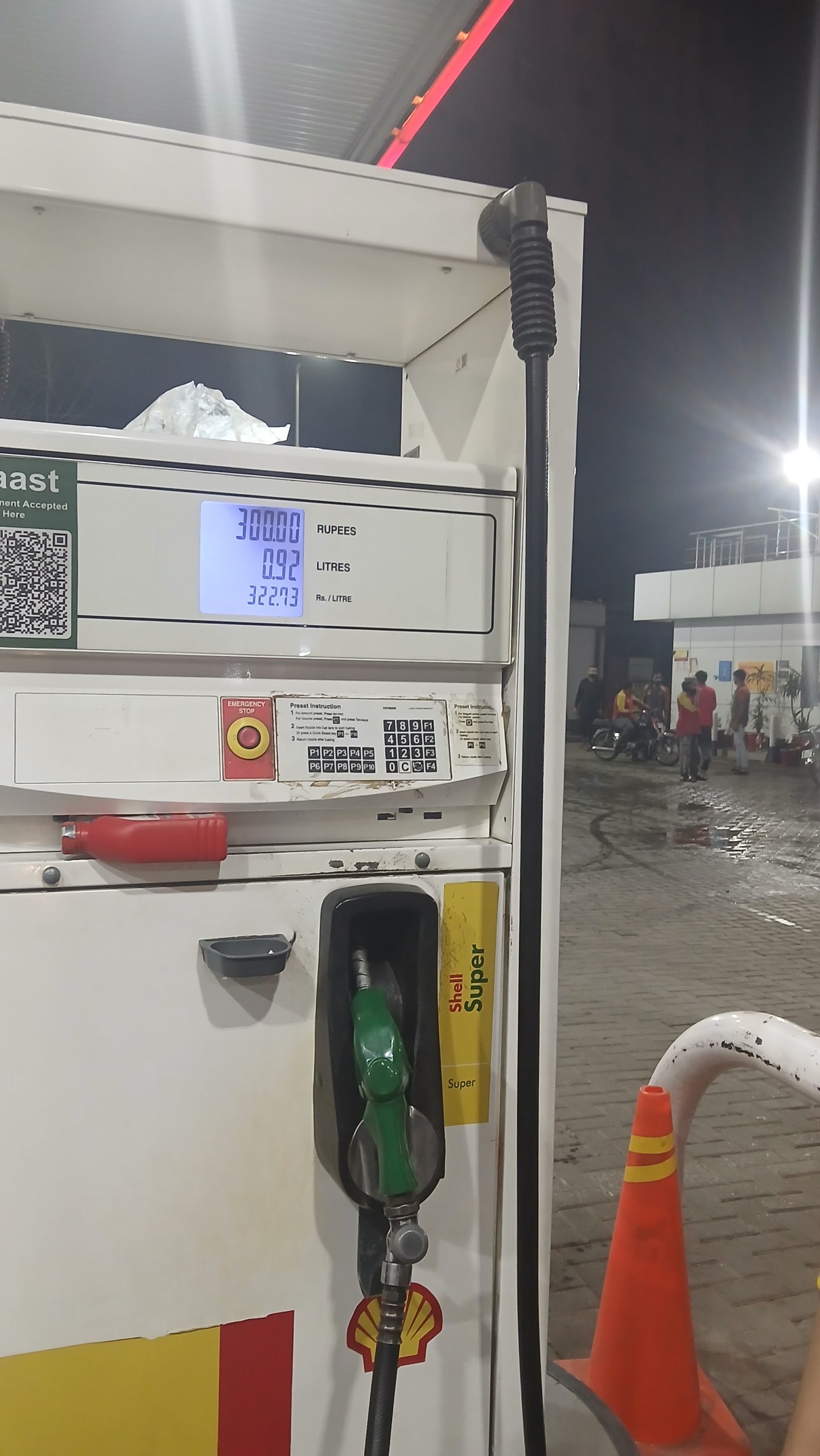
In the document, Rana Farooq Ashraf stated that the federal government has raised petrol prices by Rs55 per litre, pushing petrol to Rs321 per litre and diesel to Rs335 per litre, which has triggered a serious economic crisis across the country.
The white paper highlights that the sudden spike in fuel prices has created a “domino effect” on the national economy, increasing inflation and raising the cost of transportation, goods and services. According to the document, transport costs for essential perishable items are expected to rise by 20 to 25 percent, which will ultimately increase food prices.
Rana Farooq Ashraf said the government’s heavy reliance on the Petroleum Development Levy (PDL) to meet revenue targets has placed an unfair burden on ordinary citizens. He warned that the continuous increase in fuel prices would worsen the financial difficulties already faced by the middle and lower income groups.
The white paper also criticized the timing of the price hike, noting that the increase has come during the Eid period, when families traditionally require financial relief to manage festival expenses and travel. According to the PPP leader, the price hike has reduced the purchasing power of the middle class and increased the cost of inter-city travel for millions of people.
The document further states that the fuel price surge has also encouraged artificial inflation in markets, as hoarders and traders use the increase as justification for raising prices of clothing, food and other essential commodities.
Rana Farooq Ashraf also expressed serious concern about the impact of rising diesel prices on agriculture and industry. Diesel is widely used in tractors, tube wells and transportation of agricultural products. With diesel prices reaching Rs335 per litre, the cost of farming operations is expected to increase significantly, potentially threatening food security and raising production costs in the textile and manufacturing sectors.
Presenting the Pakistan Peoples Party’s policy stance, Rana Farooq Ashraf said the party strongly rejects transferring the burden of economic mismanagement to ordinary citizens. He emphasized that the PPP believes in a “people-first” economic approach aimed at protecting vulnerable segments of society.
The white paper proposes several policy measures, including immediate reduction in Petroleum Levy and sales tax on fuel, introduction of targeted subsidies, and stronger price monitoring mechanisms.
Rana Farooq Ashraf suggested that the government should utilize the Benazir Income Support Programme (BISP) to provide fuel-related cash assistance to motorcyclists, daily wage earners and small farmers to offset the impact of rising fuel costs.
He also called for strict enforcement of district-level price control committees to ensure that transport fares and market prices do not exceed the actual impact of the fuel price increase.
Concluding the white paper, the PPP leader warned that the current economic trajectory is unsustainable and urged the government to reverse anti-people policies. He said the true success of any government should be measured by the prosperity and well-being of its citizens rather than by fiscal targets alone.
Rana Farooq Ashraf reiterated that the Pakistan Peoples Party will continue to raise its voice for workers, farmers and marginalized communities, and demanded the introduction of a pro-poor economic roadmap to provide immediate relief to the public.