


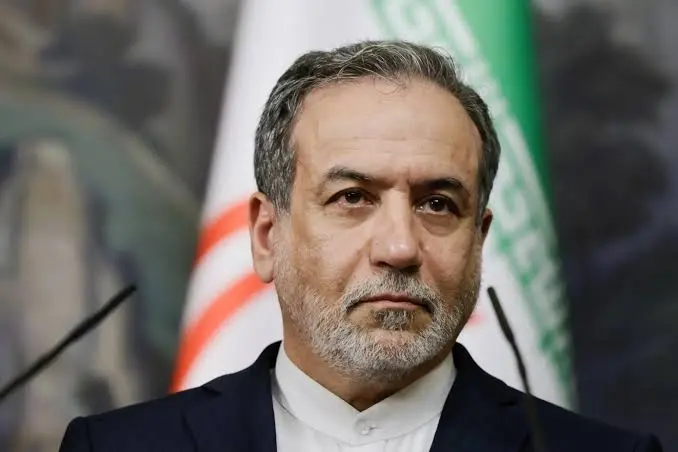
TEHRAN (Web Desk) – Iran’s Foreign Minister Abbas Araqchi announced that the strategically vital Strait of Hormuz has been reopened for commercial shipping following a ceasefire agreement linked to Lebanon.
In a post on X, Araqchi stated that the waterway would remain open to all commercial vessels for the duration of the ceasefire. However, he noted that ships must follow routes designated by Iran’s Ports and Maritime Organisation.
It remains unclear whether his statement refers to the 10-day ceasefire between Lebanon and Israel that began at midnight, or a separate two-week truce between Iran and the United States that started on April 8.
US President Donald Trump welcomed the reopening, expressing gratitude in a series of posts on Truth Social. Despite this, he confirmed that the US naval blockade targeting vessels heading to Iranian ports will remain in effect until negotiations with Tehran are fully concluded.
Trump also claimed that Israel has been barred by the US from continuing airstrikes in Lebanon, signaling a potential pause in hostilities on that front.
Additionally, he stated that Iran has either completed or is in the process of removing sea mines in the Strait, with US assistance, and pledged that Tehran would not shut down the vital shipping route again.
The Strait of Hormuz is one of the world’s most critical energy corridors, handling roughly one-fifth of global oil and liquefied natural gas shipments. Its temporary closure during the conflict, which began on February 28, triggered fears of a severe global energy crisis.
Following Iran’s announcement, oil prices dropped by around 9 percent, easing earlier market concerns. However, the International Monetary Fund has warned that prolonged instability could still push the global economy toward recession.
Trump also acknowledged support from regional allies, including Saudi Arabia, the UAE, Qatar, and Pakistan, praising Prime Minister Shehbaz Sharif and Army Chief Asim Munir for their role in ongoing diplomatic efforts.
While tentative progress has been made, uncertainty remains over planned talks in Islamabad, as logistical challenges may delay further negotiations.


